Last updated November 18, 2026







Free written scope consultation - allowances, timeline, and change-order rules on paper before a single trade is scheduled
Construction Warning Signs: A North Las Vegas Homeowner’s Reference Guide
A stair-step crack in a North Las Vegas block wall isn’t always settling. In a city built on caliche-heavy soil with expansive clay pockets, that zigzag pattern can signal active differential movement – the kind that gets worse every monsoon season if you leave it alone. Most warning-sign guides you’ll find were written for wet climates, so they tell you to worry about things that barely happen here and stay quiet about the ones that do. This reference covers the cracks, stains, and structural signals that actually matter in North Las Vegas soil and heat, plus how to sort a “monitor it” from a “call someone today.”
Quick Answer
The construction warning signs that matter most in North Las Vegas are stair-step cracks in block walls, efflorescence (white salt staining) on masonry, ponding or seam separation on flat roofs, and ceiling stains near hot attics where HVAC ducts fail. Hairline stucco cracks from thermal expansion are usually cosmetic; wide, diagonal, or widening cracks that track through block are the ones worth a professional look.
Styles & brands we work with
- Kitchen remodeling
- Bathroom remodeling
- Home additions & ADU
- Roofing
- Windows & doors
- Driveway & pavers
- Fence
Table of Contents
- How to Read Stucco Cracks: Hairline vs. Structural
- Efflorescence on Block Walls: What It Signals
- Warning Signs on Flat and Low-Slope Roofs
- Interior Signs of HVAC Duct Failure in Hot Attics
- Soil, Caliche, and Why North Las Vegas Moves Differently
- What to Do When You Spot a Warning Sign: The Triage Framework
- Common Mistakes to Avoid
- When to Call a Professional
How to Read Stucco Cracks: Hairline vs. Structural
Stucco is the skin of nearly every home in North Las Vegas, and it cracks. That’s normal. What separates a cosmetic crack from a structural one comes down to width, direction, and whether it’s moving.
Hairline cracks under about 1/16 inch, the width of a credit card edge, are usually thermal expansion. Desert temperature swings – 100°F afternoons dropping to the 60s overnight in spring – push stucco and the block behind it at different rates. Those fine spiderweb cracks near corners and window frames are expected and rarely mean anything.
The cracks worth your attention share a few traits:
- Stair-step pattern. A crack that walks diagonally through mortar joints like stairs usually follows block movement, not the stucco itself. In North Las Vegas, that often points to differential settlement.
- Width over 1/8 inch. Anything you can slide a pencil into is structural until proven otherwise.
- Vertical cracks at corners. A clean vertical crack running down from a window or door corner can signal a hinge-point failure in the foundation.
- Doors and windows that stick. If a door that closed fine in January drags by July, the frame is racking. That’s a foundation signal, not a hardware problem.
Here’s the trick most guides miss: photograph the crack with a coin or a ruler taped beside it, date the photo, and check it again in 60 days. A crack that’s identical in both photos is likely stable. One that’s grown is a call-the-professional situation. In our experience across North Las Vegas neighborhoods, that simple photo test tells you more than a contractor’s eyeball ever could in a five-minute walkthrough.
Efflorescence on Block Walls and What It Signals About Water Intrusion
That chalky white powder on your block wall isn’t dirt and it isn’t salt from the air. Efflorescence is minerals carried to the surface by water moving through the masonry and evaporating. In a climate that supposedly has no moisture problems, its appearance is a genuine red flag – it means water is getting into the block and finding its way out.
In North Las Vegas, efflorescence typically comes from four places:
- Irrigation overspray. Sprinklers hitting the wall every morning is the number one cause. Check your timer and head placement before you panic.
- Roof or drainage runoff. Water shedding off a flat roof or a poorly graded yard and soaking into the base of the wall.
- Plumbing leaks inside the wall. A slow supply or drain leak can show up as efflorescence on the outer face long before it shows up inside.
- Rising moisture. Block sitting in wet soil pulls water up from the ground, which usually points to a grading or drainage problem.
The important distinction is between efflorescence and spalling. Efflorescence brushes off. Spalling is where the block face itself is flaking and popping off because the water froze (rare here) or the salt crystallization pressure has weakened the masonry (much more common). If the block face is crumbling, you’ve moved past cosmetic.
Also watch for the dark stain that comes before the white powder – a wet patch creeping up the wall. That’s moisture actively wicking, and it’s the earliest signal you’ll get. Catch it early and you’re looking at a drainage fix. Miss it for a few years and you’re looking at masonry repair. North Las Vegas block walls along property lines are especially prone because they’re often left with no weep path and no drainage behind them.
Warning Signs on Flat and Low-Slope Roofs
Much of the new construction in North Las Vegas uses flat or low-slope roofs, and those roofs fail differently than pitched asphalt shingles. They don’t lose granules into your gutter – they pool, blister, and separate. Homeowners miss these because there’s no obvious “missing shingle” moment.
What to look for on your flat or low-slope roof:
- Ponding. Water that sits for more than 48 hours after a storm. Some ponding is normal on a flat roof; standing water that refuses to drain points to a slope or drain problem and will eventually find a seam.
- Blistering. Bubbles or soft spots in the membrane. In North Las Vegas heat, the sun bakes moisture trapped under the roof surface until it blisters the top layer. Those blisters split and become leaks.
- Seam separation. On a built-up or single-ply roof, the seams are the failure point. Run your hand along a seam – if the edge is lifting or you can see daylight, water is already getting under it.
- Ponding rings or “bathtub” stains. A dark outline where water has repeatedly pooled and dried. Those rings mark the future leak.
- Interior ceiling stains in a straight line. Straight-line ceiling stains usually track a seam above.
The desert twist: our intense UV degrades roofing membranes faster than the same material in a mild climate, and the daily thermal cycle of a 40°F to 60°F swing in spring works seams loose. If your roof is over about 15 years old in North Las Vegas, an annual inspection before the monsoon season (roughly July) is cheap insurance. This is where working with a general contractor who can tie a roof issue back to the whole structure pays off – a General Contractor in North Las Vegas can look at the roof and the walls and the grading as one system instead of three separate fixes.
Interior Signs of HVAC Duct Failure in Hot Attics
Your ducts run through an attic that hits 140°F to 160°F on a July afternoon in North Las Vegas. That’s harsh on ductwork, and when a duct fails you often see the symptom somewhere else entirely.
Ceiling stains that homeowners blame on the roof are frequently HVAC condensation. Here’s why: cold refrigerant or condensate lines in a hot attic sweat, and if a drain pan overflows or a line insulation fails, water drips down onto the drywall ceiling. The stain looks exactly like a roof leak. Before you call a roofer, look for these clues:
- Uneven room temperatures. One room runs 6 to 10 degrees warmer than the rest of the house. That’s a duct problem, not a thermostat problem.
- High electric bills with no change in usage. A torn or disconnected duct in the attic is pushing cooled air into the attic instead of your living room.
- Dust blowing from a vent. A cracked or poorly sealed duct pulls attic insulation and dust into the supply.
- A musty smell when the AC kicks on. Condensate soaking into duct insulation or ceiling drywall.
- Condensation or water near the air handler. A clogged condensate drain line overflow can stain the ceiling below.
The tell that distinguishes HVAC from roofing: HVAC stains often grow during dry weather when the AC runs hard, while roof leak stains grow after rain. If your ceiling stain appears in June with no storm in sight, look up at the ducts before you look at the shingles. In our experience, this is one of the most commonly misdiagnosed warning signs in North Las Vegas, and it sends homeowners into a roof replacement they didn’t need.
Soil, Caliche, and Why North Las Vegas Homes Move Differently
Most foundation advice assumes soil that looks like a sponge. North Las Vegas soil behaves like a layered puzzle. Underneath the surface you’ll find caliche – a cemented layer of calcium carbonate that can be nearly as hard as concrete – sitting alongside pockets of expansive clay that swell when wet and shrink when dry.
That combination is why a home here can move in ways a homeowner from Ohio or Washington never expects. The full dynamic:
- Clay pockets swell during monsoon season and push against the foundation on one side only.
- The same pockets shrink hard in summer and pull support away.
- Caliche ledge underneath means water can’t drain evenly, so it pools in one spot and runs off another.
- The result is differential movement – one part of the foundation drops or lifts more than another. That’s what cracks stucco, racks door frames, and pops masonry joints.
This is why the Sawyer Remodel North Las Vegas home resource we point homeowners to treats soil conditions as the starting point for any structural concern, not an afterthought. It’s also why the cracks you see in a 1990s-era North Las Vegas home may look different from what a 2010s build shows. Newer construction on a post-tension slab can mask movement for years because the slab is designed to flex; the cracks show up in the finishes first.
The practical takeaway: the wet-dry cycle here is a seasonal one, and warning signs often appear or worsen in late summer, right after monsoon. Check your home’s exterior in August and again in January. If the same crack looks worse after the wet season, you have your answer.
What to Do When You Spot a Warning Sign: The Triage Framework
Not every warning sign is a crisis, and panicking into a same-day call for a hairline stucco crack wastes everyone’s time. Here’s how we sort them.
Tier 1 – Monitor it. Cosmetic, stable, and harmless for now:
- Hairline cracks under 1/16 inch in stucco
- Efflorescence you can brush off, especially if you found the irrigation overspray
- Minor ponding that drains within a day
- A ceiling stain that hasn’t grown in weeks
Action: photograph with a ruler or coin, date the photo, and re-check in 60 days. Fix the obvious source (sprinkler aim, drainage) and see if it returns.
Tier 2 – Get a quote this month. Signs that need a professional look but not an emergency:
- Cracks from 1/16 to 1/8 inch, or any crack that has grown since your last photo
- Efflorescence that stays after you’ve fixed the water source
- Blistered or seam-separated roofing membrane
- One room running noticeably warmer than the rest
- Spalling block faces
Action: book a free estimate now, while you have time to compare options. This is the tier where the Bathroom Remodeling in North Las Vegas and broader renovation work we quote most often overlaps with structural repairs – the sooner you know, the more choices you have.
Tier 3 – Call someone today. Active problems that won’t wait:
- A crack wider than 1/8 inch, or one you can see through to daylight
- Water actively coming in during a storm
- A ceiling that’s sagging or bulging
- Doors that suddenly won’t close at all
- Any wall or foundation sign accompanied by a gas smell – leave the house and call 911 first
Action: call a professional immediately. Some of these cross into Kitchen Remodeling in North Las Vegas territory only if the damage has spread, but the priority is stopping the water or the movement.
Common Mistakes to Avoid
- Caulking over a structural crack. Filling a stair-step crack with caulk hides the evidence a professional needs and does nothing about the movement underneath. Photograph it, don’t bury it.
- Assuming “desert means no moisture.” Every efflorescence and ceiling stain here comes from water – irrigation, monsoon, plumbing, or condensate. Ignoring moisture signs because it’s dry here is the single most expensive assumption a North Las Vegas homeowner makes.
- Blaming the roof for every ceiling stain. A stain that grows in dry June heat is almost always HVAC condensate, not a shingle or membrane problem. Look at the ducts before you contract a roof replacement.
- Waiting out the monsoon to “see if it gets worse.” The wet season is exactly when movement and leaks show themselves. That’s when you want the inspection, not after. Booking in April and May beats booking in August.
- Hiring the first truck that answers. Make sure the contractor is licensed and insured as Nevada requires, and get the price in writing before any work starts. The general contractor worth hiring will put a written quote in your hands, not a verbal “somewhere around.”
- Ignoring the door that sticks. A door that drags in summer and frees in winter is your house telling you the foundation is moving. Nobody mentions it in most guides, and it’s one of the most reliable early signals here.
- Mistaking caliche for stable ground. Hard, rock-like soil feels reassuring. But caliche underneath means water drains unevenly, and uneven drainage is exactly what drives differential settlement.
See the difference
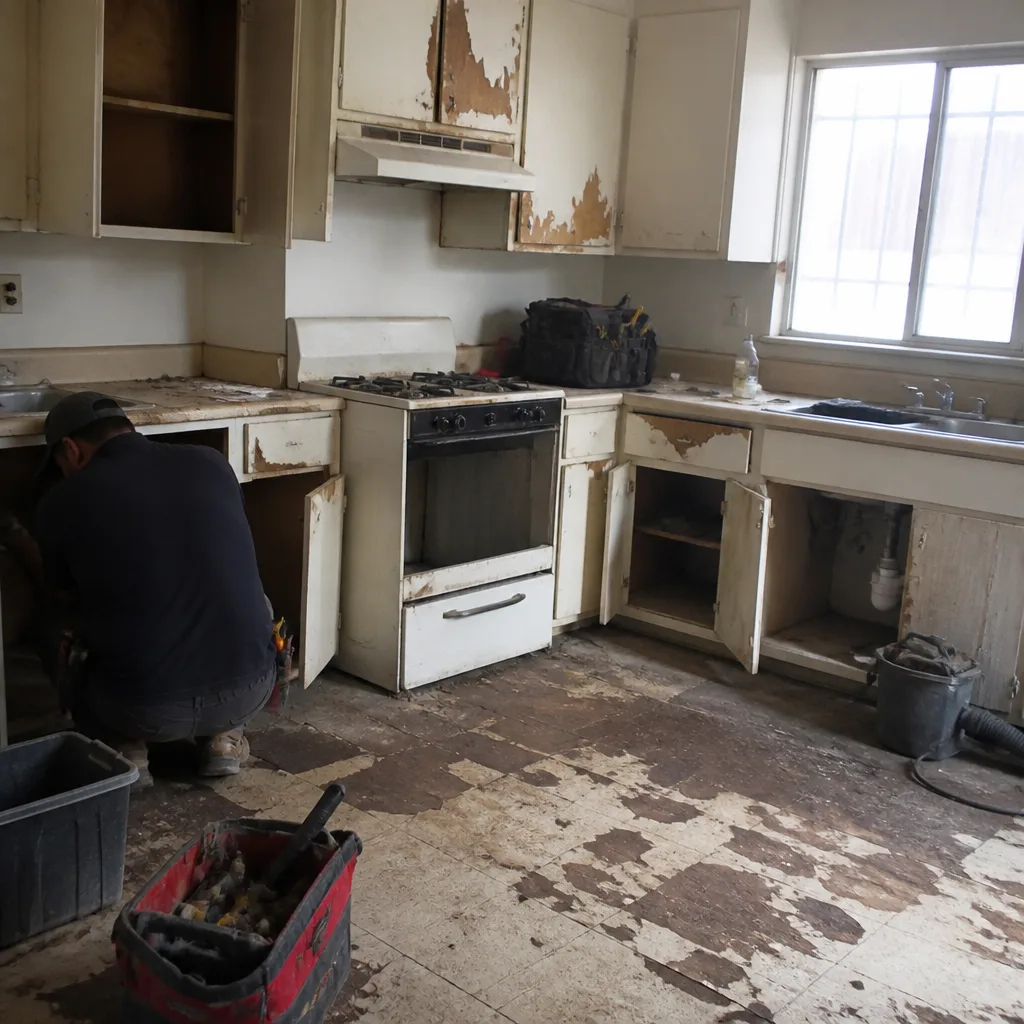 Before
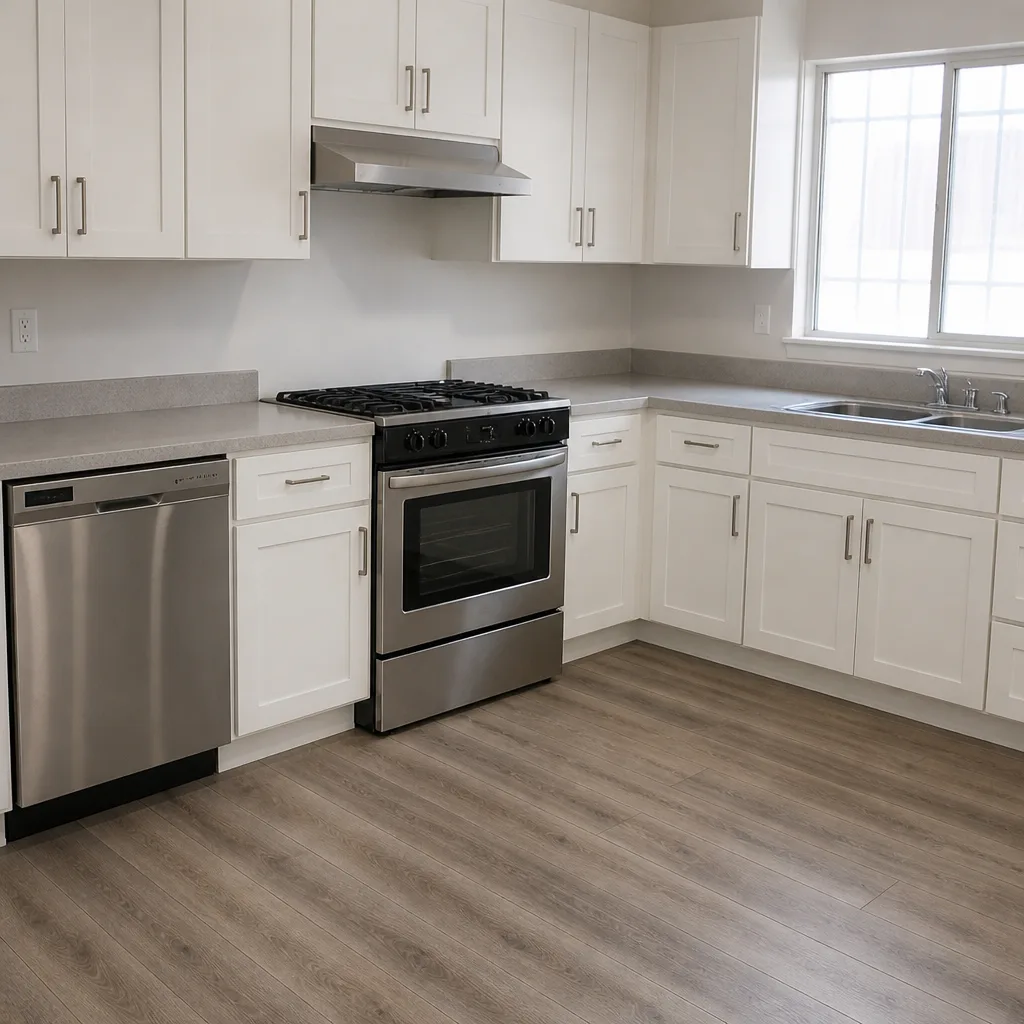 After
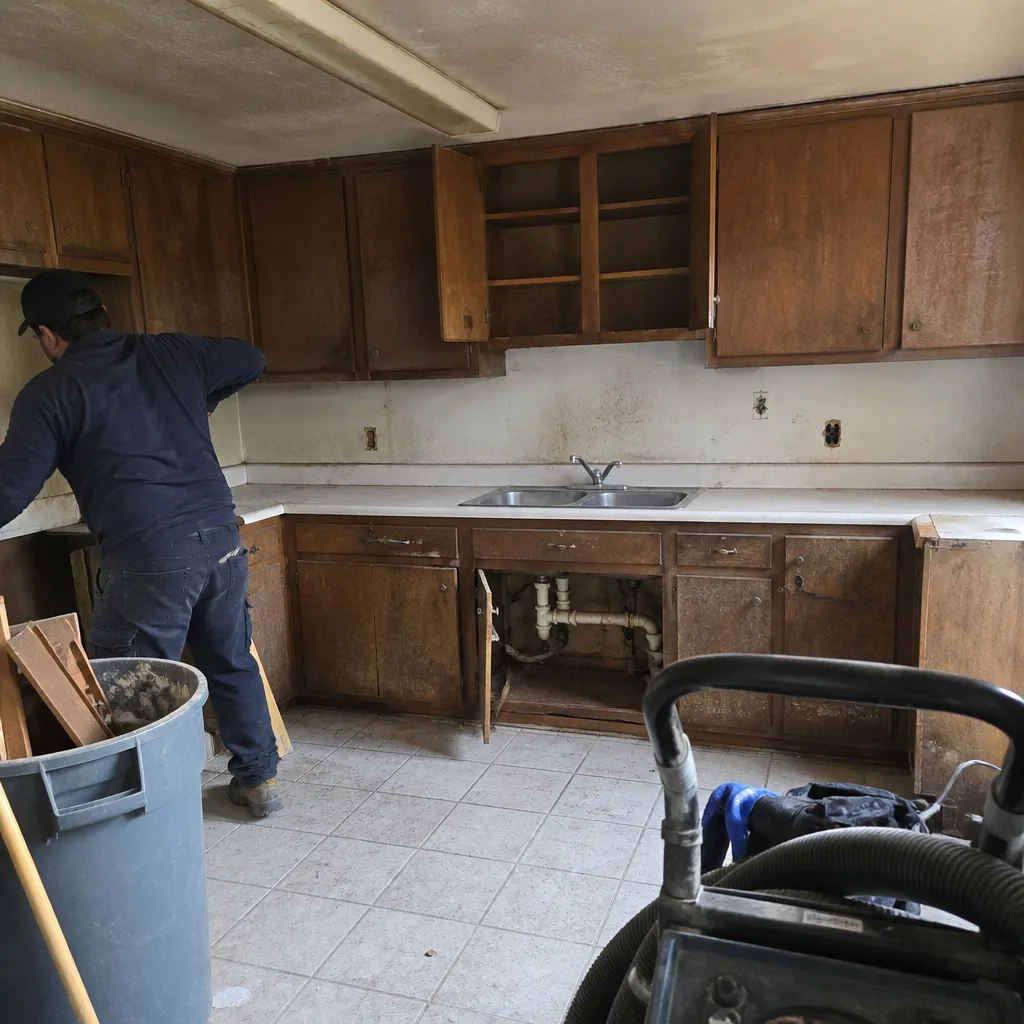 Before
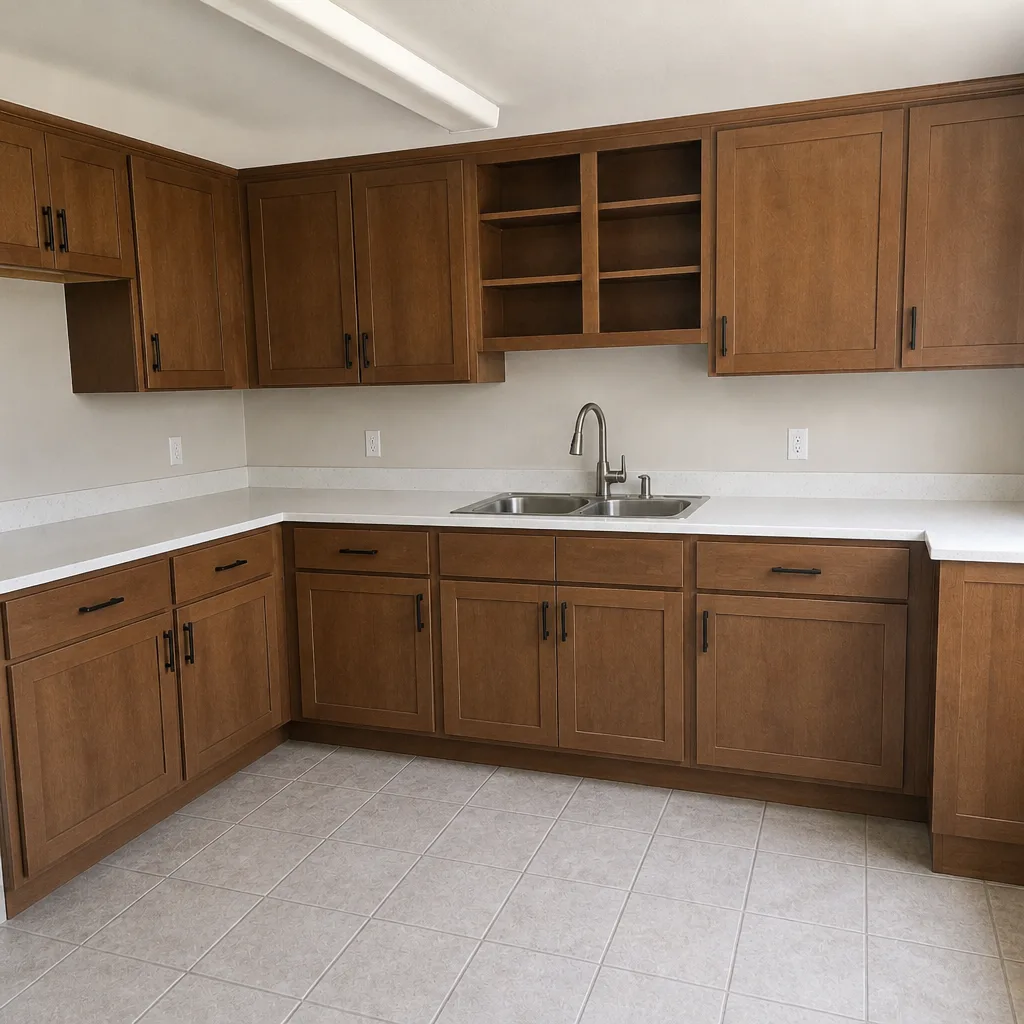 After
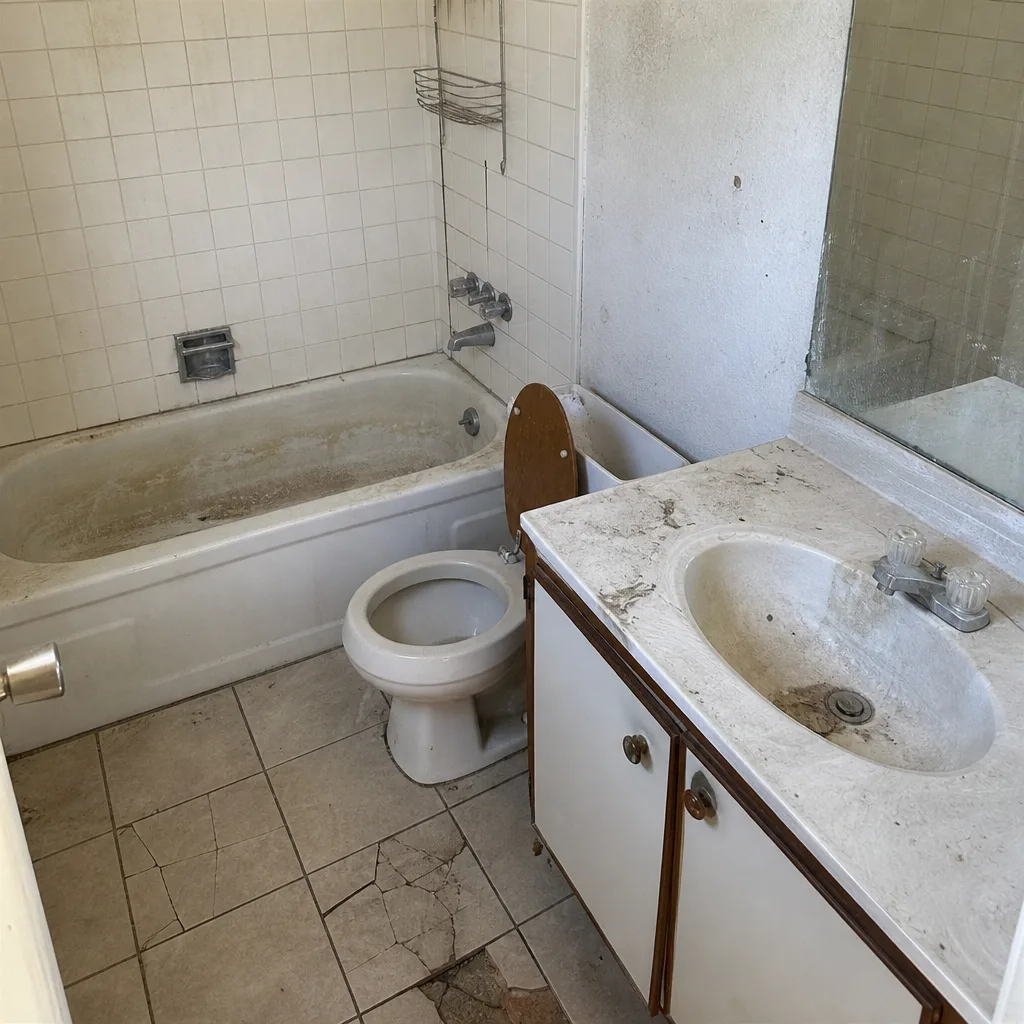 Before
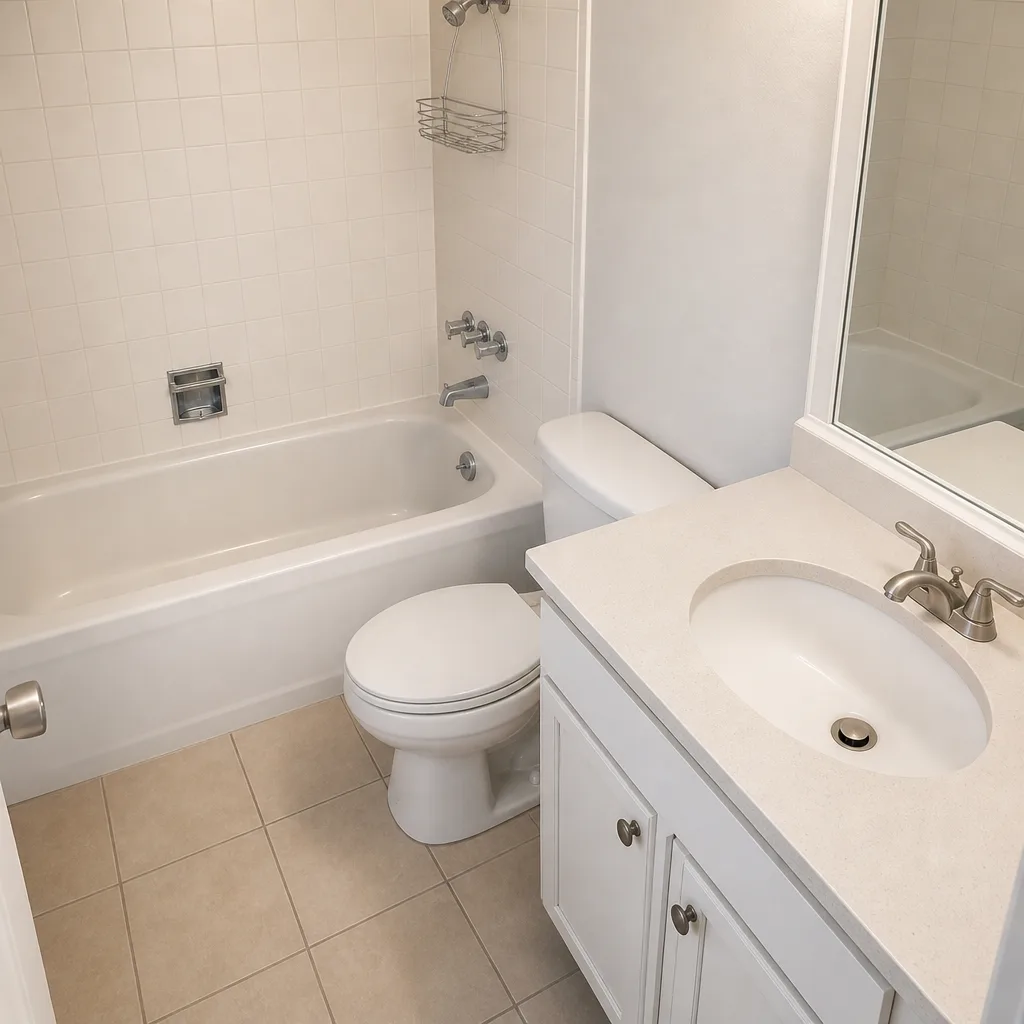 After
When to Call a Professional
Call a professional when a crack is wider than 1/8 inch, is actively growing, or steps diagonally through block. Call when efflorescence returns after you’ve fixed the water source, when a flat-roof seam is lifting, when a ceiling stain or sag appears, or when doors and windows stop closing the way they used to. Also call when water is entering during a storm – that’s a today call, not a this-month call. And always call when you smell gas near a wall or foundation sign, because that’s an emergency. For neighbors in Aliante, Eldorado, and the older tracts near downtown, the wet-dry seasonal cycle is the single best calendar for inspections. Sawyer Remodel North Las Vegas offers free estimates in North Las Vegas – call (844) 834-9656 to book one and get a written scope before you spend a dollar.
Frequently Asked Questions

No, but stair-step cracks deserve a professional look because in North Las Vegas they usually follow block movement rather than stucco expansion. A stair-step pattern that’s widened since your last photo or runs with a sticking door points to differential settlement. Get a free estimate to have it checked – it’s the cheapest way to know.
That’s efflorescence, and it means water is moving through the masonry and evaporating minerals onto the surface. Common sources in North Las Vegas are irrigation overspray hitting the wall, roof runoff, or a slow leak inside the wall. Fix the water source first, then get quotes if it returns.
Check whether the stain grows after rain or during dry hot weather. Roof stains grow after a storm; HVAC condensation stains grow in the middle of a dry summer when the AC is running hard. In North Las Vegas, hot attics cause duct failures and condensate overflows that look exactly like roof leaks, so look at the ducts first.
Cost varies widely by scope, so avoid any company that quotes a number before inspecting. What we insist on is a written price before work starts, so the number on the invoice is the number you approved. Call (844) 834-9656 for a free estimate – you’ll get the price in writing.
Not with us. Every project starts with a written price in your hands before a tool is picked up, and The Relay Visibility Guarantee includes live arrival time tracking and before-and-after photo updates. If it’s not done right within the 365-Day Done Right Promise, we make it right. Call (844) 834-9656 for a free written estimate.
Structural repairs, roof replacements, and anything that touches the load path generally require a permit in North Las Vegas. The local pro you work with is licensed and insured as their state requires and pulls the permits before the work. Cosmetic patching usually doesn’t, but confirm before you start – an unpermitted repair can complicate a future sale. Call (844) 834-9656 to talk through your project.
The Bottom Line
North Las Vegas homes don’t fail the way homes in wetter climates do. The warning signs that matter here are stair-step cracks from caliche and clay movement, efflorescence telling you water is moving through masonry, flat-roof ponding and seam separation under punishing UV, and ceiling stains that usually trace to hot-attic duct failures rather than the roof. The habit that protects your home is simple: photograph, date, re-check in 60 days, and act by tier. Monitor the hairline cracks, get a written quote this month for anything growing, and call today for anything active. Sawyer Remodel North Las Vegas answers the phone with a live person, gives you the price before the work, and backs the finish with the 365-Day Done Right Promise. Call (844) 834-9656 for a free estimate – you’ll get the number in writing before a single tool comes out.
Written by the team at Sawyer Remodel North Las Vegas.