Last updated November 18, 2026








Free written scope consultation - allowances, timeline, and change-order rules on paper before a single trade is scheduled
How Long Does Bathroom Remodeling Take? Timelines and What to Expect
A contractor who says “five days” for a full bathroom remodel is telling you how many days they’ll be physically on-site. They’re not telling you about the three-week tile order, the permit window, or the two-day inspection hold in between. That gap between trade time and calendar time is where almost every remodeling disappointment gets born. Homeowners in North Las Vegas hear “a week” and block out a week of disruption, then get blindsided when the project stretches into a month. This guide walks the whole arc from first call to final walkthrough so you know what’s actually happening on every one of those days, and what to ask before you sign anything.
Quick Answer
A standard full bathroom remodel takes 3 to 5 weeks on the calendar, even though the actual trade work is only 8 to 12 working days. A cosmetic refresh (vanity, fixtures, paint) runs 1 to 2 weeks. A layout change that moves plumbing or walls pushes the timeline to 6 to 8 weeks because plan review and inspections add mandatory hold time.
Styles & brands we work with
- Kitchen remodeling
- Bathroom remodeling
- Home additions & ADU
- Roofing
- Windows & doors
- Driveway & pavers
- Fence
Table of Contents
- Trade Time vs. Calendar Time: The Difference That Trips Everyone Up
- Phase-by-Phase Breakdown With Realistic Day Counts
- How Clark County Inspections Add Mandatory Hold Time
- The Material Decisions That Must Be Made Before Demo Day
- What an Honest Project Schedule Looks Like
- What a Bathroom Remodel Costs in North Las Vegas
- What Actually Delays a Bathroom Remodel
- Common Mistakes to Avoid
Trade Time vs. Calendar Time: The Difference That Trips Everyone Up
Trade time is the number of hours a plumber, tiler, or electrician spends working in your bathroom. Calendar time is the number of days between when demo starts and when you can shower in your own house again. Those two numbers are never the same, and confusing them is the single most common reason people feel lied to by the end of a project.
Here’s the honest math. A tiler might spend three days setting a 5-by-8 bathroom floor and shower surround. But before the tile goes down, the cement board has to cure and the waterproofing membrane has to dry. That’s 24 to 48 hours where nobody is in the room. The plumber and electrician do their rough-in work on separate visits because the inspection has to happen between them. The vanity you ordered shows up in 15 business days, not 15 minutes.
When a North Las Vegas contractor quotes you a timeline, ask them one question: “Is that trade days or calendar days?” A pro who runs tight projects will answer without hesitation and hand you a schedule that shows the gaps. A contractor who says “we’ll be done in a week” is either talking about trade days and hoping you don’t notice, or hasn’t done enough of these to know better.
In our experience, the projects that run on schedule are the ones where the homeowner understood the calendar from day one. They planned to be without their main bathroom for 30 days, not 7. They booked the tile order before demo started. They knew the inspection window. When you see the full calendar up front, none of the holds feel like a surprise.
Phase-by-Phase Breakdown With Realistic Day Counts
Every bathroom remodel moves through the same sequence. What changes is how long each phase takes based on the scope, the material lead times, and how fast decisions get made. Here’s what a full gut remodel of a standard hall bath (roughly 40 to 60 square feet) looks like across the calendar.
- Demo and haul-away (1 to 2 days). Tear-out of tile, vanity, tub or shower, and drywall moves fast. The slowdown is disposal and protecting the rest of the house, plus any surprise rot behind the old tile.
- Rough plumbing and electrical (2 to 3 days, plus inspection). New drain lines, supply lines, and a dedicated GFCI circuit for the vanity and fan. The inspection has to happen before walls close.
- Framing and blocking (1 day). Adding support for a wall-hung vanity or grab bars if the layout calls for it. This is also when a recessed medicine cabinet niche gets framed.
- Insulation and drywall (2 to 3 days). Moisture-resistant drywall goes up, gets taped, mudded, and sanded. Each coat has to dry, which is why this phase rarely compresses.
- Waterproofing (1 to 2 days, plus cure time). A roll-on membrane or a bonded sheet system like Schluter Kerdi goes over the cement board in the shower. This is the step that stops water from reaching your framing, and it cannot be rushed.
- Tile setting (3 to 5 days). Floor first, then walls, then grout. Large-format tile and intricate patterns add a day or two. Mosaic shower floors take longer because there’s more cutting.
- Fixture and finish install (2 to 3 days). Vanity, sink, faucet, toilet, shower trim, mirror, lighting, and towel bars. Higher-end fixtures from Grohe or Kohler sometimes need a specific rough-in valve, which is why plumbing selection matters so early.
- Punch list and final inspection (1 to 3 days). Touching up paint, sealing grout, cleaning, and the final inspector walk if the project required one.
That sequence totals 8 to 12 working days of active trade time. But tile dry-time, ordering windows, and inspection holds stretch it into 3 to 5 calendar weeks. That’s not padding. That’s the actual calendar of a real project. A bathroom remodeling in North Las Vegas that follows this sequence and communicates every phase is what a good project looks like.
How Clark County Inspections Add Mandatory Hold Time
If your remodel moves plumbing, electrical, or structural walls, you need permits pulled from Clark County before work starts. Permits are not a formality. They’re a legally required review of the plans, and the inspection is a mandatory stop in the sequence. You cannot close up a wall until the rough plumbing and electrical pass.
Here’s how inspection time stacks up against the calendar:
- Permit application and plan review: typically 5 to 15 business days depending on project complexity and current county backlog.
- Rough-in inspection: scheduled after plumbing and electrical rough, and requires 24 to 48 hours of scheduling lead time.
- Final inspection: scheduled after finish work and before you take possession of the finished room.
The critical thing: a good contractor doesn’t pad the schedule because inspections are scary. They build the inspection window in from the start, schedule the rough inspection as soon as the plumbing schedule allows, and keep the work moving on other parts of the room while they wait. A contractor who “forgets” to pull a permit and skips inspection to save time is handing you a code problem that gets discovered later, often at resale, when a home inspector in North Las Vegas notices the unpermitted work.
We hear stories about contractors who promise “we don’t need a permit for this, it’ll be faster.” Sometimes that’s true for a pure surface refresh. But if the plumber is moving a drain or the electrician is running a new circuit, the permit is not optional. Any licensed professional will tell you the same. If a contractor tries to talk you out of one, that’s a signal to walk.
The Material Decisions That Must Be Made Before Demo Day
Late material decisions push every phase that depends on them. This is the single biggest variable in any bathroom remodel timeline. Every fixture you haven’t chosen is a phase that can’t start on time.
The list of decisions that must be locked in before demo:
- Tile – floor, wall, shower, and accent. Order it before demo, because it takes time to arrive.
- Vanity and countertop – size, style, and material. A KraftMaid or Wellborn vanity has a lead time. Cambria or Caesarstone counters are cut to order.
- Faucet and shower trim – this needs to be decided before rough plumbing because the rough-in valve has to match. A Grohe thermostatic valve and a basic builder valve require different roughing.
- Toilet – standard or comfort-height, and rough-in distance (usually 12 inches, but not always).
- Lighting and exhaust fan – the fan needs a properly sized circuit and duct.
- Shower glass and door – a custom shower enclosure takes 2 to 3 weeks to fabricate.
Tile lead times are the most common culprit. A homeowner falls in love with a hand-painted tile, orders it, and finds out it ships in three weeks. That’s three weeks of demo sitting idle if the order wasn’t placed early. In North Las Vegas, tile selected from a local showroom can arrive faster than a special order, but if you’re custom-ordering a pattern or a specific trim, that clock starts the day you order, not the day it’s installed.
The honest rule: if you haven’t selected every material on this list before demo, the schedule is already at risk. A written schedule should list each item with an order-date deadline so nobody’s guessing.
What an Honest Project Schedule Looks Like
A written project schedule is a document that maps out every phase by calendar date, not just a sequence. It should show trade days, material delivery dates, inspection windows, and the final walkthrough date. Ask for one before you sign anything.
Here’s what a real schedule contains:
- A calendar with actual dates. “Demo August 5 to August 6. Rough plumbing August 7 to August 9. Rough inspection August 12.” Not “Week 1: demo.”
- Material order deadlines. Each fixture with the date it must be ordered to hit its install day.
- Inspection windows. Where the county hold falls and how long it’s expected to take.
- Decision deadlines. The latest date you can change a tile selection without delaying the schedule.
- A contingency line. A good schedule includes a note about what happens if the framing reveals unexpected rot or a plumbing drain doesn’t align with the new layout.
That document is your leverage. When a phase slips, you can point to the schedule and ask what changed. When a material arrives late, the schedule shows who was responsible. A contractor running projects as a General Contractor in North Las Vegas should have this document ready to hand over, not offer to cobble one together after you ask.
The Relay Visibility Guarantee exists to remove the guesswork here. Every project gets a written price before work starts, live arrival-time tracking so you know exactly when a technician is coming, and photo updates before and after. When you know who is coming, when they arrive, and what it costs before the first tool is picked up, the staircase of a project schedule stops being a mystery.
What a Bathroom Remodel Costs in North Las Vegas
Cost and timeline are linked. A bigger scope means more phases, more materials, and longer calendar time. Here’s the ballpark for a North Las Vegas bathroom remodel in 2026:
- Cosmetic refresh (paint, vanity, faucet, mirror, light): $5,000 to $12,000, 1 to 2 weeks of calendar time.
- Mid-range full remodel (same layout, new tile, shower, vanity, fixtures): $18,000 to $32,000, 3 to 5 weeks.
- Layout-changing remodel (moving plumbing, reworking walls, permit required): $35,000 to $55,000, 6 to 8 weeks.
- High-end custom (custom cabinetry, stone countertops, frameless glass, tile layout): $55,000 and up, 8 weeks or more.
North Las Vegas labor rates run slightly below the Las Vegas Strip corridor but above the national average, largely because of Clark County permit fees and demand. Material costs vary widely depending on the brands you choose. Tile sourced from a local showroom tends to land in a tighter range than custom imports. Vanity cabinetry from a known line like KraftMaid has predictable pricing; a fully custom cabinet shop does not.
The number that matters most is the written one. No-hassle upfront pricing means you approve a line-item quote before work starts, and the number on the invoice is the number you approved. If a contractor won’t put the price in writing, the schedule isn’t the only thing you should be skeptical about.
What Actually Delays a Bathroom Remodel
Most delays fall into a handful of categories. Knowing them helps you spot a problem before it costs you a week.
- Late material decisions. Homeowners change their mind about tile after demo starts. Every change restarts the clock on that phase.
- Custom fabrication windows. Shower glass, custom vanity, and imported tile all have longer lead times than stock items.
- Hidden damage. Rot behind tile, a failed pan liner, or a drain that doesn’t match the new layout. This is the leading cause of schedule rework, especially in older construction.
- Inspection backlog. Clark County can have weeks of scheduling delay around peak construction season, usually spring. A good schedule builds a buffer for it.
- Scope creep. “While you’re in there, can you also…” adds phases. Some are worth it; some push the timeline into the next month.
- Communication gaps. Nobody tells the tile setter the shower valve arrived, or the plumber scheduled a different day than the tiler expected. This is where a company that promises a live arrival time and photo updates earns its keep.
We’ve seen projects fall behind because a homeowner assumed the tile was a stock item. It wasn’t. The project sat for eleven days waiting on freight. That’s the kind of delay that never shows up in a trade-day quote, and it’s the whole reason calendar-based schedules matter.
Common Mistakes to Avoid
- Accepting a “trade-day” quote at face value. When a contractor says five days, ask whether that includes material lead time, inspections, and drying gaps. A proper answer will change the number.
- Not ordering material before demo. Tile, vanity, and shower glass should be on order or in hand before a single wall comes down. Otherwise, demo day is the start of a waiting game.
- Choosing tile you can’t get. A beautiful custom tile pattern with a six-week lead time will slow the whole project down. Buy what’s actually in stock or accept the wait.
- Letting a contractor skip the permit. Unpermitted plumbing and electrical work in North Las Vegas gets discovered at resale. That’s a cost and a delay rolled into one.
- Making selections mid-project. Every decision made after demo starts risks pushing the next phase. Lock in every material before work begins.
- Skipping the written schedule. A verbal timeline is not a schedule. Ask for it on paper or find someone who will give you one.
- Choosing a bathroom-only contractor for a whole-home project. Bathroom work is its own discipline. If you’re planning a broader renovation, you need a home remodeling and general contracting team that can sequence the whole scope.
See the difference
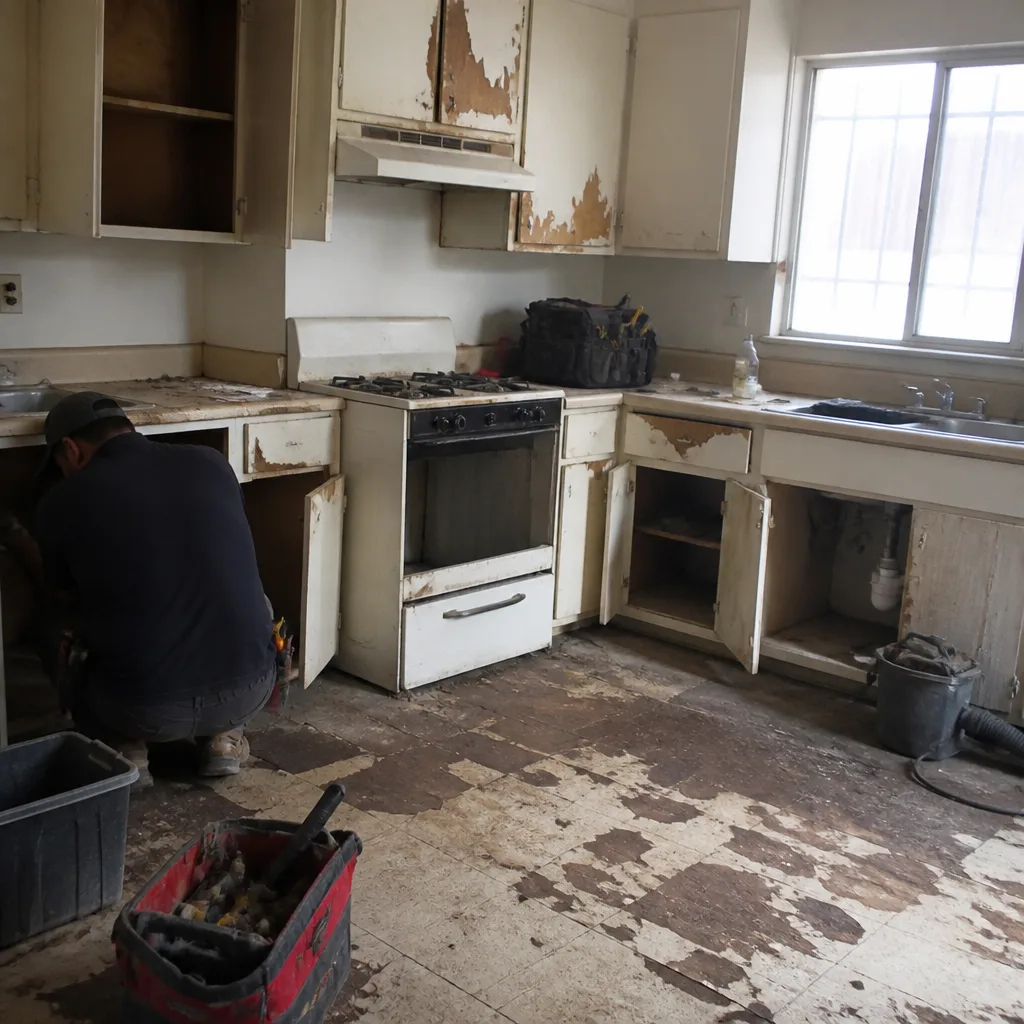 Before
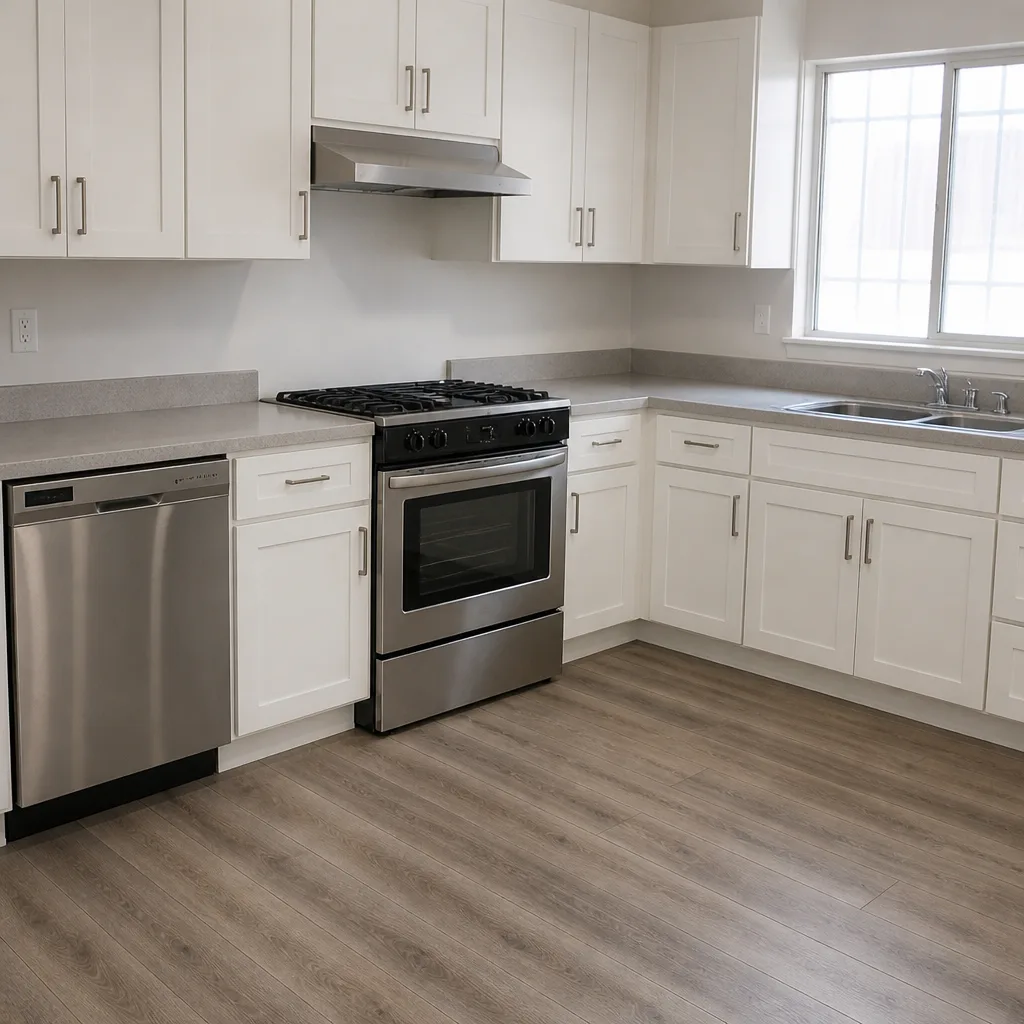 After
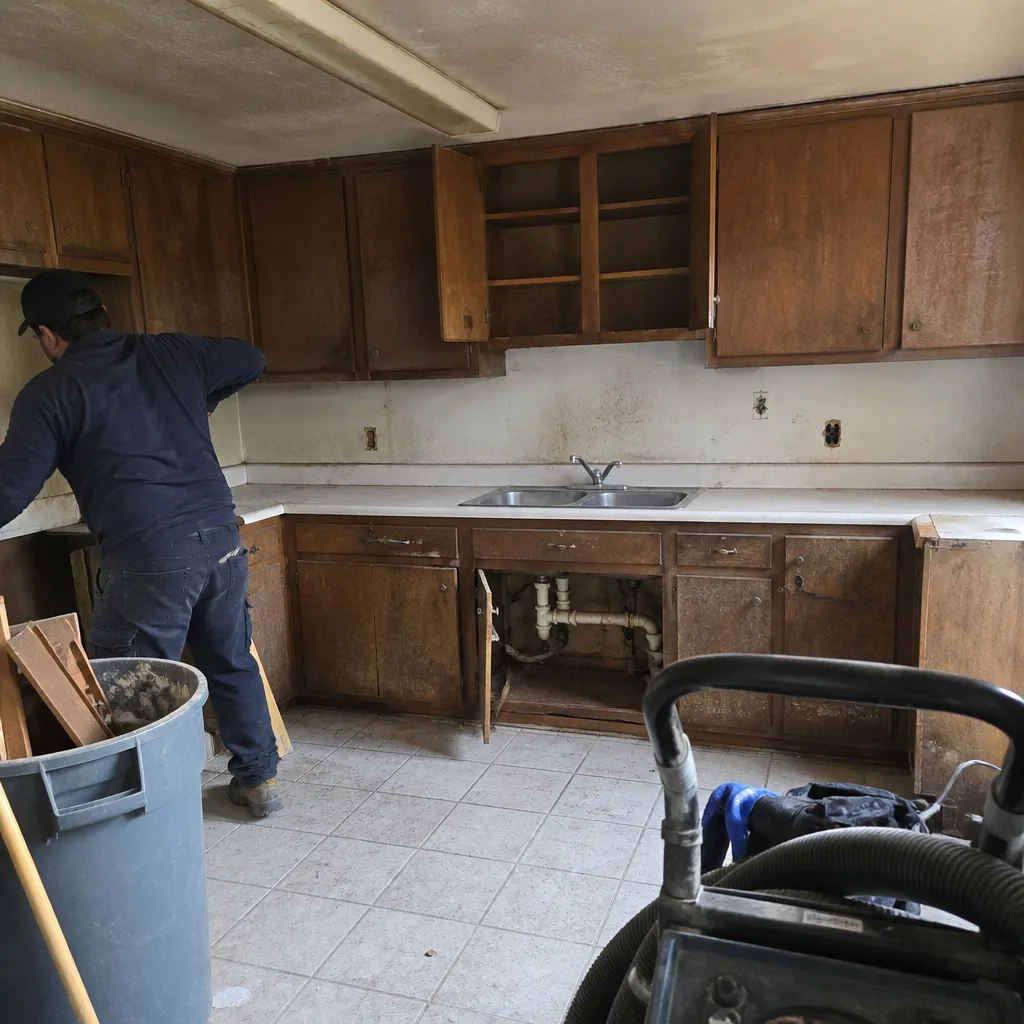 Before
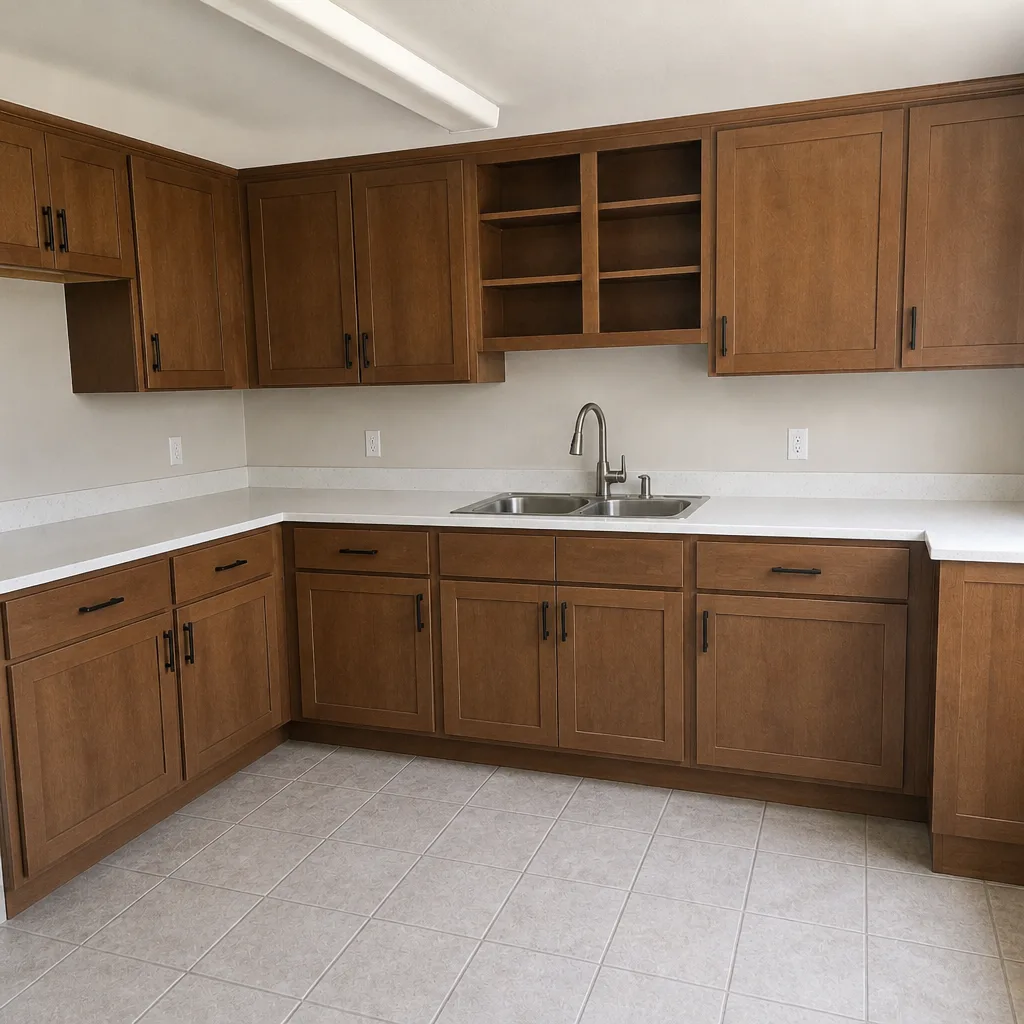 After
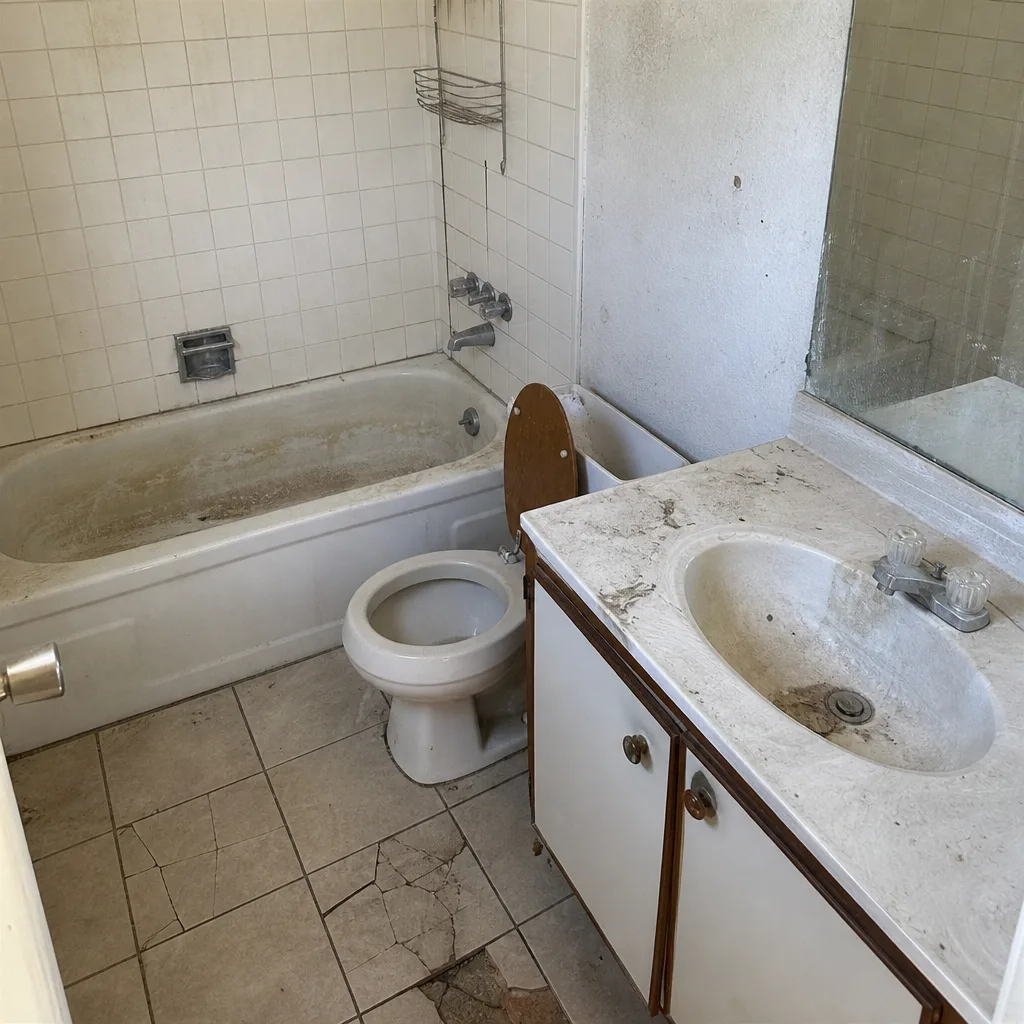 Before
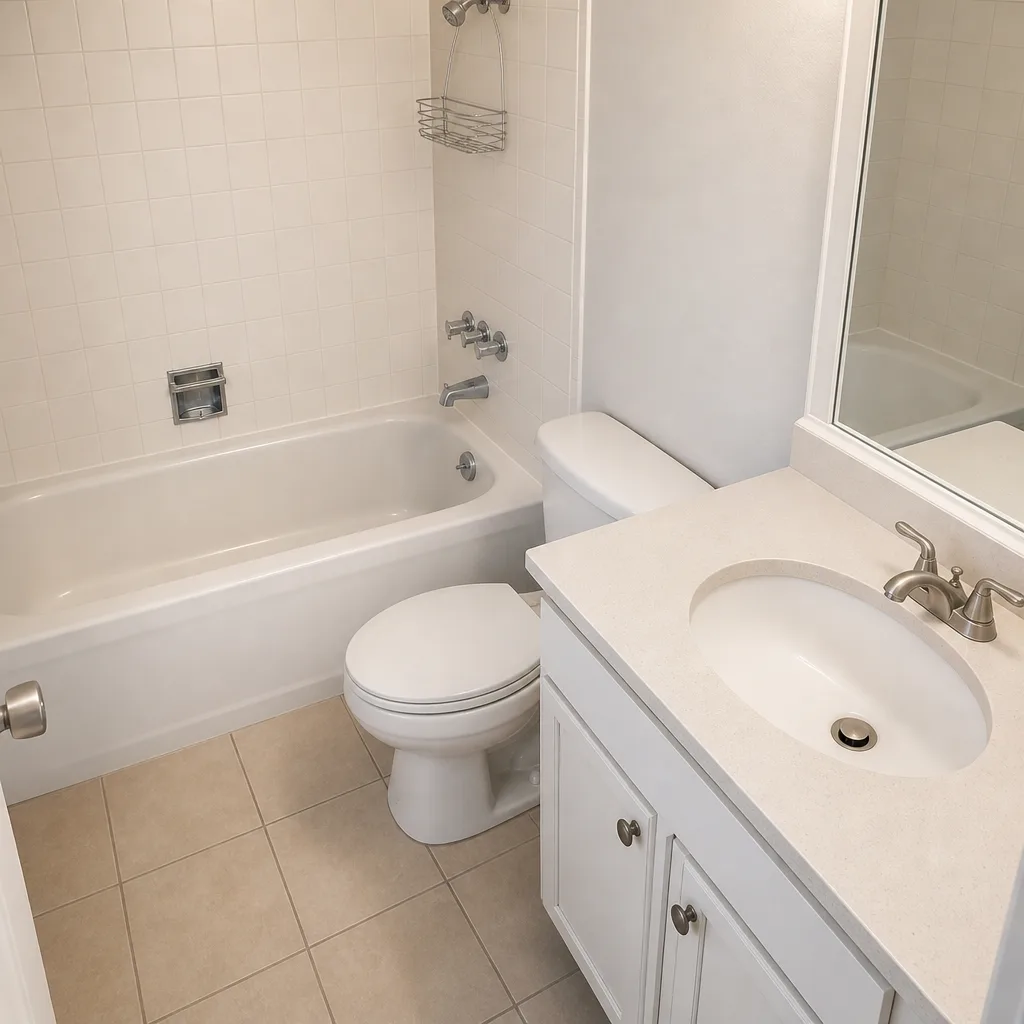 After
When to Call a Professional
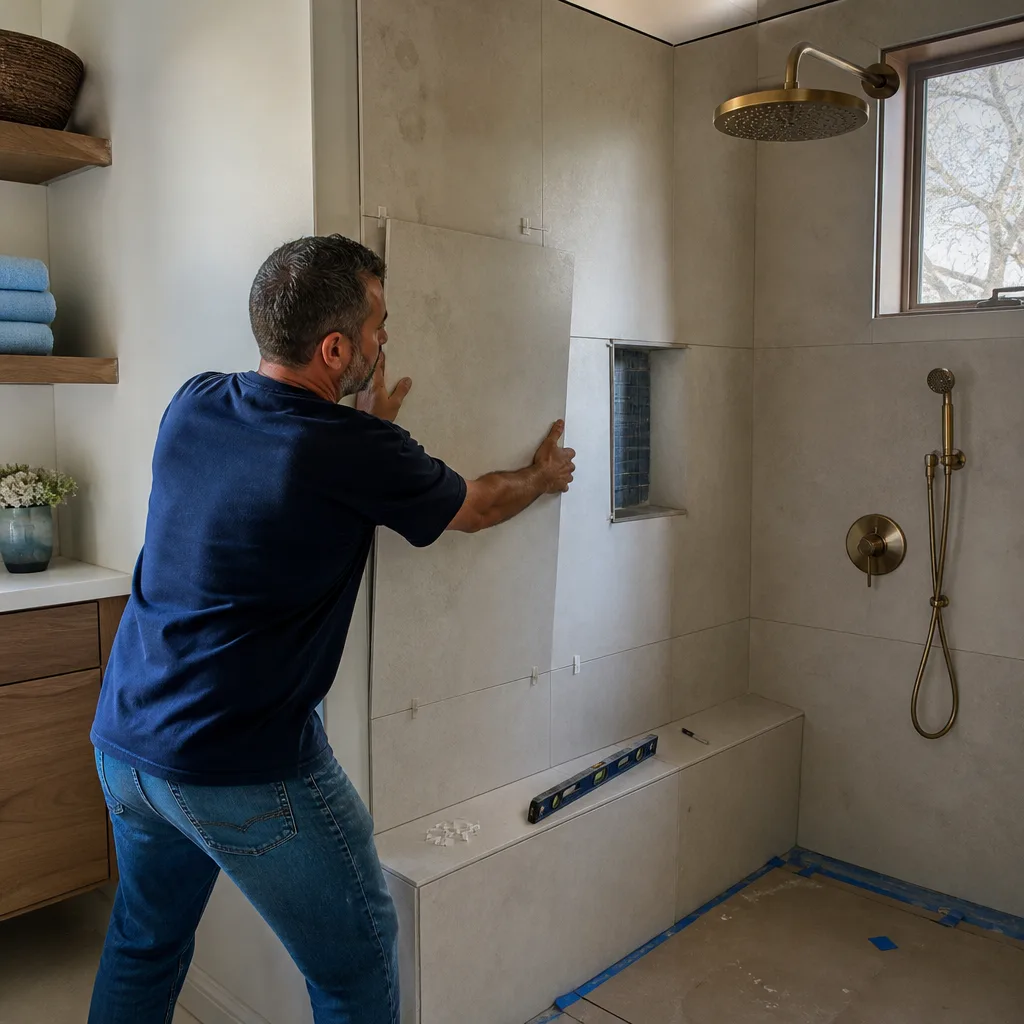
Some bathroom work is a weekend project. Replacing a faucet, swapping a vanity light, repainting a wall, or re-grouting a shower floor is within reach for most homeowners. But if you’re moving a drain, relocating a shower, adding a new electrical circuit, or opening a wall where there might be water damage, it’s time to call a pro. That’s especially true when the project requires a permit from Clark County, or when you’re dealing with a bathroom so outdated that the tile, subfloor, and plumbing all need to come out together.
A small leak behind a tile wall can go unnoticed for years. By the time you see the stain on the ceiling below, the subfloor and joist may already be compromised. That’s not a DIY fix.
Sawyer Remodel North Las Vegas offers free estimates in North Las Vegas – call (844) 834-9656. Our technicians have up to 21 years of experience, and every project is backed by The Relay Visibility Guarantee and the 365-Day Done Right Promise. You get a written price before any work starts, and photo updates so you know how the project is progressing.
If you’re also planning a larger renovation alongside the bathroom, you can explore Kitchen Remodeling in North Las Vegas for how the two projects can be sequenced together.
Frequently Asked Questions
Most full bathroom remodels in North Las Vegas take 3 to 5 calendar weeks. That includes demo, rough plumbing and electrical, waterproofing, tile, fixtures, and the punch list. A cosmetic refresh can be done in 1 to 2 weeks. A layout change that requires moving plumbing pushes it to 6 to 8 weeks. Call (844) 834-9656 for a free estimate and a written schedule for your specific project.
Because they’re quoting trade days, not calendar days. A “5-day” quote counts only the days someone is physically working. It doesn’t count tile lead time, the two-day inspection hold, drying time for waterproofing, or the custom shower glass that takes three weeks to arrive. Always ask a contractor whether a quoted timeline is trade days or calendar days, and get the answer in writing.
You need a permit if the project moves plumbing, adds or relocates electrical, changes the room’s footprint, or opens a structural wall. A pure surface refresh like new paint, tile over existing tile, or a vanity swap usually doesn’t require one. When in doubt, ask. Unpermitted work gets flagged at resale, and the cost of correcting it usually exceeds the cost of doing it right the first time.
Late material selections. A homeowner picks a tile after demo starts, then finds out it takes three weeks to arrive. Every phase after that waits. The second most common reason is hidden damage behind the old tile, which pushes out the plumbing and waterproofing phases. Pre-ordering materials and planning for a contingency is the single best protection against a late project.
Yes, as long as you have a second bathroom. If the remodel is your only bathroom, plan for a few days without a working shower or toilet during the plumbing and tile phases. A good schedule will tell you in advance which days the bathroom will be out of service, so you can plan around them.
Only if materials are ordered late or chosen after demo begins. Every major decision (tile, vanity, fixtures, glass) should be locked in before demo day. A written schedule that lists order-by dates for each material keeps the project on the calendar. Some brands and specialty items ship faster than others, so ask your contractor about lead times before you commit to a selection. Call (844) 834-9656 for an exact quote – estimates are free.
The Bottom Line

Bathroom remodel timelines get misquoted more than almost any other metric in construction because contractors hand you trade time and let you assume it’s calendar time. A full bathroom takes 3 to 5 weeks on the calendar, not five days. The difference is tile orders, drying time, and Clark County inspection holds that nobody can skip. The single best defense is a written, date-based schedule from a contractor who hands you the price before work starts and keeps you informed at every phase.
If you’re planning a bathroom project in North Las Vegas, call (844) 834-9656 for a free estimate. You’ll get a written price and a schedule you can plan around, which is the whole point of doing it right. For the broader picture on how a bathroom fits into a whole-home scope, see our bathroom remodeling service page and our main home page for North Las Vegas remodeling.
Written by the team at Sawyer Remodel North Las Vegas.