
Last updated November 18, 2026








Free written scope consultation - allowances, timeline, and change-order rules on paper before a single trade is scheduled
Kitchen Remodeling Troubleshooting: Common Problems and How to Fix Them
The number-one reason kitchen remodels run over budget isn’t demo surprises. It’s a single delayed material order that forces every trade behind it to reschedule at a premium. A cabinet shipment that shows up wrong in week three pushes the countertop template to week five, which pushes the plumber to week six, which pushes the final inspection past the date you told your family you’d be cooking again. In North Las Vegas, where summer heat already strains timelines and households, one slipped week can turn a manageable project into a saga. This guide gives you the decision tree for each disruption, so you can stop a single problem from cascading through your whole job.
Quick Answer
Most mid-project kitchen remodel problems trace back to a delayed or defective material order, a measurement error caught at countertop template, or a hidden condition found after demo. The fix in every case is the same: get it documented in a written change order before the next trade touches the room, and make sure the schedule and cost impact are spelled out in writing. Speed matters less than sequence. Whoever owns the problem should own the reschedule too.
Styles & brands we work with
- Kitchen remodeling
- Bathroom remodeling
- Home additions & ADU
- Roofing
- Windows & doors
- Driveway & pavers
- Fence
Table of Contents
- Damaged or Wrong Cabinets: Your Rights and the Reorder Timeline
- When the Countertop Template Reveals a Measurement Error
- Mold Behind the Wall: What Nevada Code Requires and Who Pays
- Losing Your Kitchen Longer Than Expected: Questions to Ask First
- When to Fire a Contractor Mid-Project and How to Protect Yourself
- Stopping the Schedule Cascade: The Decision Tree
- Permits and Inspections: Where North Las Vegas Jobs Stall
Damaged or Wrong Cabinets: Your Rights and the Reorder Timeline
Damaged or wrong cabinets are the most common mid-project failure we see in North Las Vegas kitchens, and the single biggest cause of schedule cascade. A cracked cabinet box, a door hung on the wrong side, a finish that doesn’t match the sample: any one of these stops the install cold, and everything downstream waits on the replacement.
Your rights start with the paperwork you signed at contract. A well-built contract names the cabinet brand and model (KraftMaid and Wellborn are common picks for good reason), states the lead time, and assigns responsibility for reorders. If the order was placed by your contractor through their vendor, the delay is the contractor’s to absorb and the reorder is the contractor’s to expedite. If you ordered direct, it’s yours. This distinction is worth confirming in week one, not week eight.
The reorder timeline for damaged cabinets is typically two to six weeks for standard stock lines and longer for semi-custom. Here’s how to keep it from wrecking the schedule:
- Photograph and inventory the damage the day it arrives. Note every affected piece on the packing slip before you sign for the delivery.
- Notify the vendor in writing within 24 to 48 hours. Most cabinet manufacturers require this window for warranty claims.
- Get the reorder commitment in writing with a ship date, not a range.
- Ask the contractor to resequence other trades (electrical, plumbing rough-in, drywall) to fill the gap.
- Request a written change order if the delay adds cost, with the exact amount spelled out.
If the contractor’s own vendor caused the delay, a well-run company absorbs the cost rather than passing it back to you. Ask that in writing before you sign the contract. In our experience, this is where the difference between a good remodeler and a mediocre one shows.
When the Countertop Template Reveals a Measurement Error
A countertop template is a physical pattern a fabricator makes on-site, using the installed cabinets as the reference. If the cabinets are out of level or the walls aren’t square, the template catches it. That’s the good news. The bad news is that the template is one of the last steps before fabrication, so a measurement error found at template time can stall a North Las Vegas kitchen for a week or more.
The question of who pays comes down to how the error happened. If the installer set the cabinets out of level, the installation is defective and the contractor’s responsibility to correct before template. If the countertop fabricator misread the template, that’s on the fabricator. If the homeowner changed the cabinet layout mid-project, the change order protects everyone. Silestone and Caesarstone both run fabrication queues of one to three weeks, so any error caught at template adds that time to your schedule.
Documentation is what protects you. Here’s what to keep:
- Photos of the cabinet run before template, with a level on the frames
- A signed floor plan that shows cabinet layout as built
- The fabricator’s template sheet, signed by both the installer and the fabricator
- Any change order that altered the cabinet run after the original contract
Small errors in a countertop run can be corrected with an edge profile change, a slight backsplash adjustment, or a filler strip. Larger errors mean refabrication, and the cost and delay belong to whoever caused them. A good contractor in North Las Vegas will walk the template with you and put their name to the sheet before fabrication starts.
Mold Behind the Wall: What Nevada Code Requires and Who Pays
Mold behind the wall is a hidden condition, and hidden conditions almost always trigger a change order. When demo exposes water damage or active mold, work stops until it’s resolved. In North Las Vegas, the most common source we see is a slow leak from a supply line or dishwasher connection that sat undiscovered for years behind drywall.
Nevada doesn’t have a statewide mold-specific statute, but local building departments treat mold remediation as part of the scope of work under the applicable code and will require it be addressed before the job can proceed. The contractor has to document the condition, scope the remediation, and get a signed change order before demo continues. Doing anything else is a contract violation and, more importantly, a health risk.
Who pays depends on three things:
- Whether the condition was visible or discoverable before demo. A stain that showed on the drywall is discoverable. Mold behind intact tile isn’t.
- The scope of remediation. A few square feet of surface mold is one budget; soaked framing and cabinetry is another.
- Homeowners insurance. Sudden leaks may be covered; long-term seepage usually isn’t. Call your insurer the day the condition is found.
Insist on a written change order with three parts: a remediation scope, a dollar figure, and a new schedule date for demo to resume. Do not let work continue past the discovery until all three exist. If a contractor says “we’ll just work around it,” that’s your signal to stop.
Losing Your Kitchen Longer Than Expected: Questions to Ask First
Every kitchen remodel runs over on access time for most families, and the households that handle it best are the ones who planned for it before demo day. The question isn’t whether you’ll lose your kitchen. It’s how many weeks you can realistically survive without it, and what happens when that number is wrong.
A full kitchen remodel in North Las Vegas generally means four to eight weeks without a working kitchen. Custom cabinetry and natural stone can stretch past ten. Ask your contractor these questions before signing:
- Where will the temporary kitchen go, and does the layout support a fridge and a plug-in burner?
- When will the sink be back in service? (This is usually earlier than the full kitchen.)
- What’s the plan for the dishwasher gap, and can it be reinstalled early even if cabinets aren’t finished?
- What’s the realistic completion date, not the best-case one?
- What’s the contractor’s written process if the schedule slips, and how much notice will you get?
Plan for one month past the estimated completion. That’s not pessimism; it’s reality. Set up a temporary kitchen with a utility sink, a mini fridge, a microwave, and a single induction burner, and make peace with paper plates for a few weeks. When the schedule does slip, you’re cooking through it rather than ordering out seven nights a week.
When to Fire a Contractor Mid-Project and How to Protect Yourself
Firing a contractor mid-project is the last resort, and the standard for doing it is high. Most North Las Vegas homeowners who consider firing are reacting to poor communication, not poor work. But there are lines that, once crossed, mean you end the relationship and don’t look back.
Fire the contractor if any of these are true:
- They’ve taken a draw and stopped showing up for a week or more with no notice
- Work fails a North Las Vegas inspection and they refuse to correct it
- They’re asking for money that doesn’t match the draw schedule in your contract
- They’re not carrying the licensing or insurance required in Nevada
- They’ve damaged your home and refuse to acknowledge it
- They’ve become verbally abusive or threatening
Protect yourself by doing these things in order:
- Document everything in writing. Every delay, every failed inspection, every unanswered call. Dates and photos.
- Read your contract’s termination clause. Note the notice period and what happens to unfinished payments.
- Send a certified written notice of termination citing the specific contract breach.
- Stop all payments until the final accounting is settled.
- Get an independent inspection of the work completed so far; a general contractor in North Las Vegas can provide one.
- File a complaint with the Nevada State Contractors Board if the contractor is licensed and the dispute is unresolved.
The good news: most problems that make you think about firing are solvable. A contractor with a written price before work starts, live arrival time updates, and photo documentation makes the fire/no-fire decision rare, because you always know where the job stands.
Stopping the Schedule Cascade: The Decision Tree
Every problem in this guide is a version of the same thing: a single failure that cascades. Cabinet delay pushes template, template delay pushes plumbing, plumbing delay pushes inspection, inspection delay pushes move-in. The way to stop the cascade is to install checkpoints in the schedule that force a decision before the next trade is scheduled.
Here’s the decision tree we use on North Las Vegas jobs:
- Was the problem caused by us, the vendor, or the homeowner? That answer assigns cost before the conversation starts.
- Does it delay the next scheduled trade? If yes, the next trade gets rescheduled the same day, not the next week.
- Is a change order required? If yes, no work continues until it’s signed.
- What’s the earliest realistic recovery date? Not the best-case date. The one with one week of buffer.
- Who tells the homeowner, and when? Same day in writing, always.
The Relay Visibility Guarantee exists for exactly this reason. A written price before work starts, a live arrival time as crews move through the day, and photo updates before and after every stage keep you out of the dark during a cascade. Every Sawyer Remodel project runs under it, part of the General Contractor in North Las Vegas work we do.
Permits and Inspections: Where North Las Vegas Jobs Stall
Permits and inspections are where North Las Vegas kitchen remodels most often lose time to the calendar rather than the work. The city requires permits for structural changes, electrical rough-in, plumbing relocation, and gas line work. A typical kitchen remodel pulls two to four permits and gets inspected at three phases: rough-in, insulation, and final.
The most common stall we see is a rough-in inspection scheduled before the work is actually rough-in ready. Electrical gets flagged for a missing box, plumbing for a bad slope, framing for a header that doesn’t match the plan. Each fail adds a reinspection window of a few days and forces the next trade to wait. On a North Las Vegas job in July, when outside temps hit 105+, a missed inspection can cost a whole work week because the crew can’t safely sit in an unshaded room.
The fix is sequencing. A serious contractor confirms rough-in is inspection-ready before scheduling, and puts the inspection date on the same calendar as the trade schedule, not a separate one. Ask the contractor:
- Who pulls the permits, and when are they pulled? (The answer should be “before demo,” not “when we get to it.”)
- What’s the inspection calendar look like, and how many inspectors are typically assigned?
- Who signs off that rough-in is ready, and what’s the checklist?
If a contractor can’t answer these clearly, that’s a signal. So is a price that’s lower than every other bid you got. A kitchen remodel in North Las Vegas with a real permit and a real schedule is a different job than the one that skips both.
Common Mistakes to Avoid
- Skipping the written change order for “small” discoveries. A $200 issue today becomes a $2,000 dispute when the final invoice arrives. Get every change in writing, even one-line ones.
- Letting the contractor choose the cabinet delivery window without a contract clause. In North Las Vegas, summer delivery logistics are tighter than most markets; a ship date in writing protects you when the reorder is needed.
- Paying draws that don’t match the schedule in your contract. Pay for completed stages only, never for materials on order unless your contract says so.
- Not confirming who pulls permits before demo starts. If the permit isn’t pulled before demo, the first inspection can stall the job for a week or more.
- Setting a move-in date on the best-case schedule. Add a month. Every family that plans the extra month stays sane.
- Ignoring signs of poor communication in week one. A contractor who doesn’t answer your first questions in 24 hours is telling you something. Believe it.
- Choosing the lowest bid. The lowest bid is often the one with the longest cascade waiting in the wings. A written price from a contractor with a documented schedule beats a number you can’t trace.
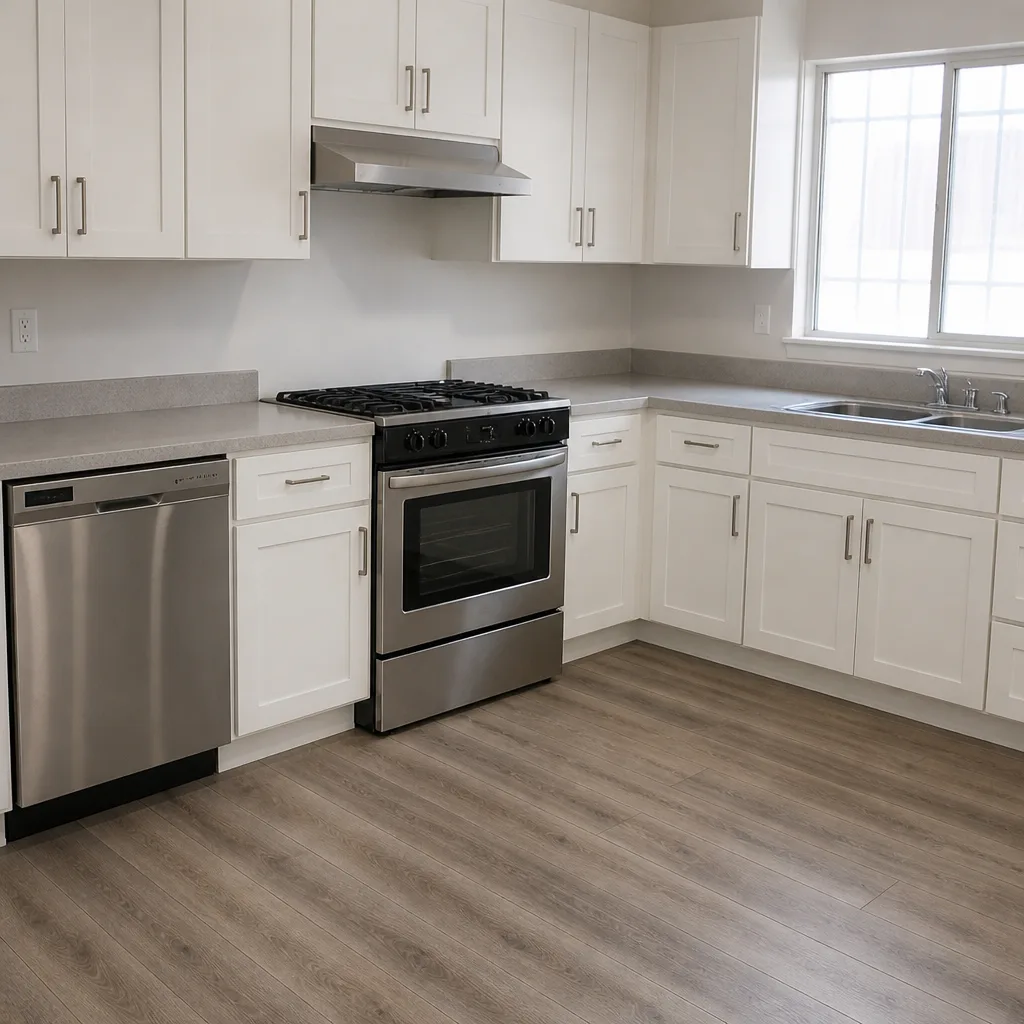
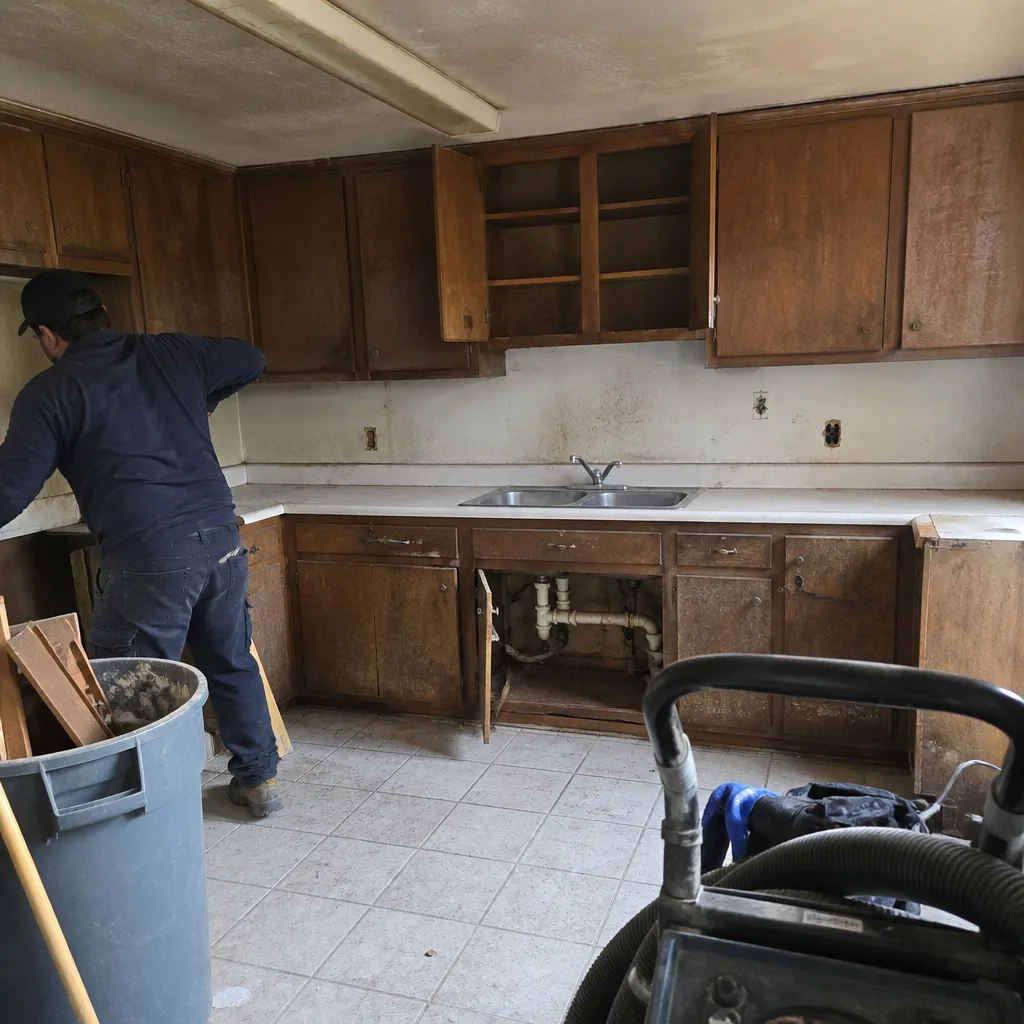
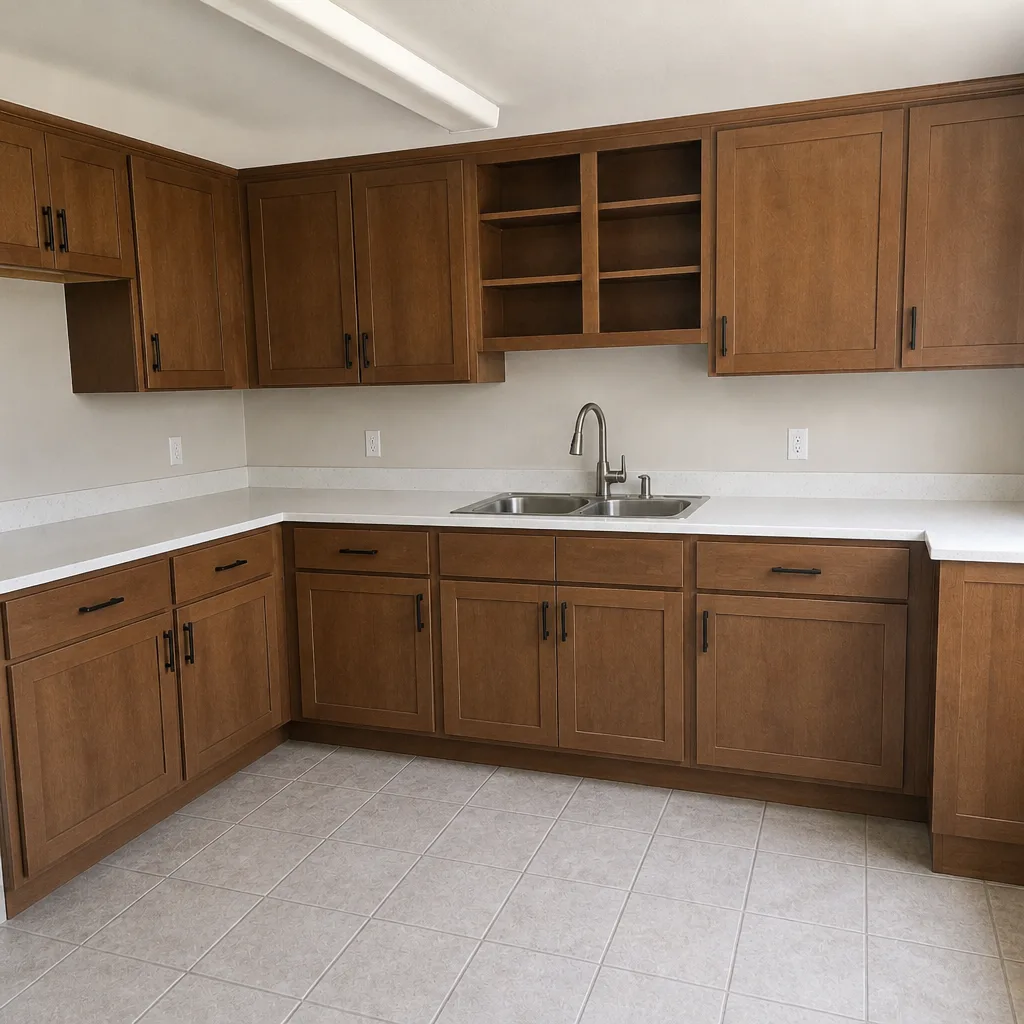
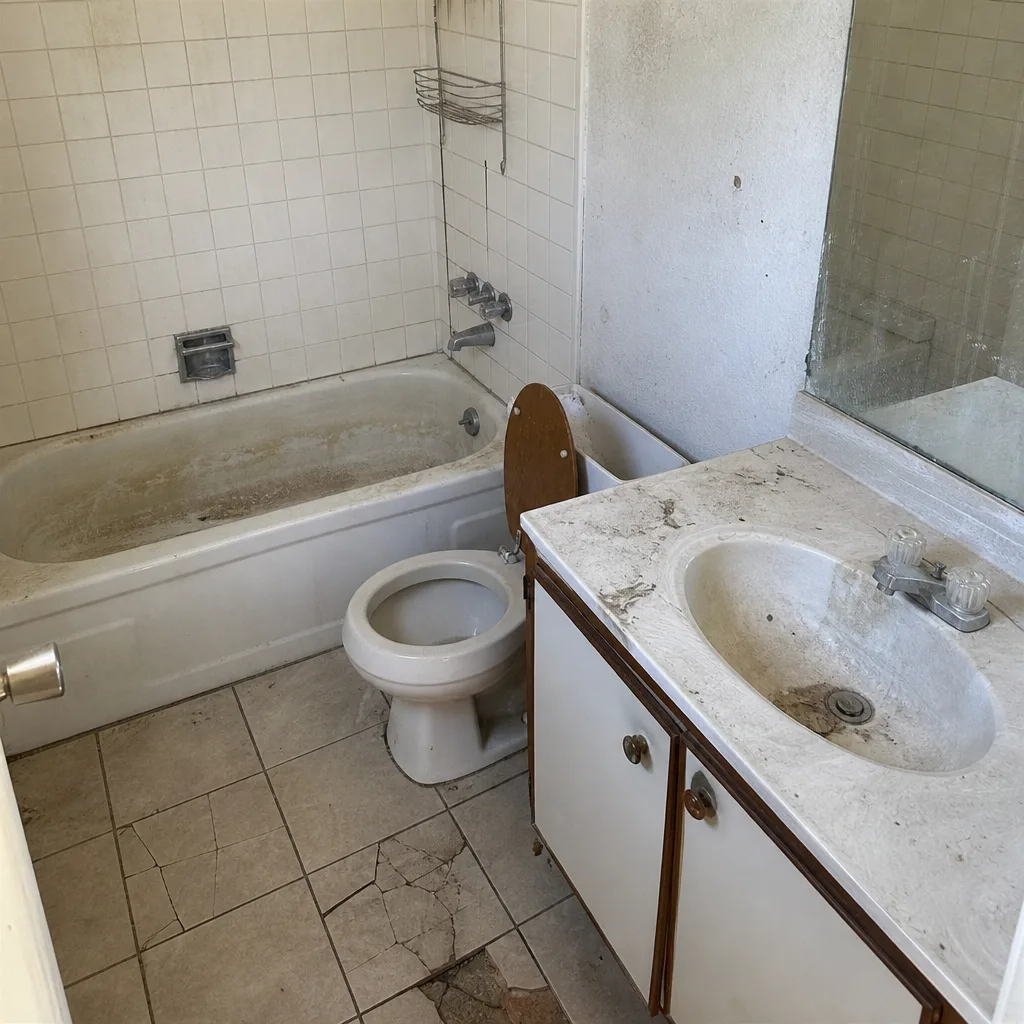
See the difference
 Before
 After
 Before
 After
 Before
 After
When to Call a Professional
Call a professional the moment you see mold behind a wall, a failed inspection you can’t explain, a contractor who’s stopped showing up, or a change order that wasn’t in writing. Those are the five situations where trying to solve the problem yourself costs more time than hiring a professional. A licensed general contractor can pull the documentation, coordinate with the inspector, and get the schedule back on track. Sawyer Remodel North Las Vegas offers free estimates in North Las Vegas, with a written price before any work starts and the 365-Day Done Right Promise on every project. Call (844) 834-9656 and we’ll walk the job with you. Our technicians have up to 21 years of experience covering every stage of kitchen work, from cabinet install to countertop template to final inspection.
Frequently Asked Questions

Get a written ship date for the replacement cabinets and the contractor’s commitment to resequence other trades to fill the gap, then ask for a written change order if the delay adds cost. A well-built contract assigns reorder responsibility to whoever placed the order. In North Las Vegas, we’ve found that cabinet delays are the most common cause of schedule cascade, so locking the ship date in writing before demo starts is the single highest-value step.
Whoever caused the error pays, and documentation decides that. If the installer set cabinets out of level, it’s the installation cost. If the fabricator misread the template, it’s the fabricator’s cost. If you changed the layout mid-project, a change order you signed is the record. Photograph the cabinet run before template and keep a signed template sheet as your proof.
Sometimes. Sudden leaks (a burst pipe, an appliance failure) are usually covered; long-term seepage between walls is usually not. Call your insurer the day the condition is found and get the coverage decision in writing before remediation starts. Nevada code requires the condition be addressed before the job can be signed off, so the timeline matters.
Plan for one month past the contractor’s estimated completion, not just for the estimate itself. A typical North Las Vegas kitchen remodel means four to eight weeks without a working kitchen, and custom cabinetry and natural stone can push past ten. Set up a temporary kitchen with a utility sink and a plug-in burner and you’ll survive the overrun.
Yes, but only with documentation and a certified written termination notice. Stop all payments until the final accounting is settled, get an independent inspection of work completed, and file with the Nevada State Contractors Board if the contractor is licensed and the dispute is unresolved. Rehiring is feasible; you’ll want a clean set of drawings and a written scope before you do.
Yes. Every estimate includes a written price before any work starts and the 365-Day Done Right Promise in writing, and you can reach us at (844) 834-9656 to schedule. If you’re comparing contractors, ask each one for the same written price and guarantee so you can see the real numbers side by side. Our Kitchen Remodeling in North Las Vegas page has more on how we structure the estimate.
The Bottom Line
Most kitchen remodel problems aren’t caused by the work. They’re caused by how a single disruption is handled. Get every change in writing, keep the schedule visible, assign cost before work continues, and know the difference between an inconvenience and a fireable offense. The North Las Vegas homeowners who come through a kitchen remodel on budget and on time are the ones who asked the right questions before demo, not the ones who got lucky. If you’re comparing contractors, look for a written price before work starts, a guarantee that’s named and numbered, and live updates during the job. Those three things are what keep a cascade from becoming a catastrophe. When you’re ready to talk numbers, Bathroom Remodeling in North Las Vegas is a good next read if you’re planning the full remodel; call (844) 834-9656 for a free estimate, and see the Sawyer Remodel North Las Vegas home page for the full picture on how we run every job.
Written by the team at Sawyer Remodel North Las Vegas.