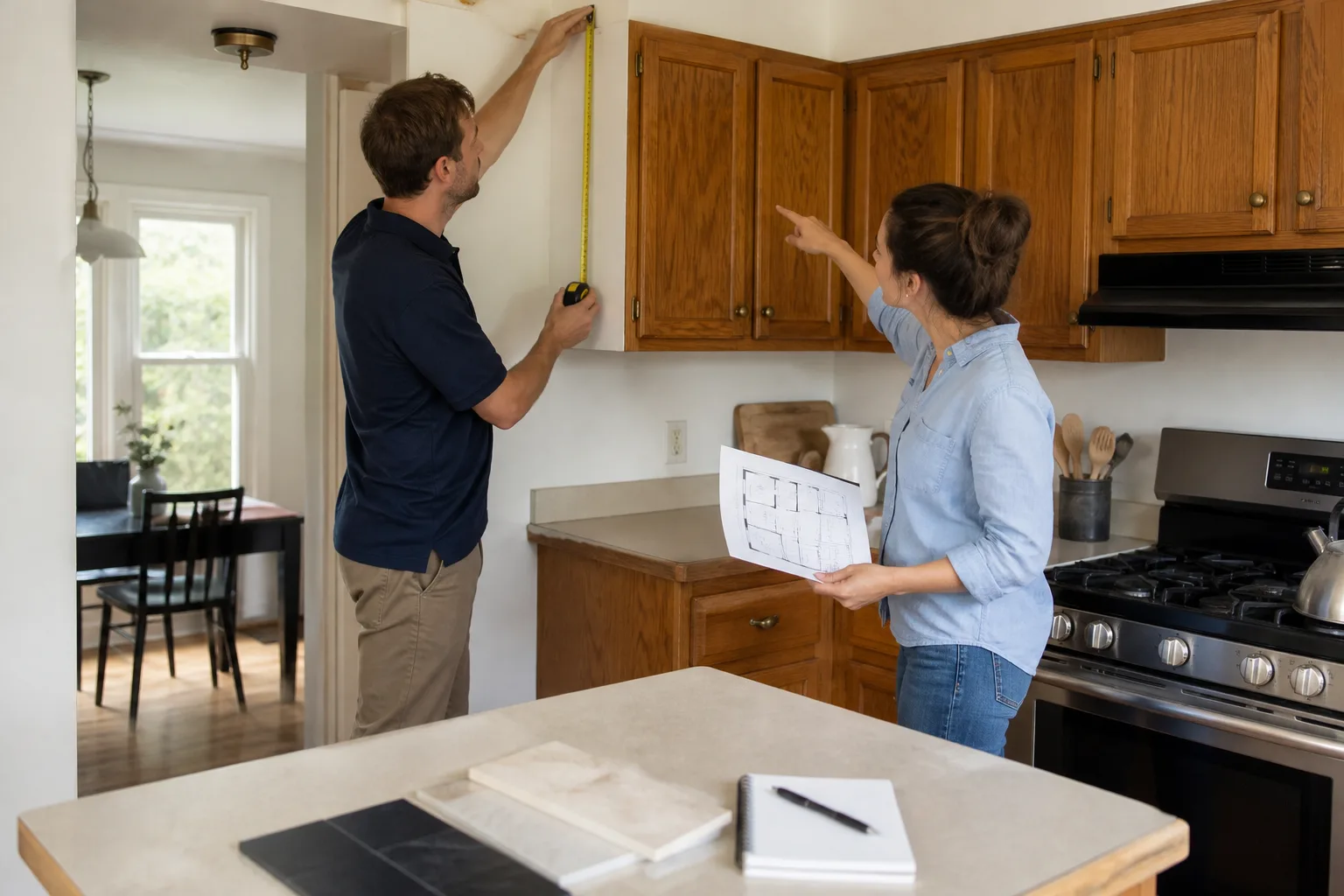







Free written scope consultation - allowances, timeline, and change-order rules on paper before a single trade is scheduled
Styles & brands we work with
- Kitchen remodeling
- Bathroom remodeling
- Home additions & ADU
- Roofing
- Windows & doors
- Driveway & pavers
- Fence
See the difference
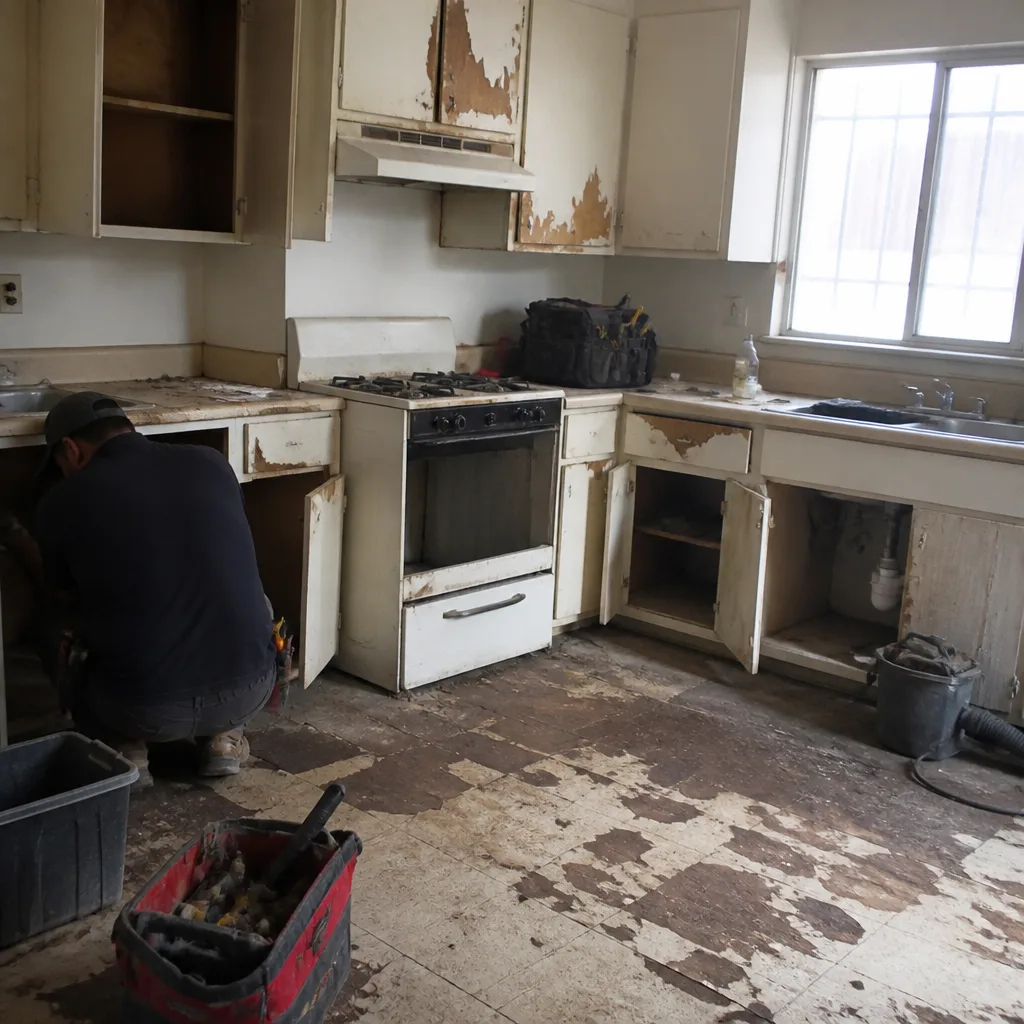 Before
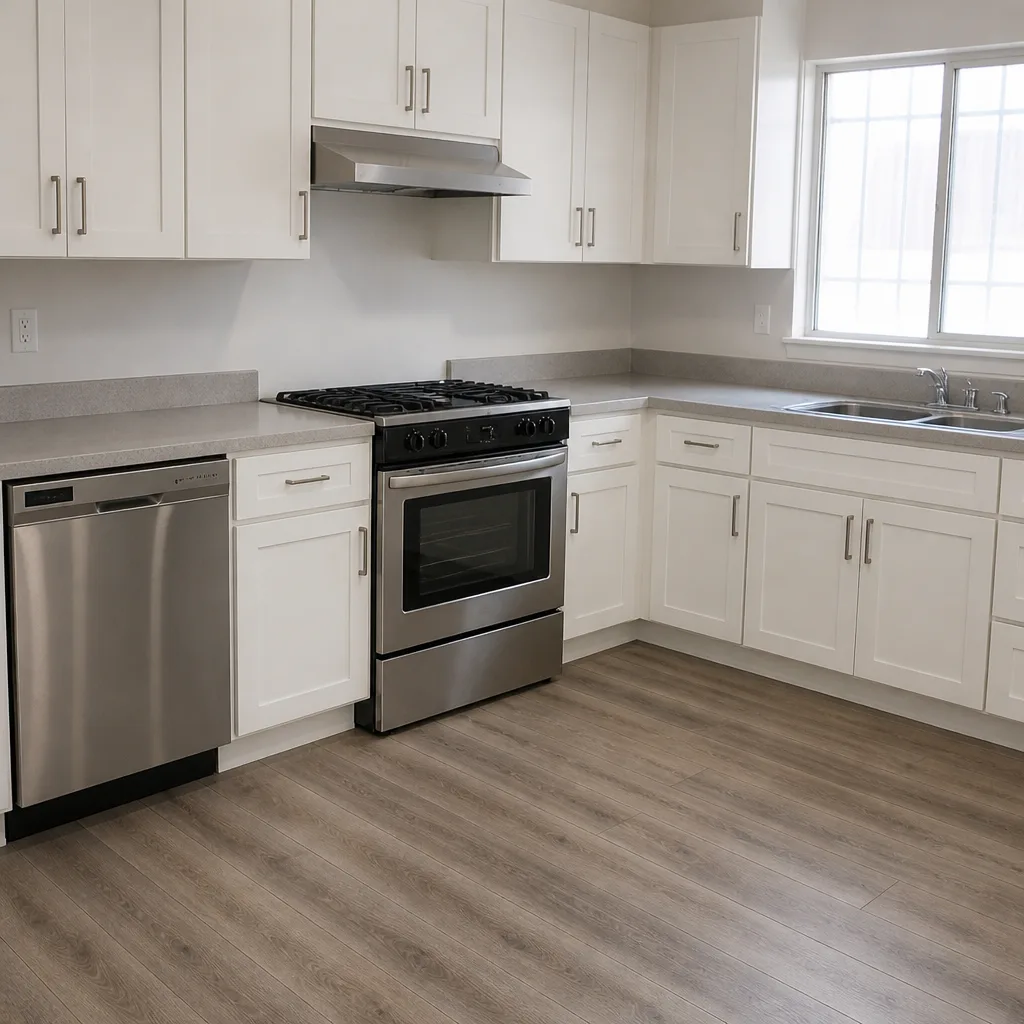 After
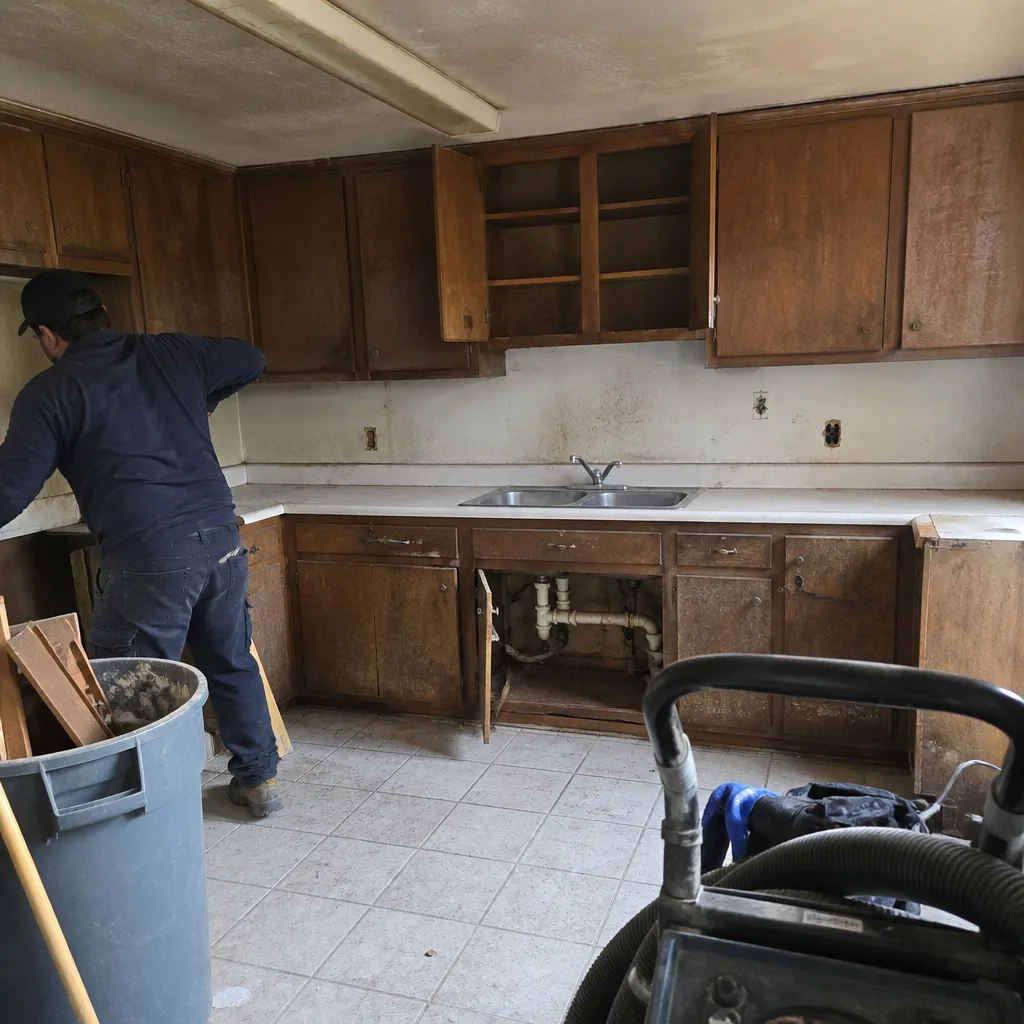 Before
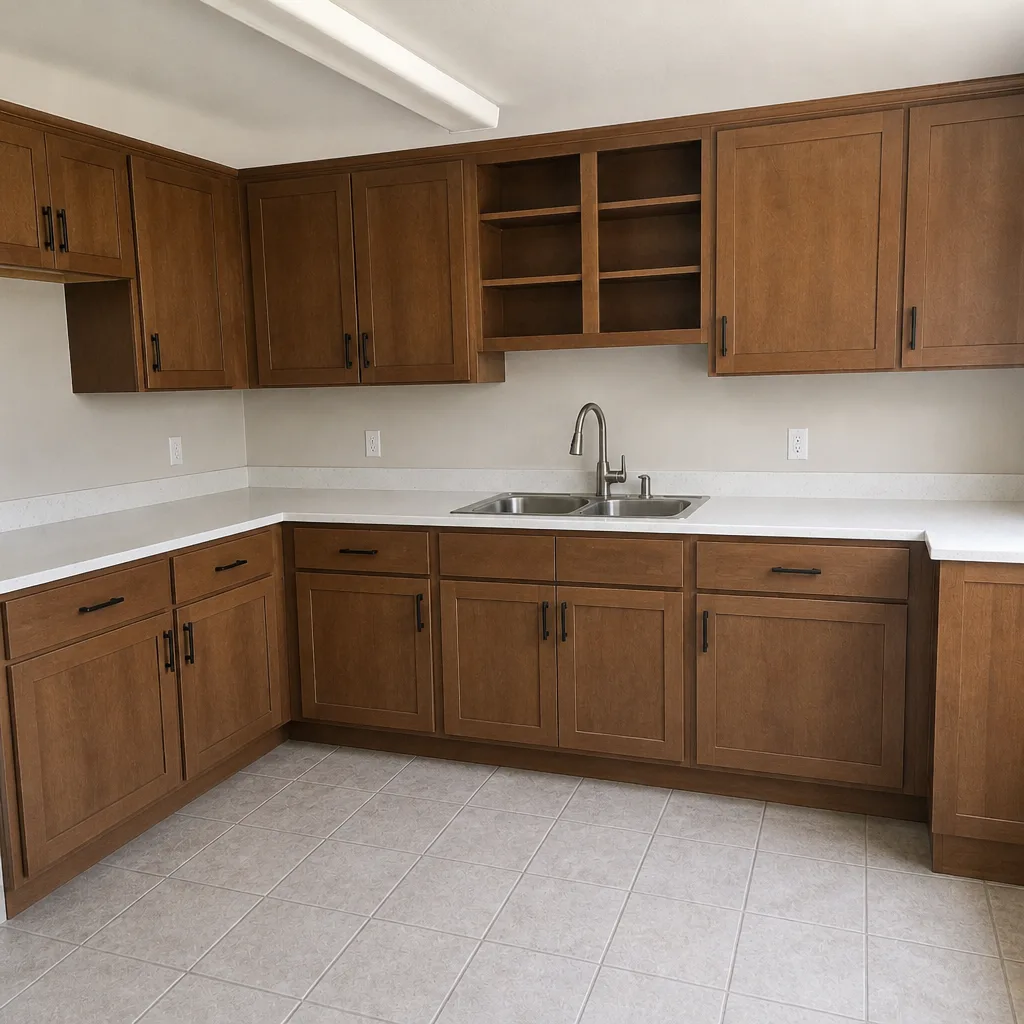 After
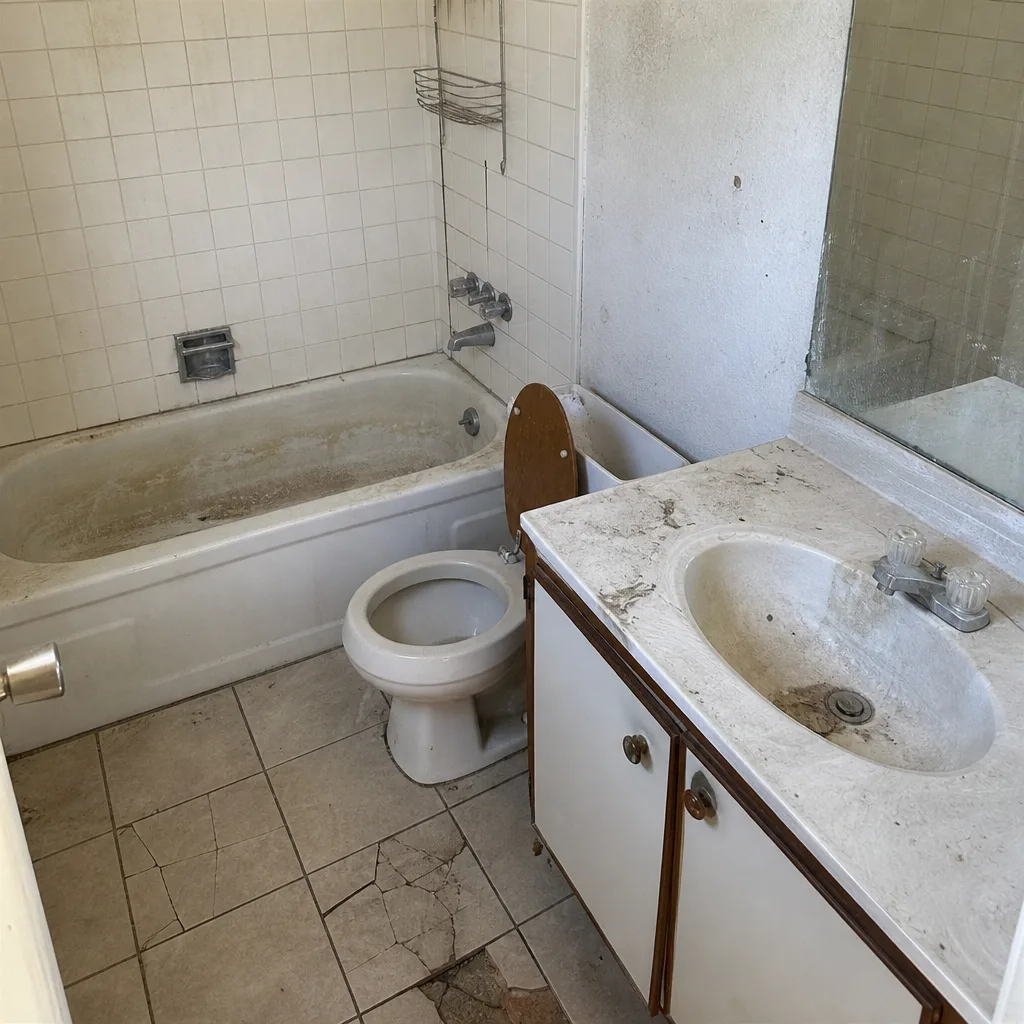 Before
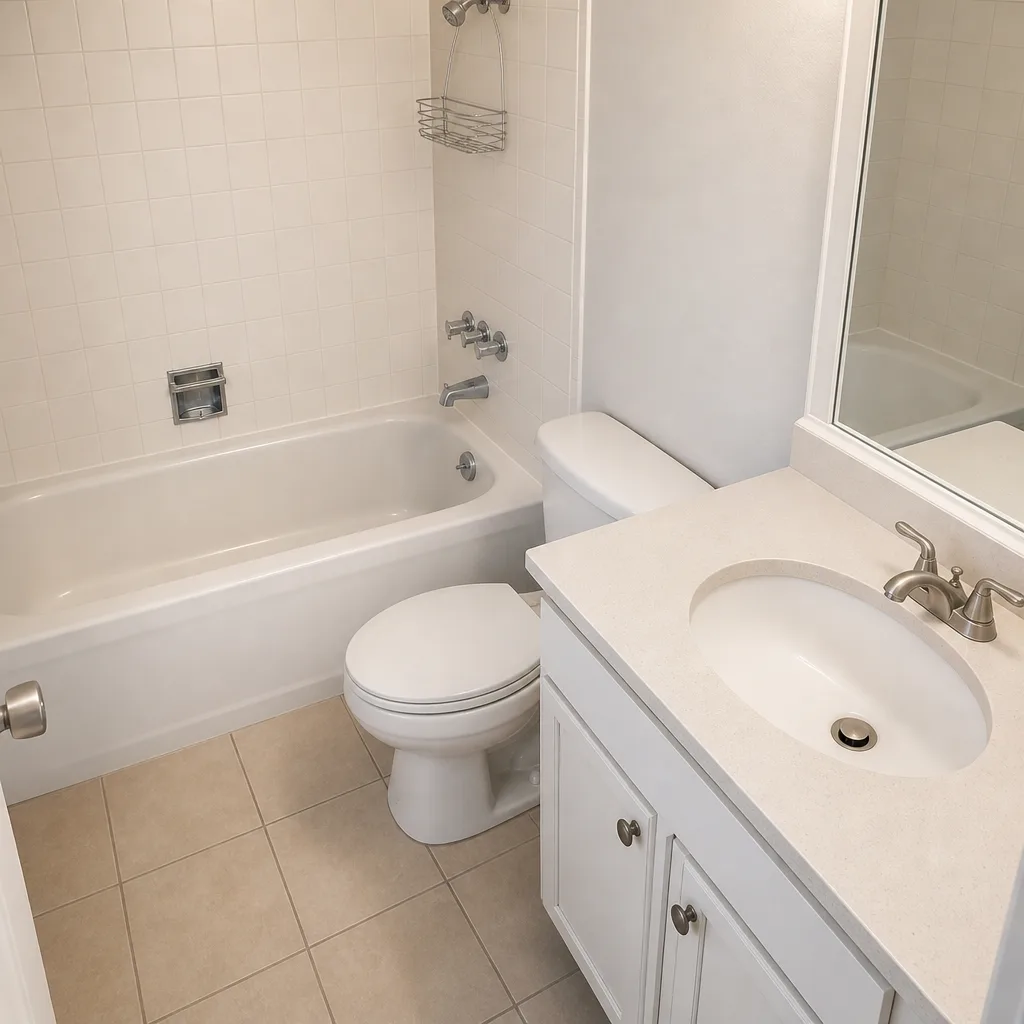 After
General Contractor vs Handyman in North Las Vegas: Where the $1,000 Line Actually Falls
In Nevada, the line between “handyman job” and “requires a licensed contractor” is $1,000 in combined labor and materials. Under Nevada Revised Statutes Chapter 624, any single project or series of related projects that crosses that threshold needs a Nevada State Contractors Board license. On a slab-on-grade North Las Vegas bathroom, you can hit $1,000 buying tile before anyone picks up a trowel. That’s the short answer: use a handyman for genuinely minor tasks, and use a licensed general contractor for anything involving plumbing, electrical, structural, or exterior work. If you want the licensed side handled, Sawyer Remodel North Las Vegas gives you a written price before work begins – call (844) 834-9656.
Key Takeaways
- Nevada law sets the license threshold at $1,000 in combined labor and materials per project or related series of projects.
- Most homeowner’s insurance policies exclude damage caused by unlicensed contractors – the homeowner eats the cost.
- North Las Vegas stucco-on-frame tract homes and slab-on-grade bathrooms push even “small” tile and shower work over the $1,000 line fast.
- A background-checked, uniformed technician is a different category of worker than someone answering a neighborhood app post.
Why the $1,000 Threshold Bites Harder Here Than Homeowners Expect
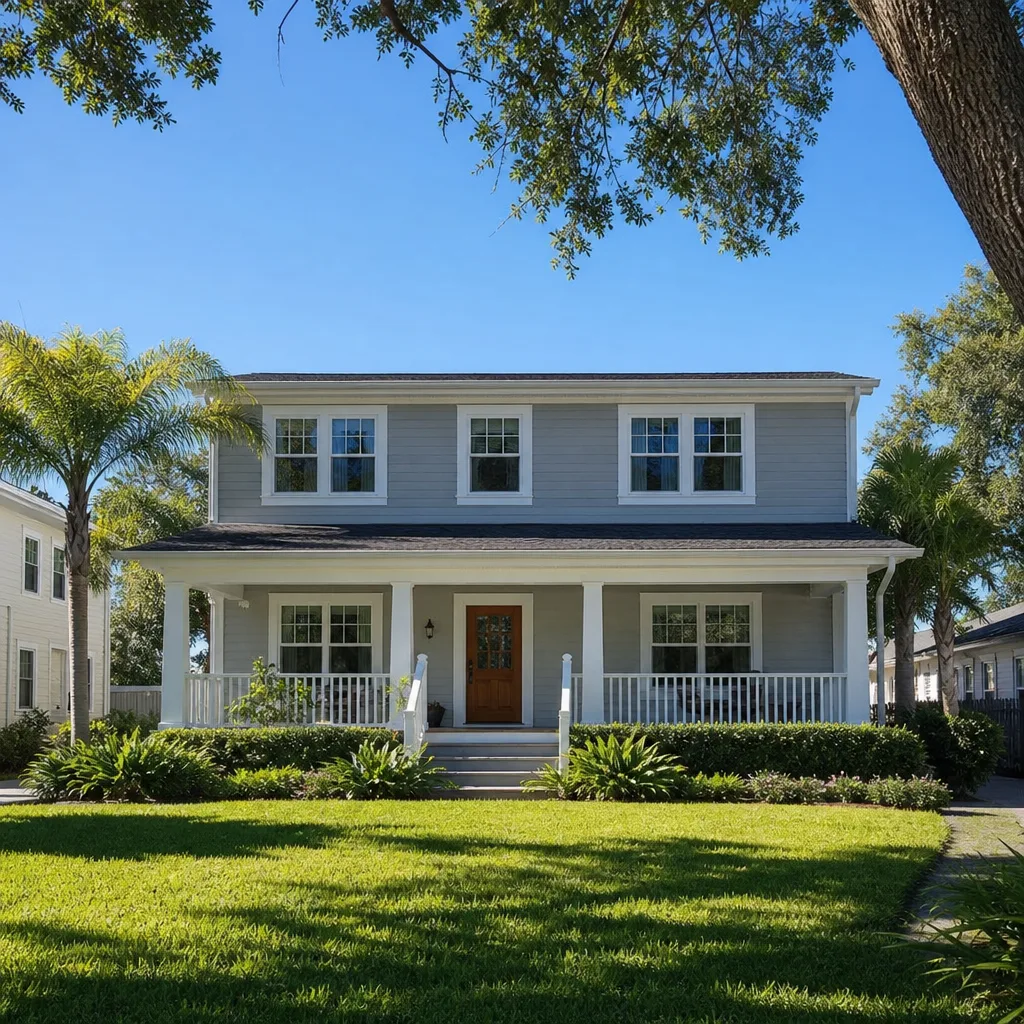
North Las Vegas grew up on production building. The dominant housing stock is 1990s-to-2020s stucco-on-frame tract homes, plus a wave of build-to-rent subdivisions on the city’s north and west edges – Tule Springs, Valley Vista, and the Apex corridor. Those homes sit on slab-on-grade foundations with tile roofs. There’s very little old-house repair work here. Almost everything is mid-cycle renovation on a home that’s maybe 10 to 20 years old.
That matters for the handyman question because of how the costs stack. A bathroom remodel in North Las Vegas runs $9,000 to $28,000, and even a small bathroom remodel lands at $5,000 to $12,000. A tub-to-shower conversion runs $3,500 to $10,000. A basic shower replacement is $3,000 to $8,500. Nobody crosses the $1,000 threshold slowly on this kind of work – they blow past it on the first materials run.
Here’s the local wrinkle. Slab-on-grade means there’s no crawlspace and no basement. When water escapes a poorly set shower pan or a handyman’s tile job on that slab, it spreads across the concrete and finds the path of least resistance – usually into a neighboring room or up into the wall cavity. We regularly see this in the older tract homes off the 215 and around Aliante: a homeowner hired a “guy” for a shower refresh, the pan failed in year two, and by the time the damage showed up it had traveled eight feet across the slab.
Caliche complicates exterior work too. Builders on the city’s edges hit caliche and fractured rock during excavation regularly, which means any exterior or foundation-adjacent work needs excavation experience, not a pickup truck and a shovel. Extreme desert heat (routinely 110°F+) and near-zero humidity also change how stucco and concrete cure, and monsoon flash-flood season adds drainage problems that affect grading and site work. None of that is handyman territory.
The Insurance Gap Nobody Warns You About
This is the part most comparison articles skip. Most homeowner’s insurance policies exclude damage caused by an unlicensed contractor. Read that again: if an unlicensed handyman causes a water leak doing an unlicensed tile job on your slab-on-grade bathroom, your policy may not cover the resulting slab and drywall damage. You’re paying out of pocket, and in some cases the homeowner can be held jointly liable for unpermitted work.
That’s the real risk of the “cheaper” handyman – not a bad paint line, a voided claim. The savings on labor evaporate the moment water finds the slab.
There’s a reason this comes up more in North Las Vegas than in an older, slower-growth city. The construction market here runs on Southern Nevada’s boom-and-bust cycle. When production crews are between boom cycles, some of those workers take informal handyman jobs without a license. In a growth market with this much new construction, homeowners have more opportunity to hire unlicensed workers than they may realize – and those workers are often skilled, which makes the license question easier to overlook. Skill and legal standing are two different things.
What a Handyman Should Actually Handle (and What They Shouldn’t)
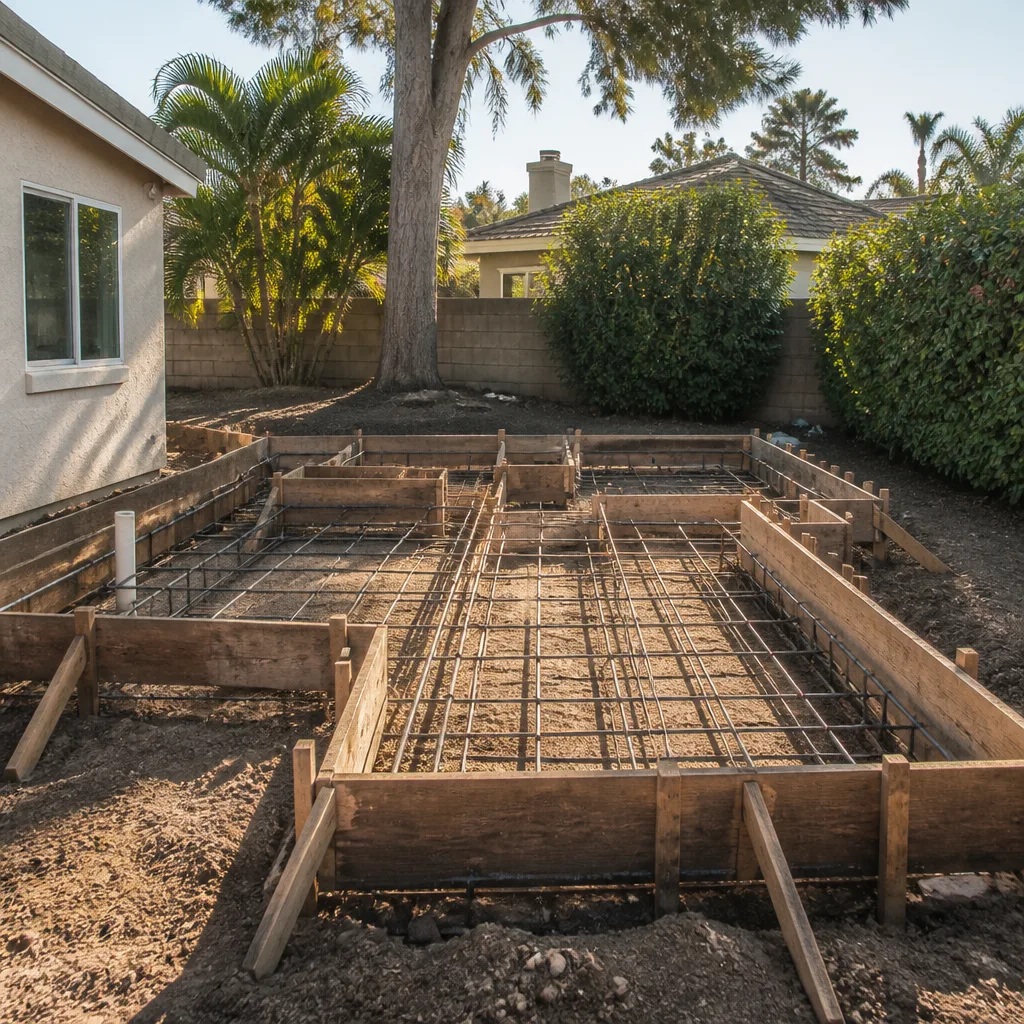
None of this means a handyman has no place. Minor work is exactly what a handyman is for, and hiring one is fine as long as the job stays clearly under $1,000 in labor and materials combined.
| Job | Who should do it | Why |
|---|---|---|
| Fixing a door hinge, sticky latch | Handyman | Minor, well under the $1,000 threshold |
| Patching drywall, small paint touch-up | Handyman | Finishing work, no permits, low risk |
| Tile shower or tub surround | Licensed GC | Tile materials alone often exceed $1,000; waterproofing failure damages the slab |
| Any plumbing or electrical | Licensed GC | Permitted, inspected, insurable |
| Stucco or exterior repair on frame homes | Licensed GC | Moisture intrusion and curing in desert heat need trade experience |
| Full bathroom remodel ($9,000-$28,000) | Licensed GC | Far past the threshold, permit and inspection required |
| Home addition ($45,000-$130,000) | Licensed GC | Structural, permitted, engineered |
If a task involves opening a wall, moving water or power, or touching anything structural, it’s a general contractor’s job. Everything else on the punch-list side of the ledger – that’s a handyman.
What the License and Insurance Actually Mean for You
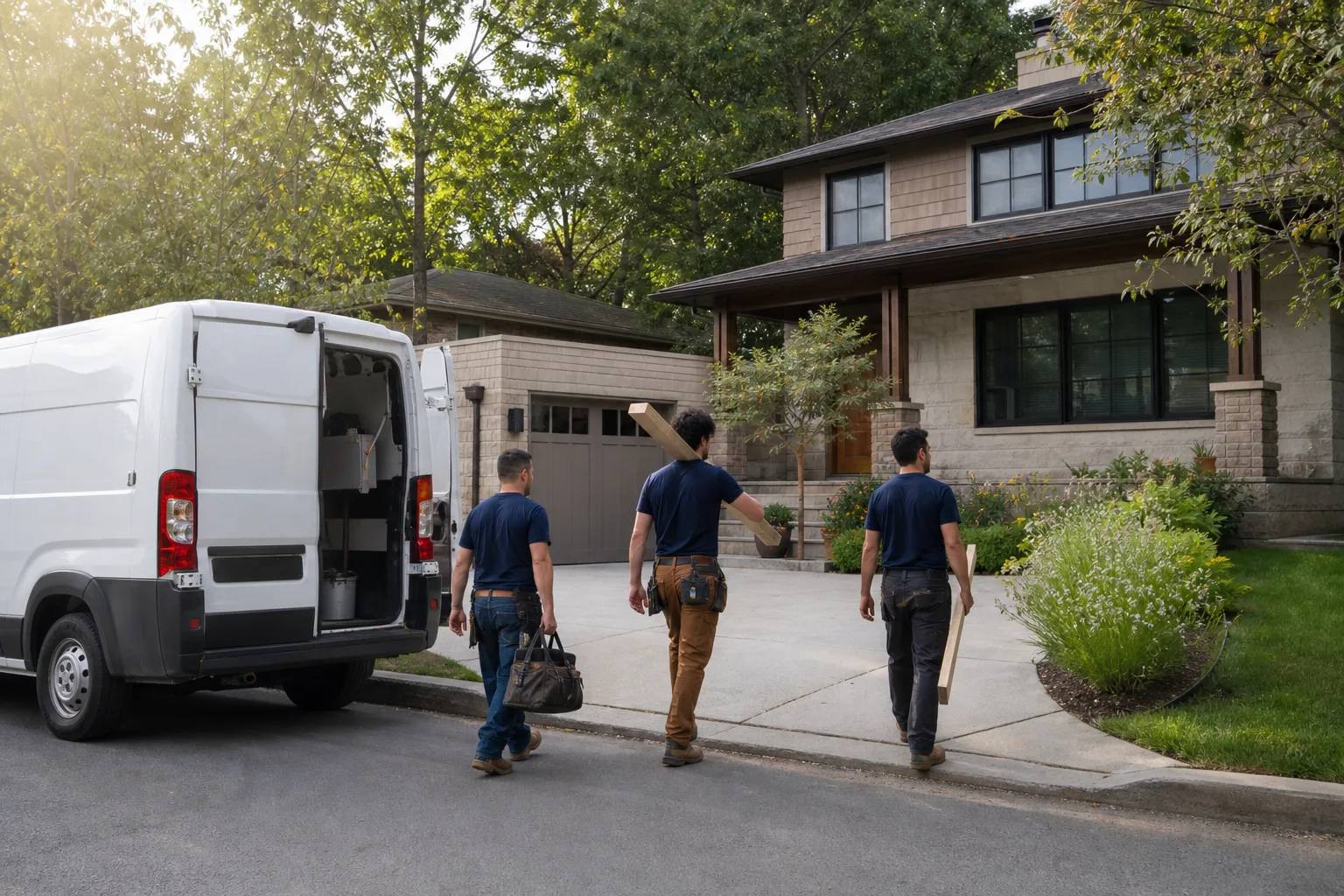
A licensed GC carries workers’ comp, general liability, and a bond. If something goes wrong, there’s a policy standing behind the work. An unlicensed handyman typically carries none of that, and under NRS 624 the homeowner inherits the exposure. We’ve built our process around the visible proof of that difference: a technician who arrives in a Sawyer uniform with a background check on file knows exactly who they are and what covers them. That’s what protects the homeowner when a project runs into an unexpected problem. You can learn how we run whole-home renovation projects under our remodel process if you want the full picture.
Common Local Scenarios, and Who to Call
A homeowner near Aliante wants her 2006 tract-home bathroom refreshed – same footprint, new tile, new vanity. Materials alone push it to the threshold, so it’s a licensed GC job. A family in a build-to-rent subdivision off the Apex corridor needs a drywall patch and a door that won’t latch. That’s a handyman. A homeowner off the 215 has a shower pan that’s been weeping into the slab for a year. That’s a licensed GC, and it’s likely the most expensive kind of lesson about unlicensed work.
For the full licensed side, our team handles bathroom remodeling and whole-home renovation – countertops from Cambria, Silestone, and Caesarstone, plus cabinets from KraftMaid and Wellborn, fixtures from Kohler, Moen, and Grohe, all with manufacturer backing. Roofs come together with GAF, CertainTeed, Owens Corning, or IKO shingles on stucco-on-frame homes. Concrete and driveway work, exterior repair, and additions are all on the GC side of this line.
Every project of ours runs on The Relay Visibility Guarantee: a live arrival time, photo updates before and after, and a written price before a tool comes out of the case. The number on the invoice is the number you approved. If it’s not done right, we make it right under the 365-Day Done Right Promise. Our technicians have up to 21 years of experience, and the phone is answered by a live person around the clock.
FAQs
A handyman job is any project that stays under $1,000 in combined labor and materials and doesn’t require a permit. Door hardware, drywall patching, minor paint touch-up, and small repairs fit. Once a single project or a series of related projects crosses $1,000, Nevada requires a licensed contractor, and the work needs proper permitting. Call (844) 834-9656 if you’re unsure which side of that line your project lands on – a free estimate settles it.
Most homeowner’s policies exclude damage caused by an unlicensed contractor, so the homeowner usually pays. That’s the specific risk in North Las Vegas, where slab-on-grade bathroom failures spread across the concrete and into adjacent walls. A licensed GC carries the insurance and bond that stand behind the work. If you’re weighing repair versus replacement after a failed job, call (844) 834-9656 for a no-pressure assessment.
A licensed GC carries overhead a handyman doesn’t – permits, insurance, and inspections – so the bid runs higher, but the gap often shrinks once you price the risk. A tub-to-shower conversion runs $3,500 to $10,000 with a licensed contractor and includes permit and inspection. A handyman quoting half that leaves you holding the liability. Call (844) 834-9656 for a written price before any work starts.
Yes in most cases – ours is a same-day scheduling model, and the phone line is answered live around the clock. Sawyer Remodel North Las Vegas gives you a written price before work begins and a live arrival time the day of the visit, so you’re not blocking out a four-hour window. Call (844) 834-9656 for a free estimate.
If you’d rather have it looked at, Sawyer Remodel North Las Vegas offers a no-pressure assessment anywhere in North Las Vegas – call (844) 834-9656.
Written by the team at Sawyer Remodel North Las Vegas.