Last updated November 18, 2026








Free written scope consultation - allowances, timeline, and change-order rules on paper before a single trade is scheduled
DIY vs Professional General Contractor: What’s Safe to Do Yourself
YouTube videos make drywall look like a Saturday project. What they don’t show is the $4,200 mold remediation bill that starts when you tape over a moisture barrier that’s still wet, or the resale deal that falls apart because a home inspector in North Las Vegas spots unpermitted electrical work in the panel. The real question isn’t “can I do this myself?” It’s “what does it cost me if I get it wrong?” This guide maps every common remodeling task against the downside of a DIY mistake, not just the upfront savings, so you can decide what’s genuinely safe to handle and what belongs in a licensed pro’s hands.
Quick Answer
You can safely DIY cosmetic, reversible work: demolition, painting, tile removal, cabinet hardware, and landscaping. You should not touch anything that requires a permit, involves fire, gas, water supply lines, or the electrical panel, or that fails the reversibility test below. In Nevada, unpermitted electrical, plumbing, and structural work becomes a legal and financial liability at resale, so the savings rarely survive the disclosure.
Styles & brands we work with
- Kitchen remodeling
- Bathroom remodeling
- Home additions & ADU
- Roofing
- Windows & doors
- Driveway & pavers
- Fence
Table of Contents
- The Reversibility Test: Your DIY Decision Filter
- What Nevada Law Says You Can’t Do Yourself
- Tasks That Are Genuinely Safe to DIY
- DIY Prep Work That Cuts Contractor Labor Cost
- The Insurance Gap: What Your Policy Won’t Cover
- How to Talk to a GC About Splitting the Work
- Why Unpermitted Work Kills Deals at Resale
- North Las Vegas Climate and Soil: The Local Wildcards
The Reversibility Test: Your DIY Decision Filter
Before you pick up a tool, ask one question: if this goes wrong, how bad is the worst case, and can it be undone? That’s the reversibility test. A painted wall in the wrong color is reversible with a $40 gallon of primer and a weekend. A shower pan installed without proper slope is not reversible; it’s a slow leak into your subfloor that shows up as a bubbled hallway baseboard eight months later.
Run every task through three gates:
- Reversibility: Can I undo this with materials and time, or does the fix require cutting open walls?
- Safety exposure: Does the task touch gas, water supply, the electrical panel, or a load-bearing structure? If yes, it’s out.
- Permit and disclosure: Will this require an inspection, and will a future buyer’s inspector flag it? If yes, hire licensed.
In our experience around North Las Vegas, the tasks homeowners regret most are the ones that felt reversible but weren’t. Waterproofing is the classic example. It looks mechanical and straightforward, but a tile shower done without a proper bonded membrane or Schluter edge trim (the metal strip that seals where tile meets floor) will fail within a few years, and the repair cost is triple what a pro would have charged to do it right. Here’s the rule of thumb: if the worst-case outcome costs more than the pro’s invoice, hire the pro.
What Nevada Law Says You Can’t Do Yourself
Nevada regulates construction work more tightly than most homeowners realize. The state requires a licensed contractor for most work over a low dollar threshold that involves structural changes, electrical, plumbing, mechanical, and anything requiring a permit. The North Las Vegas Building Department enforces permits on electrical, plumbing, gas, structural, and mechanical work, and the inspectors don’t care that you watched a tutorial.
What this means in plain terms:
- Electrical beyond a light fixture swap: New circuits, outlet additions, panel work, and rewiring require a licensed electrician and a permit. A swapped-out ceiling fan or a plug-in smart switch is fine.
- Plumbing supply and drain work: Moving a sink, adding a bathroom, or replacing a water heater needs a licensed plumber. Snaking a drain or replacing a faucet is generally acceptable.
- Gas lines of any kind: Never. This is a licensed-plumber job in Nevada, period.
- Structural changes: Removing a wall, adding a beam, cutting a header. This needs engineering and a permit, and it’s a safety issue, not a paperwork one.
The Nevada State Contractors Board can fine homeowners for unpermitted work, and the county can require you to tear it out. If you’re planning a general contractor project in North Las Vegas, the permit path is not optional. We pull permits and pass inspections on every job that requires one, and we’ll tell you upfront which parts of your project legally require a license.
Tasks That Are Genuinely Safe to DIY
Plenty of remodeling work is neither dangerous nor illegal to do yourself. The following tasks are low-risk, reversible, and don’t touch licensed-trade scope:
- Interior painting: Walls, ceilings, trim. Prep, tape, and two coats. Reversible with primer.
- Demolition: Tearing out old cabinets, carpet, drywall, and tile (with the caveat that you check for asbestos and lead in pre-1980 homes before you swing the sledgehammer).
- Cabinet hardware and fixtures: Handles, pulls, towel bars, and most light fixture swaps at an existing junction.
- Tile removal: Chipping up old floor tile with a chisel and hammer. Dusty, sweaty work, but no permit needed.
- Landscaping and hardscape: Gravel, pavers, planting, and drip irrigation lines fed from a hose bib.
- Trim, caulking, and weatherstripping: The kind of finish work that hides small imperfections behind a steady hand and a good caulk line.
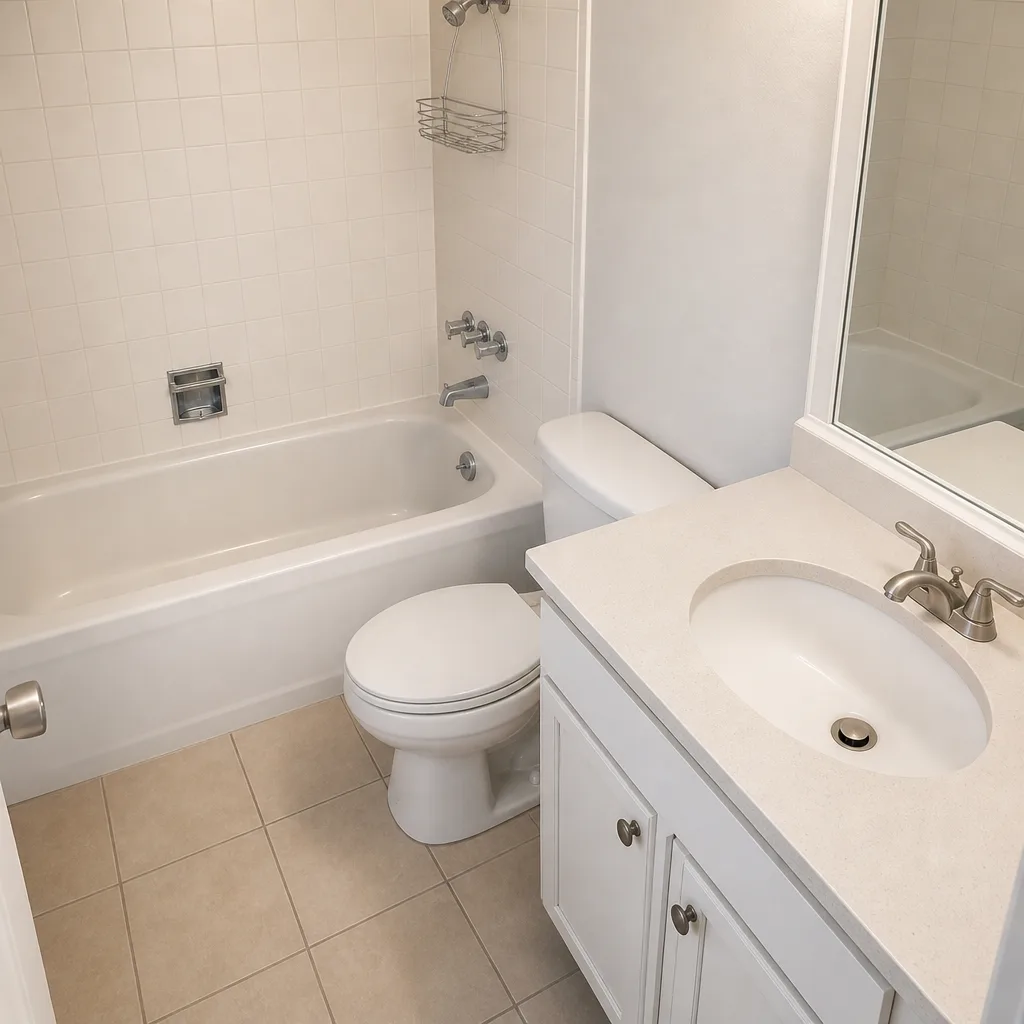
Bathroom and kitchen finishes are where the line gets blurry. A quick refresh, like repainting a vanity or replacing a faucet, is fine. Re-tiling a shower or moving a sink drain is not. If you’re weighing a bathroom remodel in North Las Vegas, the fixtures and finishes are yours to handle; the waterproofing and supply lines should stay with a licensed pro.
DIY Prep Work That Cuts Contractor Labor Cost
Here’s where DIY actually earns its keep: preparation. Demolition, hauling, painting, and material runs are labor-heavy hours a contractor charges for and a homeowner can often do just as well. Ask any GC where the money in a remodel goes, and a big chunk is time: driving to the dump, moving debris, prepping surfaces.
The prep tasks that legitimately lower a pro’s invoice:
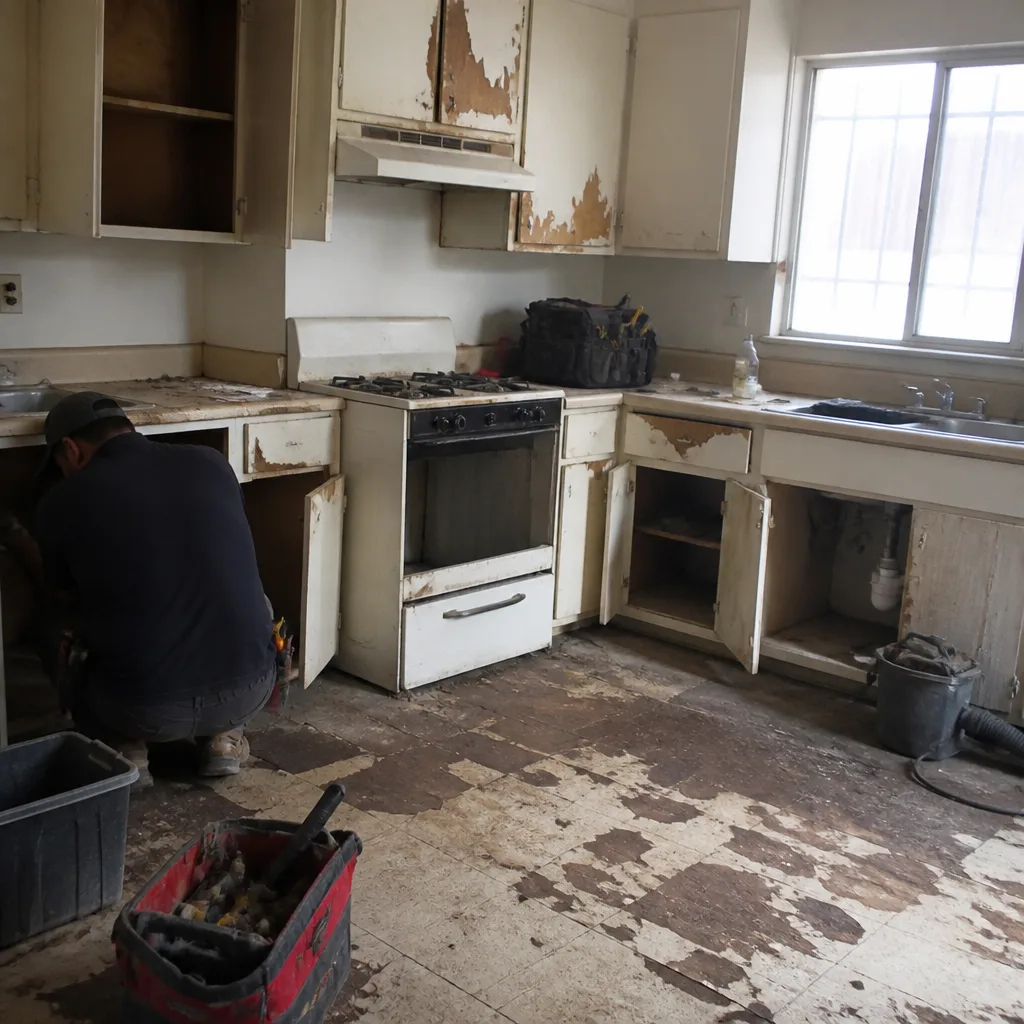
- Demo and haul-away: You tear out the old vanity, cabinets, and tile and stage the debris in the driveway. Confirm your GC’s dumpster or hauler can take it.
- Painting and priming: If the walls are prepped and painted before the crew arrives for finish work, you save the finish-labor hours.
- Tile removal and floor prep: Pulling old flooring gets the subfloor exposed for the crew to assess. Don’t try to level it yourself, but clearing it out helps.
- Material pickups: If you’re supplying your own fixtures, faucets, or grab bars, you save the GC’s time on shopping and coordination.
What prep does NOT reduce: the licensed-trade scope, the permit fees, or the inspection schedule. Those costs are fixed by code and by the inspector’s calendar, not by how much you sweat. A credible GC will itemize which lines are labor you can absorb and which are locked in. We write the price before any work starts, so you can see exactly where your DIY prep moves the number and where it doesn’t.
The Insurance Gap: What Your Policy Won’t Cover
This is the part almost no homeowner thinks about until it’s too late. Unpermitted DIY work, or work done below code, is a coverage gap in most homeowner insurance policies. If your unpermitted addition causes a fire, or your self-installed water heater leaks and floods the kitchen, the insurer can investigate, find the work wasn’t permitted or inspected, and deny the claim or claw back the payout.
Common gaps in North Las Vegas homes:
- Water damage from unpermitted plumbing: A missed supply line under a slab or behind a wall can leak for months. Insurers routinely deny these when the plumbing wasn’t inspected.
- Electrical fire from unpermitted wiring: The adjuster will want to see the permit and inspection record. If there isn’t one, expect a fight.
- Roof leaks from a self-installed skylight or addition: Weather-related damage may be covered, but improper installation is typically excluded.
- Slab foundation cracks after a DIY slab cut: Structural work needs engineering and permitting; insurance won’t cover the fix.
The insurance gap is why “I’ll just do it myself and save a few thousand” so often costs ten times that a year later. Before any DIY project, call your insurer and ask two questions: is this work excluded from coverage if unpermitted, and does the claim process require a permit record? The answers usually settle the debate.
How to Talk to a GC About Splitting the Work
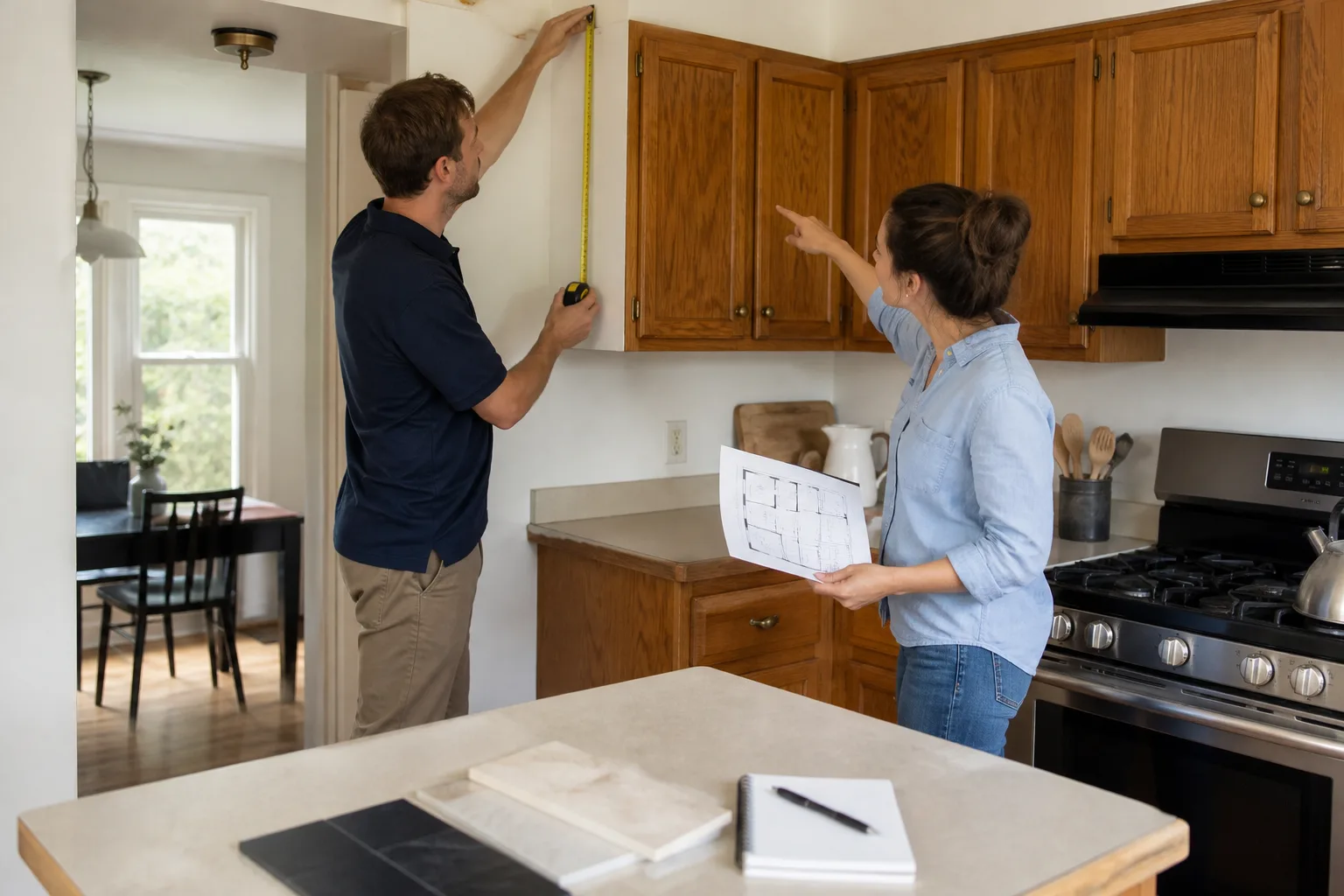
Most homeowners assume saying “I want to do some of this myself” will get them shown the door. It won’t, if you’re straightforward about it and the split is reasonable. The trick is being specific about which tasks you want to own, and being clear that you understand the licensed-trade line.
A straight conversation goes like this:
- Say it early. Mention your DIY plan during the first estimate, not after the crew has mobilized.
- Name the exact tasks. “I’ll handle demo, haul-away, and painting. I want the crew to handle waterproofing, plumbing, and permits.”
- Ask what the GC won’t touch. Most GCs won’t warrant work they didn’t perform, and no credible GC will put their name on unpermitted electrical you did yourself.
- Get it in writing. Which tasks are yours, which are the crew’s, who pulls permits, who supplies materials, and what happens if a task isn’t ready when the crew arrives.
What most GCs will allow: demo, painting, cleanup, and material supply. What they won’t: subbing out licensed-trade work to your cousin, unpermitted work under their permit, or finishing a task they can’t verify. When you’re coordinating a kitchen remodeling in North Las Vegas, agree on the split before the first delivery truck shows up. We ask the question up front and put the answer in the written scope.
Why Unpermitted Work Kills Deals at Resale
Every home inspector in North Las Vegas checks the county permit records. Every buyer’s agent asks for the permit history. Unpermitted work surfaces at the exact moment you’re trying to close, and it can stall or sink a sale.
What happens when an inspector finds unpermitted work:
- The buyer’s lender can refuse to fund the loan until the work is brought to code and inspected.
- The buyer asks for a credit or a price reduction, often more than the work originally cost.
- The county can require you to tear it out or legalize it retroactively, which means opening walls for inspection.
- Disclosure requirements in Nevada mean you may have to disclose the unpermitted work to every future buyer.
The math is unflattering. A homeowner who saves $3,000 doing their own electrical roughed-in can lose $15,000 at resale, or lose the sale entirely. This is the point where “what’s the actual cost of being wrong here?” stops being rhetorical. Permits and inspections are the paper trail that says your remodel is real, and they’re the first thing a buyer’s agent checks.
North Las Vegas Climate and Soil: The Local Wildcards
North Las Vegas homes face conditions that make DIY riskier than a tutorial produced in a mild climate would suggest. The desert swings from 115°F summer afternoons to winter nights near freezing, and the soil is expansive clay that moves with moisture. Both of these punish shortcuts.
Local wildcards worth knowing:
- Expansive clay soil: Slab and foundation work in neighborhoods like Aliante and Providence needs engineering. A DIY slab repair or a footing for an addition can crack under seasonal soil movement. This is not a place to wing it.
- Extreme heat and UV: Exterior finishes, roofing, and sealants take a beating. A roof leak from a DIY patch is a common repair call we get, especially after the first monsoon. Roofing materials from GAF or Owens Corning are built for this climate, but only if installed to spec with proper underlayment and flashing.
- Drywall and moisture: Swamp coolers, irrigation lines, and shower pans are the three moisture sources that cause the most mold in desert homes. Tape before the substrate is dry, and you’re looking at remediation.
- Wind-driven dust and monsoon storms: Poorly flashed skylights and window installations leak first in a storm. This is where DIY installs fail loudest.
When we work in a North Las Vegas home, we plan around these conditions: proper waterproofing membranes, climate-rated materials, and foundations that account for the clay. A tutorial filmed in Ohio doesn’t know your soil.
Common Mistakes to Avoid
- Taping drywall before it’s dry. In North Las Vegas’s dry heat, homeowners assume drywall “dries fast.” It doesn’t dry from the surface down; moisture trapped behind the tape causes mold blooms that show up weeks later in the corner of the room.
- Skipping the permit to save a few hundred dollars. The permit isn’t a tax; it’s the inspection record that protects your resale and your insurance claim. Skipping it costs far more than the fee.
- Doing electrical work yourself because it “looks simple.” Swapping an outlet is one thing; adding a circuit or touching the panel is another. Unpermitted electrical is the single most common reason home sales stall in North Las Vegas.
- Installing a tile shower without a waterproof membrane. Tile is not waterproof. The layer beneath it is, and DIYers skip it constantly. A failed shower pan is a $4,000+ repair.
- Attempting foundation or slab work in expansive clay soil. This is engineering territory, not weekend territory. The soil here punishes shortcuts with cracks that show up a year later.
- Buying materials without confirming they’re in the GC’s scope. If your GC is providing the tile and you buy your own, ask which it is in writing. Duplicated material buys and mismatched lots are a common source of tension.
- Assuming insurance covers the fix if a DIY goes wrong. Most policies exclude unpermitted work. Call your insurer before the demo, not after the flood.
See the difference
 Before
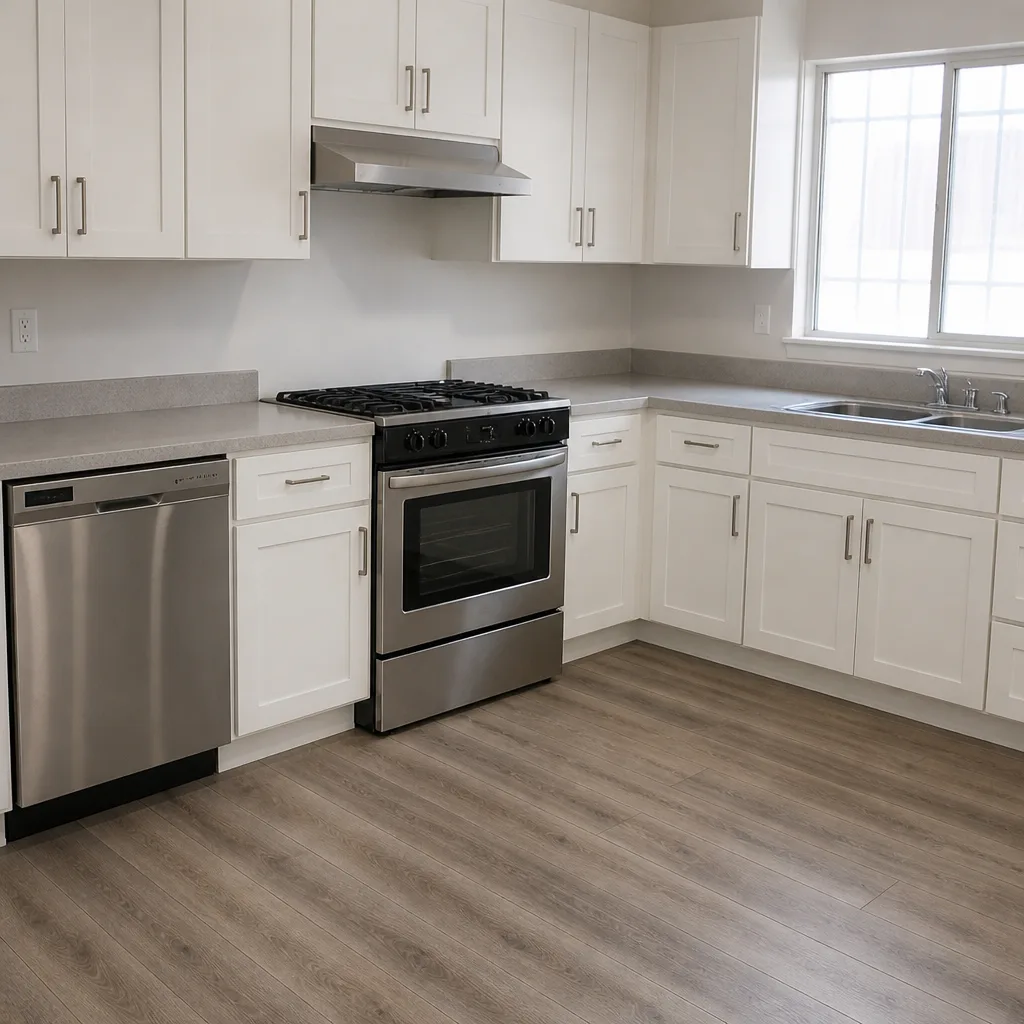 After
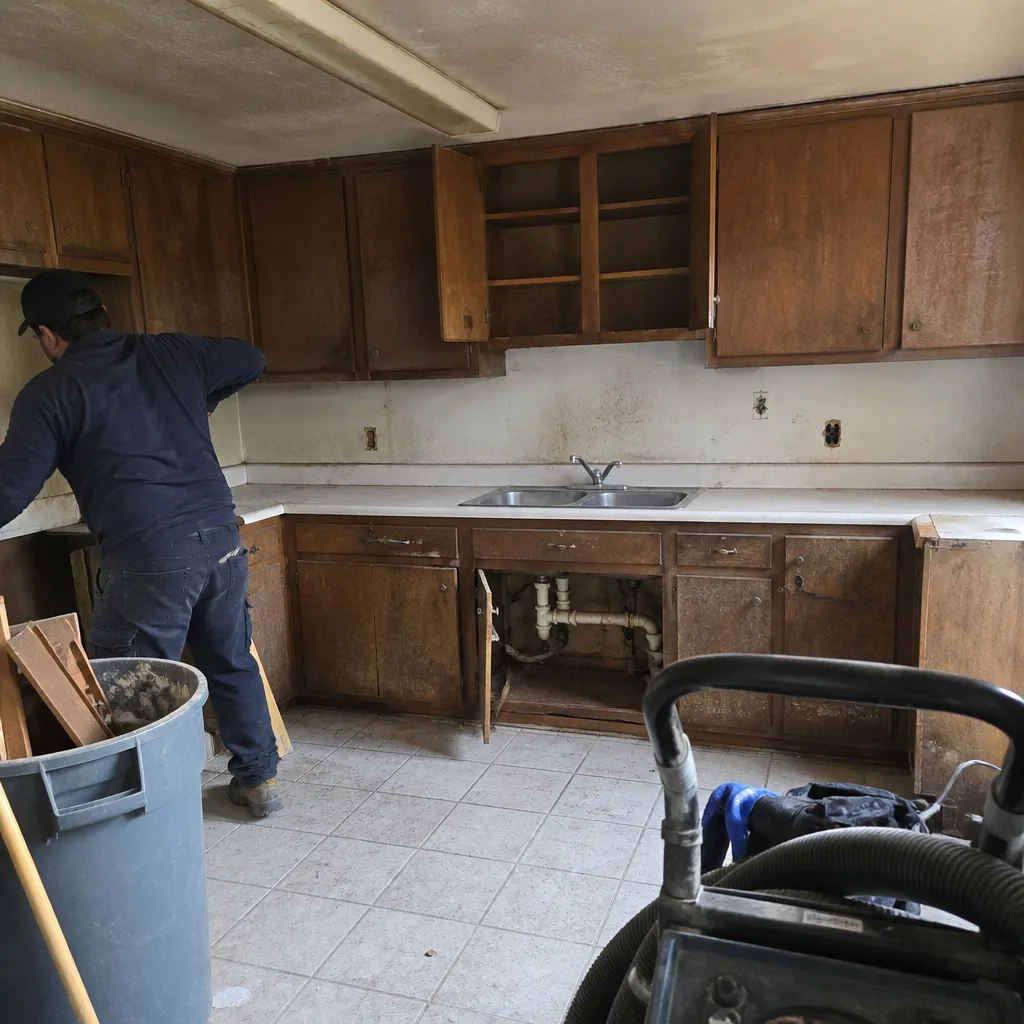 Before
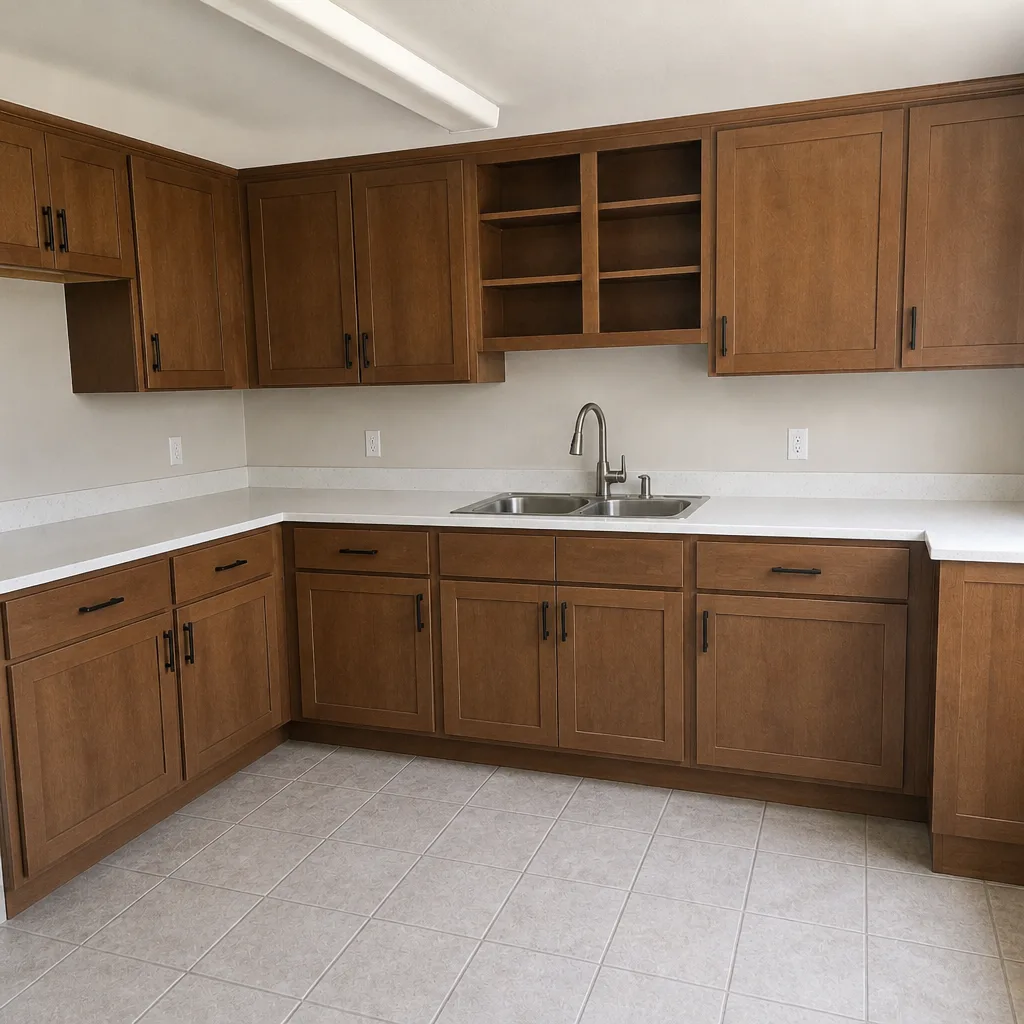 After
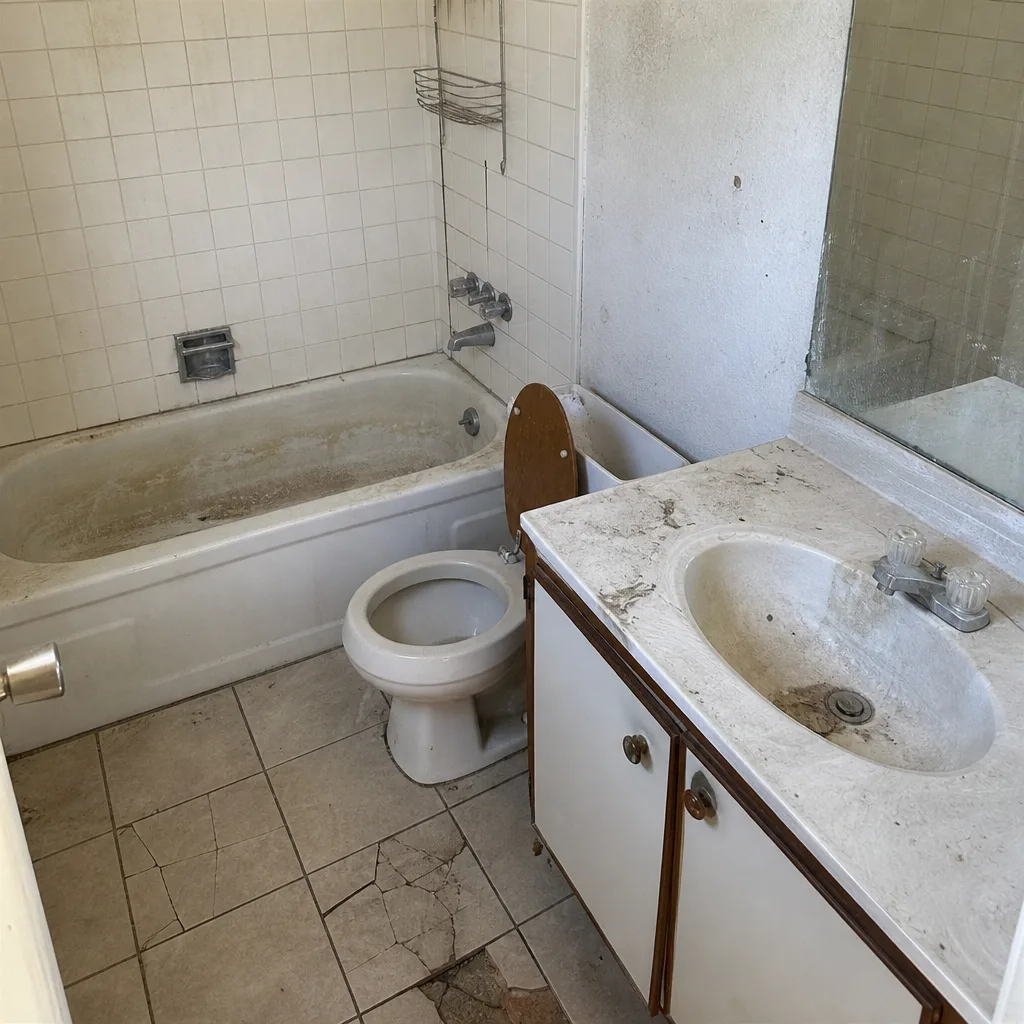 Before
 After
When to Call a Professional
Call a licensed professional the moment your project touches gas, the electrical panel, plumbing supply or drain lines, structural walls or foundations, or requires a permit. Also call when the fix is irreversible or the worst-case outcome is expensive: shower waterproofing, roof penetrations, slab work, and anything that will be inspected at resale. In North Las Vegas, the soil, the heat, and the permit requirements make these calls more urgent than in most markets. Sawyer Remodel North Las Vegas offers free estimates in North Las Vegas. Call (844) 834-9656 to schedule your free estimate, and we’ll tell you plainly which parts of your project you can handle and which parts you shouldn’t. Estimates are free, and the written price lands in your hands before any work starts.
Frequently Asked Questions

Do cosmetic and reversible work yourself: painting, demolition, tile removal, cabinet hardware, and landscaping. Hire a licensed contractor for anything that requires a permit or touches gas, electrical beyond a fixture swap, plumbing supply and drain lines, structural changes, roofing, and foundations. If the worst-case outcome costs more than the pro’s invoice, hire the pro. Call (844) 834-9656 for a free estimate that tells you exactly which tasks fall on which side.
No, not beyond a light fixture or plug-in device swap. Adding circuits, outlets, or panel work requires a licensed electrician and a permit from the North Las Vegas Building Department. Unpermitted electrical work is one of the most common reasons home sales fall apart at resale, and insurers can deny claims tied to it. Call (844) 834-9656 and we’ll put the licensed scope in writing before any tool comes out.
Most will, within limits. Demo, painting, and material supply are usually fine. What a GC won’t allow is unpermitted work under their permit, plumbing or electrical done by a non-licensed “friend,” or finishing work they can’t verify and warrant. Get the split in writing before the crew mobilizes. Our team will tell you plainly which parts of your North Las Vegas home project you can handle.
Yes, and it can delay or sink a sale. Inspectors check permit records, and buyers’ lenders can refuse to fund until work is brought to code, meaning you may have to open walls for inspection. Nevada also has disclosure requirements, so the unpermitted work may follow you through every future sale. Call (844) 834-9656 to discuss what’s actually permitted for your project.
Failure costs usually run three to ten times the pro’s invoice for the same task. A tile shower done without a waterproof membrane is a $4,000+ repair; mold remediation from taped-over wet drywall can hit $4,200 or more; unpermitted electrical can cost you a sale. The savings rarely survive one mistake. Call (844) 834-9656 for a free estimate so you can compare the real numbers.
If you’re moving plumbing, adding electrical circuits, or making structural changes, yes. Cosmetic work like paint, fixtures, and tile replacement on existing surfaces generally does not require a permit. When in doubt, ask the Building Department or a licensed contractor before you start. Our technicians have up to 21 years of experience, and we’ll walk through what’s permitted on your North Las Vegas bathroom remodel.
The Bottom Line
The question isn’t whether you can do a task yourself. It’s what it costs you if you get it wrong. Paint, demo, tile removal, and prep work are yours for the taking, and they’ll cut a labor line off your invoice. Gas, electrical beyond a fixture, plumbing supply lines, structural work, waterproofing, and foundations belong to a licensed pro, and in North Las Vegas, the permit and insurance consequences make that line non-negotiable. Unpermitted work survives until resale, and then it costs more than the pro would have charged. Run every task through the reversibility test, have a straight conversation with your GC about the split, and put the answer in writing. Sawyer Remodel North Las Vegas offers free estimates, a written price before work starts, and photo updates before and after on every job. We’ll tell you what to DIY and what to hand off.
Written by the team at Sawyer Remodel North Las Vegas.