Last updated November 18, 2026








Free written scope consultation - allowances, timeline, and change-order rules on paper before a single trade is scheduled
General Contractor Warning Signs Every Homeowner Should Know
Most advice about bad contractors focuses on the obvious: no license, cash-only demands, a quote scribbled on a napkin. Those are real red flags, and you should walk away from all of them. But after enough years on job sites, we’ve learned the contractors who hurt homeowners most are the ones who pass the basic checklist. They have a clean license, a real address, and a polished estimate. Then they show you who they really are in the first two weeks of the job. This guide covers the warning signs that predict invoice surprises, ghosting, and unpaid-subcontractor liens before they cost you money in North Las Vegas or anywhere else.
Quick Answer
The warning signs of a bad contractor usually show up before and during the first two weeks of work, not at the initial handshake. Vague line items, missing exclusions, no allowance callouts, delayed starts, unnamed subcontractors, and skipped walk-throughs are all signs the contractor will disappear later. The most expensive one is the mechanic’s lien gap: paying a general contractor in full while their subcontractors go unpaid.
Styles & brands we work with
- Kitchen remodeling
- Bathroom remodeling
- Home additions & ADU
- Roofing
- Windows & doors
- Driveway & pavers
- Fence
Table of Contents
- Why the License Check Isn’t Enough
- The Estimate Red Flags That Predict Invoice Surprises
- Behavioral Tells in the First Week of a Job
- How to Verify Subcontractor Relationships
- The Lien Waiver Gap: Why Paying the GC Is Not Enough
- How a Legitimate Contractor Handles a Complaint
- The Paper Trail Every Contractor Should Hand You
- Common Mistakes to Avoid
Why the License Check Isn’t Enough
A Nevada State Contractors Board record is the floor, not the ceiling. Unless a contractor is licensed, insured, and bonded through the NSCB, stop reading and walk away. But a clean record tells you almost nothing about how that contractor communicates, documents changes, coordinates subcontractors, or behaves when a pipe bursts at 4 p.m. on a Friday. Those are the areas where North Las Vegas homeowners get burned most often.
We’ve walked into plenty of half-finished renovation projects around North Las Vegas where the original contractor was fully licensed and still managed to blow up the budget – usually through silent scope changes and vanished workdays, not outright fraud. The license was fine. The behavior wasn’t.
There’s a North Las Vegas-specific wrinkle here. Since 2017, Clark County and the city of North Las Vegas have accelerated permit review for residential remodels in the older neighborhoods like Highland Hills and the areas off Carey Avenue, which means projects get cleared to start fast. Fast starts are fine, but they also remove the natural thinking time that used to catch bad paperwork. If your contractor is pushing you to sign and pull permits before the drawings are settled, ask why. That urgency is often self-serving.
The bigger pattern to watch: licensed contractors who rely on your lack of technical vocabulary. When a project is described with vague words (“premium finishes,” “upgraded cabinetry,” “standard electrical”), the contractor has just given themselves room to substitute a cheaper product later. The written price only protects you if the written scope does too. If you want to see how a properly written scope reads on paper, look at how a General Contractor in North Las Vegas itemizes a project line by line.
The Estimate Red Flags That Predict Invoice Surprises
The invoice surprise is almost always baked into the estimate. You just need to know where to look. A homeowner who reads the estimate closely can spot four warning signs in about ten minutes.
- Vague line items. “Bathroom remodel: $18,000” tells you nothing. A real estimate breaks out demo, rough plumbing, tile, fixtures, and labor. If your estimate has fewer than a dozen line items for a full bathroom, ask for the breakdown before you sign.
- No allowance callouts. Allowances are pre-set budgets for items you haven’t picked yet, like tile or lighting. A contractor who doesn’t list allowances either hasn’t thought the project through or is going to hit you with a change order once you pick a $40 tile instead of the $8 one they had in their head.
- Missing exclusions. Every estimate should say what is NOT included. Permits? Dump fees? Drywall repair after plumbing? If every possible extra is left undefined, that ambiguity becomes your problem later.
- No stated start or finish date. “Starting soon” is not a date. Get a written window and a milestone schedule.
We’ve watched North Las Vegas homeowners end up on the wrong side of a $6,000 surprise because “cabinet installation” in the estimate meant installation only, with the cabinet boxes billed separately. That’s not fraud. It’s a bad estimate doing exactly what it was written to do: hide the true total until you’re too committed to walk away.
The fix is simple. Ask for a fixed written scope with line items, allowances, exclusions, and a completion schedule. A contractor who resists that isn’t a contractor worth hiring. If a contractor hesitates on the documentation, that’s your signal to keep shopping. The Bathroom Remodeling in North Las Vegas page on our site shows how we format the same documents every time.
Behavioral Tells in the First Week of a Job
The first week is a preview. A contractor who’s disorganized on day one is disorganized on day fifty. The complaints we hear most often from homeowners who called us after a failed project all trace back to a predictable first-week pattern.
- Delayed starts with no communication. Every contractor has schedule drift. The difference is whether you find out by phone call or by staring at an empty driveway.
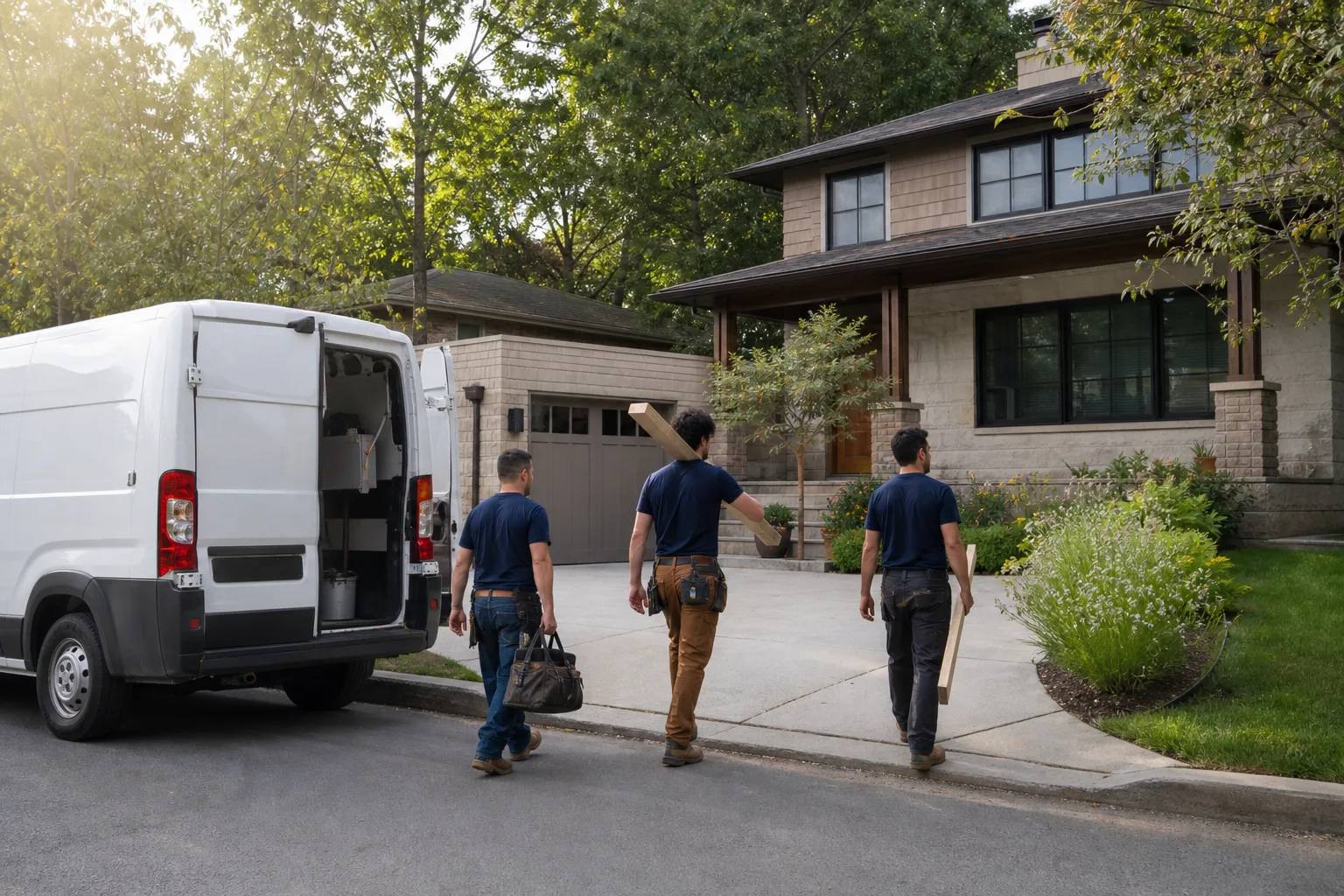
- No introductions to subcontractors. A general contractor who can’t name the plumber, electrician, or tile setter who will actually be in your home is either hiding a staffing problem or hasn’t lined up the work.
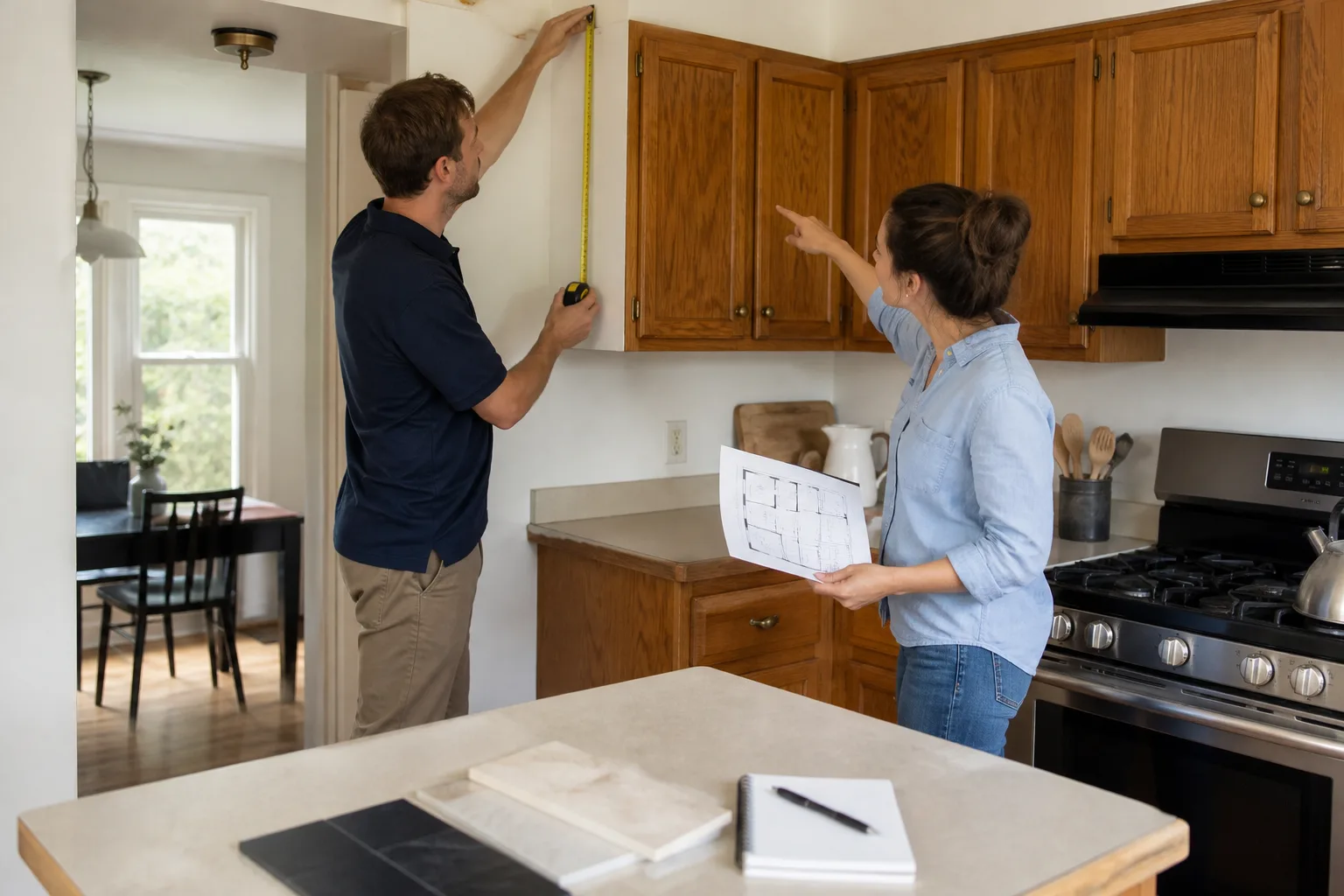
- Skipped pre-work walk-throughs. Before demo day, the GC should walk the space with you, review a written scope, and confirm access, parking, and materials. A contractor who skips that is telling you exactly how they handle communication.
- No daily check-in. Not hour-by-hour, not a live feed. A one-line text at the end of the day saying what got done and what’s next. Contractors who can’t manage that will not manage your schedule either.
- Trash accumulating. Drywall dust and demolition debris piling up over multiple days isn’t a personality quirk. It’s an early indicator of how the contractor handles the boring parts of the job, and the boring parts are where quality lives.
In North Las Vegas, the tell we watch most closely is how a contractor addresses the heat. From May through September, the desert sun pushing 110 degrees changes the workday. Concrete placement, exterior caulking, and even paint curing have to be scheduled around it. A GC who doesn’t mention heat scheduling in the first week either hasn’t done many summer projects here or is planning to rush the parts of the job that punish rushing.
How to Verify Subcontractor Relationships
A general contractor is only as strong as the trades behind them. If your GC can’t name their plumber, electrician, drywaller, and tile setter upfront, you’re looking at a broker, not a builder. Sometimes that’s fine. Often it’s a liability.
Here’s what to ask before work starts:
- Who will be on-site, and are they employees or subcontractors? Either answer is fine. Side-stepping the question isn’t.
- Are the subcontractors licensed and insured separately? Nevada requires specialty licensees for plumbing and electrical work. A GC who pulls unlicensed labor onto the job exposes you to liability if someone gets hurt.
- How long have they worked with these subs? New subcontractors aren’t automatically a problem, but a GC who meets their crew for the first time at your front door is.
- Can I get the sub’s names in writing before work begins? This is the request that flushes out the pretenders. Contractors with real relationships will hand you the names. Contractors without them will stall.
Why it matters in practice: a poorly vetted subcontractor is more likely to walk off mid-project, be unpaid, or file a lien – which we’ll cover next. And in older North Las Vegas neighborhoods, subs familiar with the actual housing stock matter more. A plumber who knows the original copper in mid-century homes off Rancho Drive is not interchangeable with one who works mostly on new construction in the north city.
Good contractors hire the same core trades for years. Ask any remodeling company to tell you who’s likely on your job and why. The good ones answer without flinching.
The Lien Waiver Gap: Why Paying the GC Is Not Enough
Here’s the scenario that catches more North Las Vegas homeowners than any other: you pay the general contractor in full. Then a few weeks later, a subcontractor files a mechanic’s lien against your house because the GC never paid them. In Nevada, that lien can attach to your property even though you’ve already paid every dollar.
This is the most expensive misunderstanding in construction finance. A payment to the GC doesn’t automatically clear the property. Under Nevada law, anyone who supplied labor or materials on your project – the plumbing sub, the tile supplier, the trash hauler – can record a lien if they aren’t paid. Your checkbook is not their protection. The lien waiver is.
What to do:
- Request conditional lien waivers with every draw. A conditional waiver says the sub releases lien rights once the check clears. It’s signed at the same time the payment goes out.
- Request unconditional waivers when payment clears. These finalize the release and close the loop on that draw.
- Ask for the list of suppliers and subs who will be on your job. If the GC can’t name them, they can’t get waivers from them.
- Hold back a small retainage until final lien releases come in. A standard practice in commercial work that belongs on residential projects too.
Bathroom and kitchen remodel draws are where this problem shows up most often, because the schedule has three or four payments and the sub payments don’t always line up with the dates you sign the checks. If you’re in a whole-home renovation, the lien exposure multiplies because the number of trades grows. That’s one reason we run every job under The Relay Visibility Guarantee with a written price and photo updates on each stage – the homeowner can see exactly which trades are working and when, so the paperwork lines up with reality.
If your GC looks uncomfortable when you ask about lien waivers, or says “that’s not how we usually do it,” that’s the warning sign. Licensed contractors in Nevada know exactly what a lien waiver is. Ask how they handle them, and listen.
For a closer look at how a properly run renovation ties permits, subs, and staged payments together, see our Kitchen Remodeling in North Las Vegas page.
How a Legitimate Contractor Handles a Complaint
Every project hits a problem. A tile cracks. A cabinet shows up wrong. A plumber misses a rough-in. The way a contractor responds to the first complaint tells you everything about the next six months.
Here is what a good response looks like:
- Same-day acknowledgment. Not a full fix – just confirmation that the message was received and someone is looking at it.
- A specific plan with a date. “We’ll come by Tuesday at 9 to look at it” beats “we’ll get to it” every time.
- No blame-shifting. A good GC owns the outcome even when a subcontractor caused it. You hired the GC, not the sub.
- A written follow-up. After the visit, a short note describing what was done.
- No invoice before resolution. Nobody pays for a repair the contractor is still fixing.
The bad pattern looks like this: defensive language (“that’s how tile always looks”), delay tactics (“we’ll get to it when we’re back on that side of town”), then disappearance – the phone stops ringing back, the site goes quiet, and eventually someone else has to finish the work. We’ve seen this pattern play out on kitchen projects across North Las Vegas, and it’s usually not one catastrophic failure but a hundred small ones that never get addressed.
A real contractor answers the phone, or at least returns the call the same day. We keep that as a standing commitment – live answering around the clock on every project – because the alternative is the voicemail spiral every homeowner already dreads.
The Paper Trail Every Contractor Should Hand You
Before a single tool goes into your home, you should be holding a stack of documents. If any of these is missing, that’s a sign – not necessarily a dealbreaker, but a signal to slow down and ask questions.
- A written, line-item price. Not verbal, not a text, not “we’ll come in around $25K.”
- A signed scope with exclusions. What’s included, what’s not, and what would trigger a change order.
- A start date and a completion window. In writing.
- Proof of insurance and bond. For the GC and for any sub on the job.
- NSCB license number for the GC and any licensed specialty trades.
- A stated workmanship warranty. Length, what’s covered, and how to file a claim.
- The name and phone number of the person who answers a complaint.
When those documents are on file before work starts, you have leverage on every later decision. When they aren’t, you’re relying on trust alone, which is exactly the situation a bad contractor prefers.
If a contractor hands you a folder with all of these and walks you through the whole thing without prompting, that’s a good sign. If you have to chase half the list, or the response to any of them is “we’ll get that to you later,” stop. Whatever they say about their reputation, the paperwork is the reputation.
You can see how we run this on a live project by visiting our Sawyer Remodel North Las Vegas home page. It’s the short version of what we hand every homeowner on day one.
Common Mistakes to Avoid
- Hiring on the lowest bid alone. North Las Vegas has a competitive contractor market, and a quote that comes in 30% under the others is not a bargain – it’s a forecast. Either the scope is thin or the change orders are coming.
- Skipping the permit. Unpermitted work in North Las Vegas is a real liability at resale. Buyers’ inspectors find it, and the fix is on you, not the contractor who skipped the paperwork.
- Paying a big deposit before any work starts. Nevada law limits deposits for licensed contractors. If you’re being asked for 50% up front, ask for the statute.
- Letting the crew use your bathroom as a staging area. Sounds small. In practice, it’s a leading indicator of a GC who doesn’t think about your daily life.
- Failing to keep written records of every conversation. A text saying “yes, go ahead” is a contract amendment. Save them all.
- Accepting “we’ll finish it after the holidays” without a written date. Every week of silence is a week the subcontractor’s lien clock is ticking.
- Not asking for lien waivers with draws. The single biggest mistake we see in the North Las Vegas market, and the one that costs the most when it goes wrong.
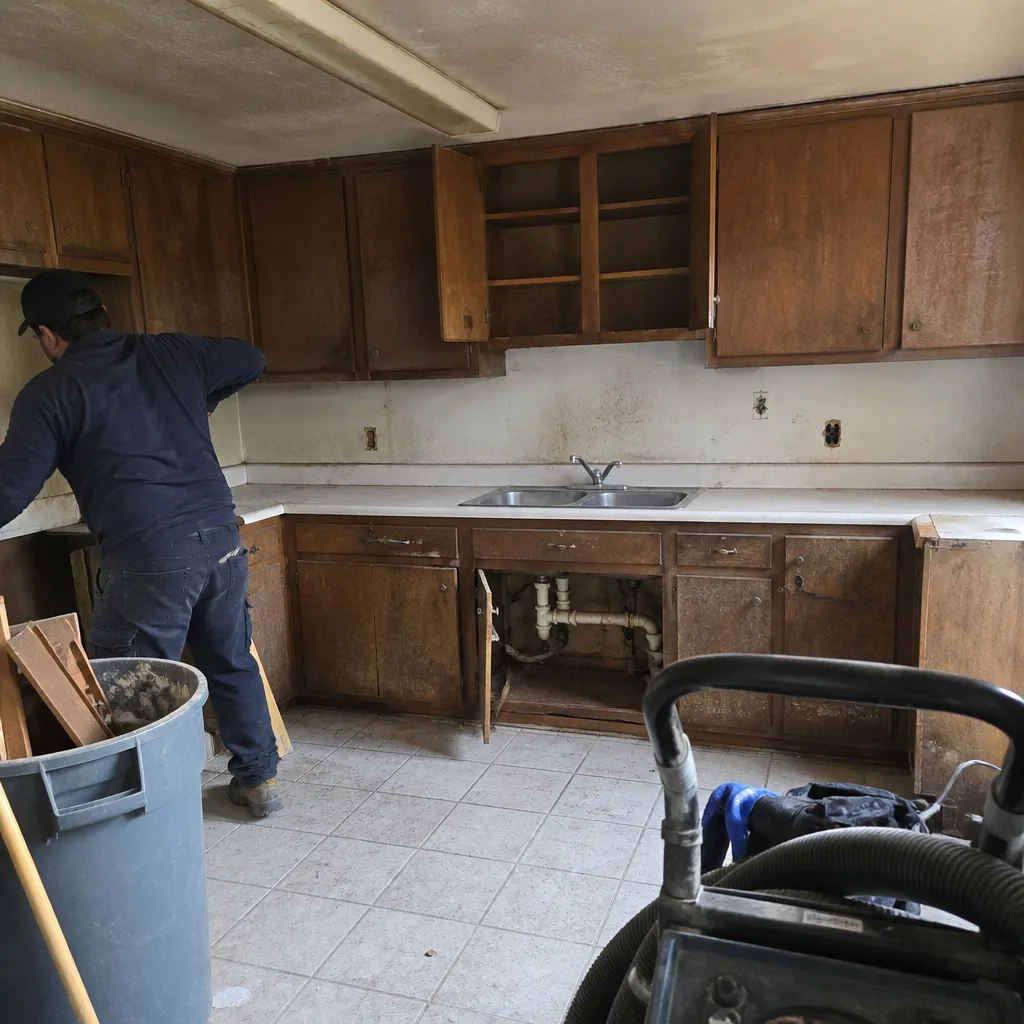
See the difference
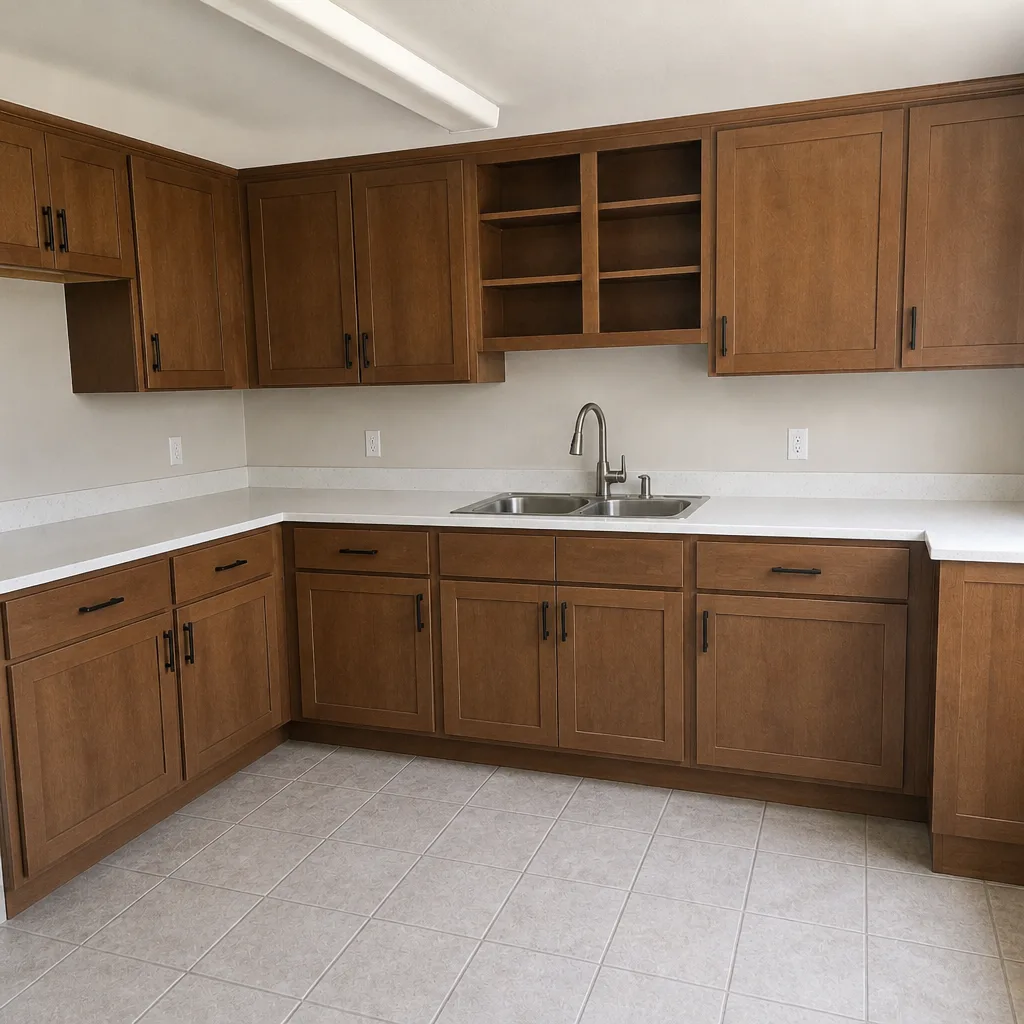
 Before
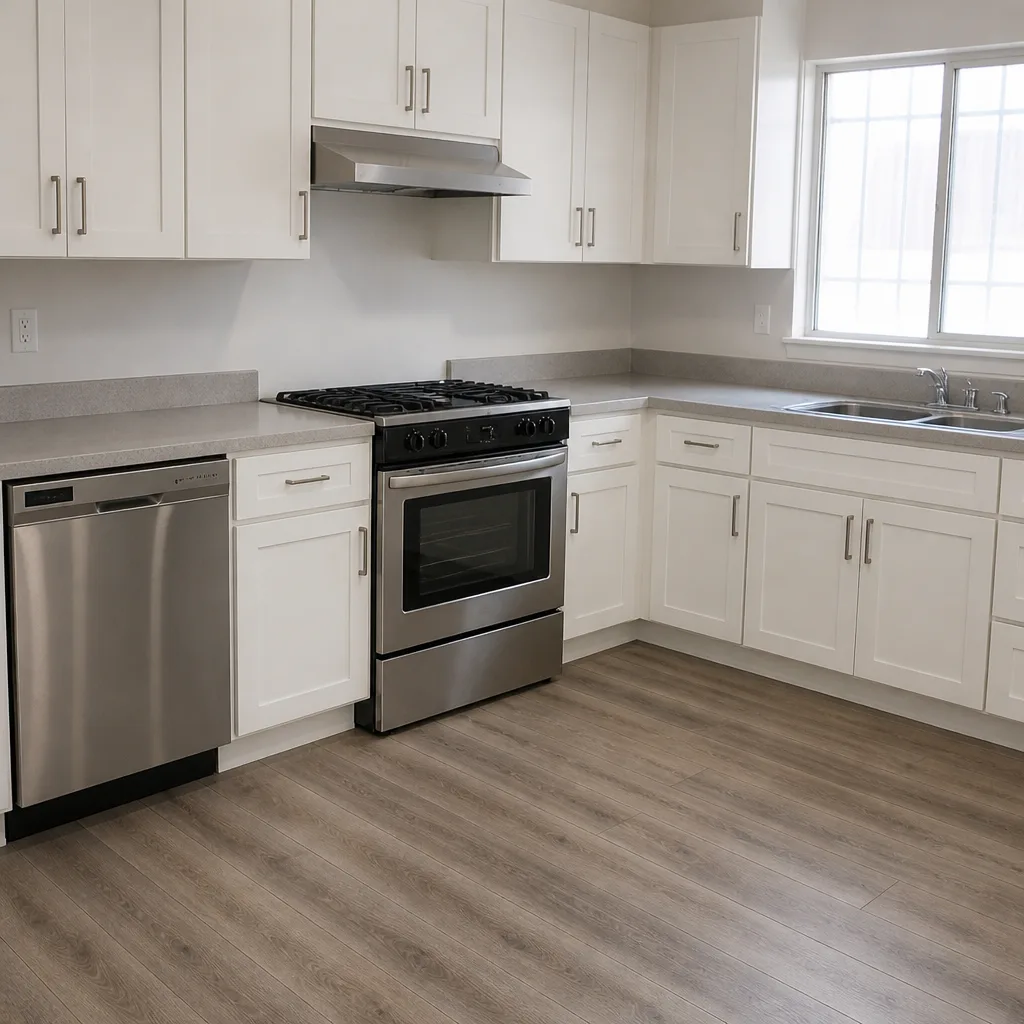 After
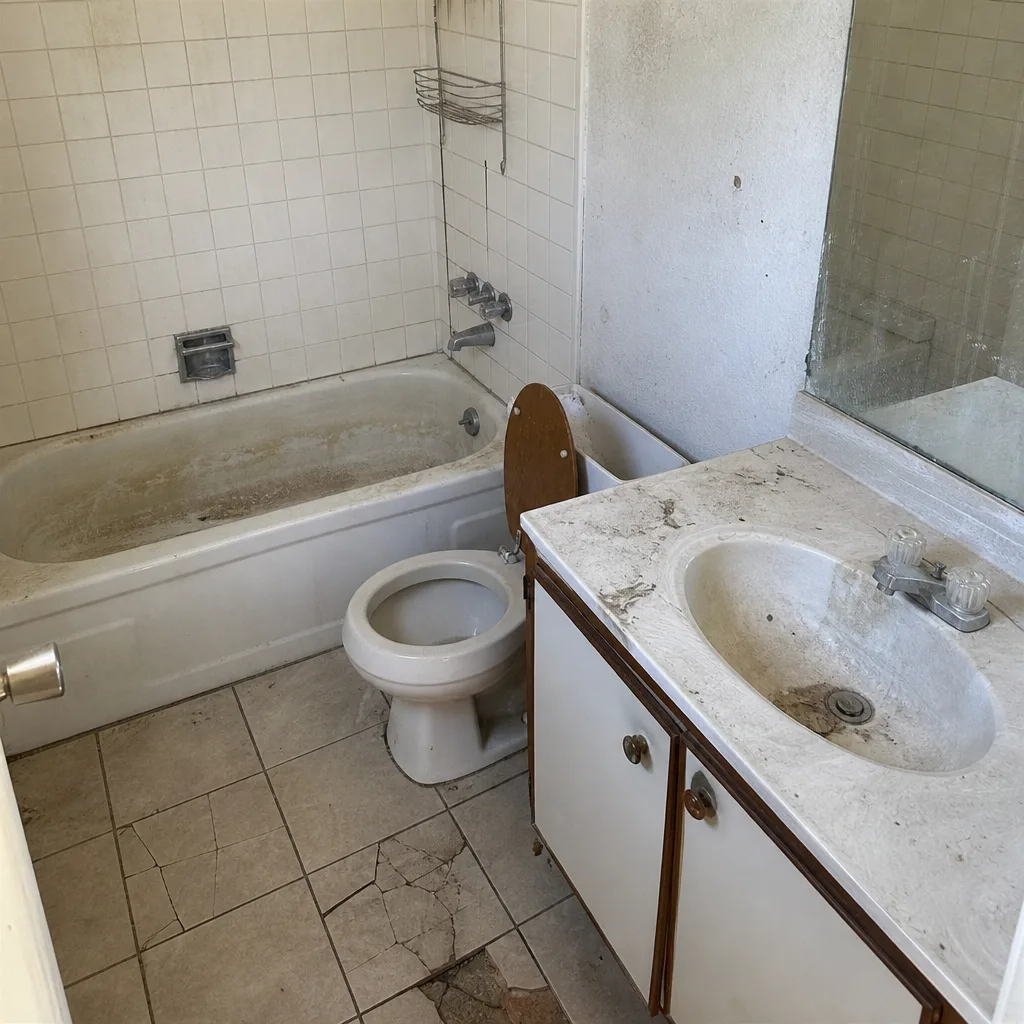
 Before
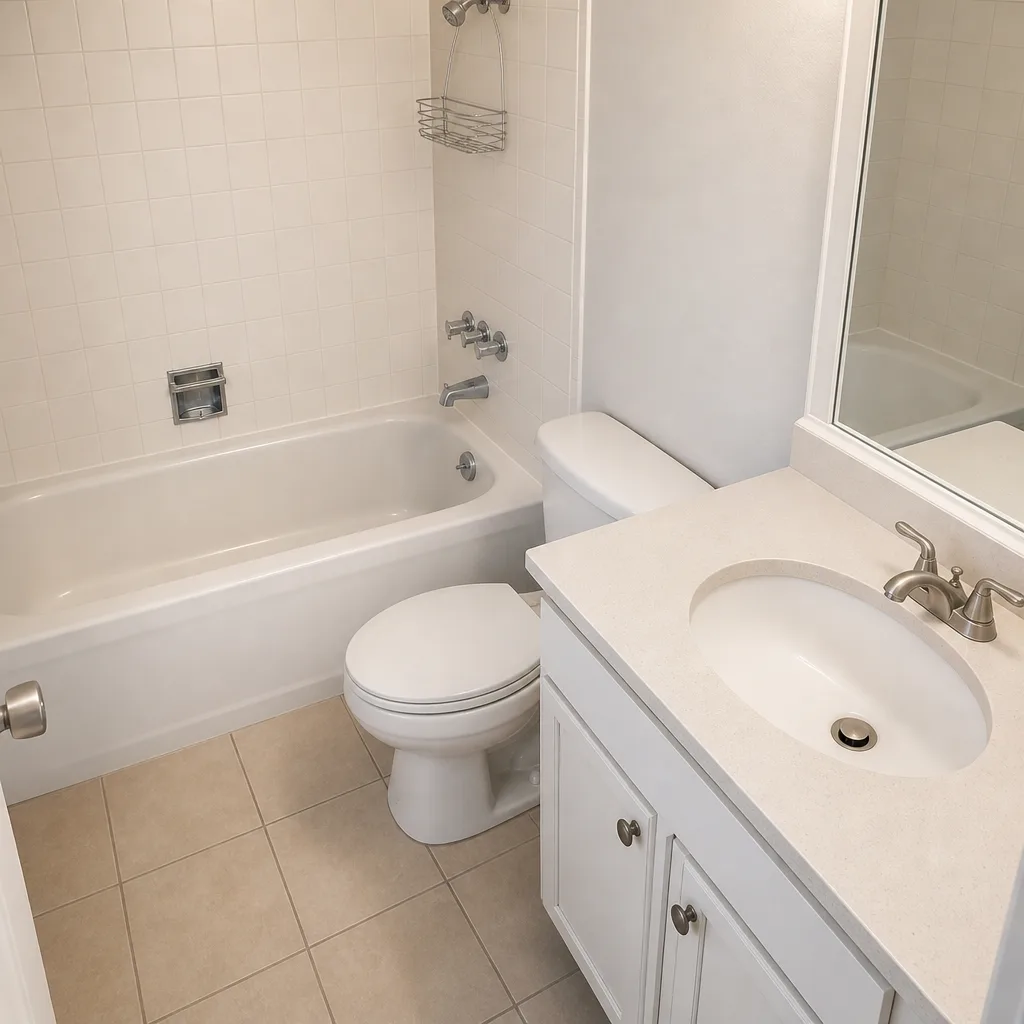
 After
 Before
 After
When to Call a Professional
Call a professional contractor before demo, not after. If you’re planning a bathroom or kitchen remodel, if a previous contractor left work half-finished, if a plumbing or electrical issue surfaced during another job, or if you’re dealing with a lien dispute or a permit complication – those are the moments when a licensed, insured GC saves more money than they cost. If a repair has failed twice, or a sub has gone quiet on you, call before starting over; the diagnosis usually matters more than the new labor. DIY is fine for paint and fixtures. It’s not fine for structural changes, gas lines, electrical panels, or anything that requires a permit in North Las Vegas. Sawyer Remodel North Las Vegas offers free estimates in North Las Vegas – call (844) 834-9656 to schedule yours.
Frequently Asked Questions
Vague line items in the estimate. A contractor who can’t (or won’t) break down the price into materials, labor, allowances, and exclusions is either unfamiliar with the project or planning to expand the price later. If the estimate has fewer than a dozen lines for a full renovation, ask for a detailed breakdown before you sign anything. A contractor who pushes back on that request is telling you exactly how they’ll handle the project. Call (844) 834-9656 for a free written estimate from a contractor who itemizes every line.
General contractor rates in North Las Vegas usually run $60 to $120 per hour for labor, with remodeling projects typically quoted as a fixed project price rather than hourly. A full bathroom remodel generally lands between $12,000 and $35,000, and a full kitchen remodel runs $30,000 to $90,000 depending on size, materials, and whether the layout changes. Whole-home renovations can exceed $200,000. Any contractor who won’t put a range in writing before you commit is a warning sign in itself. Call (844) 834-9656 for a written price before any work starts.
Look them up on the Nevada State Contractors Board website by name or license number. The record shows license status, classifications, and any disciplinary history. Ask your contractor for the license number in writing, then verify it yourself. A clean record is the floor, not the ceiling, so pair that lookup with the estimate review and subcontractor questions covered in this guide. The contractor should not hesitate to give you the number. Call (844) 834-9656 if you want to walk through a written scope with us first.
A mechanic’s lien is a legal claim against your property by anyone who supplied labor or materials on your job and wasn’t paid. It can attach to your home even if you already paid the general contractor in full. Protect yourself by requesting conditional lien waivers from every subcontractor and supplier with each draw, and unconditional waivers once payment clears. Hold a small retainage until final waivers come in. Skipping this step is the single most expensive mistake we see in North Las Vegas. Call (844) 834-9656 to ask how we handle lien waivers on every project.
Usually within the first two weeks. Watch for delayed starts with no communication, skipped pre-work walk-throughs, unnamed subcontractors, no daily check-ins, and debris piling up. Each one is a preview of how the contractor will behave when something goes wrong. If you’re seeing three or more of those signs in the first week, have a direct conversation about the schedule and documentation before you release the next payment. Call (844) 834-9656 if you’re mid-project and want an honest read on where things stand.
It shouldn’t, if the scope was written properly. With a fixed written price, allowances called out in the estimate, and exclusions listed upfront, the only way the total moves is if you request a change or something hidden is discovered (like water damage under a tub). Both should trigger a written change order before any work proceeds. If your contractor can’t explain what would cause a price change, that’s a warning sign. Call (844) 834-9656 – the number you approve is the number on the invoice.
The Bottom Line

The contractors who hurt homeowners most are the ones who pass the checklist and then fail on communication, documentation, and follow-through. Watch the estimate for vague lines and missing exclusions. Watch the first week for skipped walk-throughs and unnamed subs. Watch your draws for lien waivers, always. And watch how complaints get handled, because that tells you everything about the next six months. A proper contractor answers the phone, puts the price in writing before tools come out, and stays accountable long after the last walk-through. In North Las Vegas, that’s the standard we hold on every project.
Call (844) 834-9656 for a free estimate in North Las Vegas. We’ll walk your space, put the price in writing, and give you a scope you can read without a translator – before a single tool goes into your home.
Written by the team at Sawyer Remodel North Las Vegas.