Last updated November 18, 2026








Free written scope consultation - allowances, timeline, and change-order rules on paper before a single trade is scheduled
General Contractor Troubleshooting: Common Problems and How to Fix Them
A cracked floor tile isn’t a tile problem. A missed deadline isn’t a scheduling problem. In our experience across North Las Vegas remodels, nine out of ten construction headaches trace back to a single broken moment in the communication chain: a scope detail that was never written down, a change that was agreed to verbally, a text message that was never answered. The work itself is rarely the mystery. What went wrong is who was supposed to say what, to whom, and when. This guide shows you how to diagnose the real cause behind mid-project trouble, build the paper trail that protects you, and know when to escalate, when to push, and when to walk.
Quick Answer
When a remodeling project goes sideways, your first move is always documentation, not confrontation. Confirm the agreed scope in writing, photograph the current condition, and put every concern in a dated message the contractor must respond to. In North Las Vegas, unresolved disputes with a licensed contractor can be escalated to the Nevada State Contractors Board, but that process works best with a clean record of written communication and progress photos. Fix the communication first, and most “construction failures” fix themselves.
Styles & brands we work with
- Kitchen remodeling
- Bathroom remodeling
- Home additions & ADU
- Roofing
- Windows & doors
- Driveway & pavers
- Fence
Table of Contents
- The Root-Cause Rule: Why Most Problems Start as Communication Gaps
- Is the Delay Legitimate? Weather and Supply Versus Overbooking
- Building the Paper Trail When Work Doesn’t Match the Scope
- When a Subcontractor Says “That’s Not in Our Contract” Mid-Demo
- How to Escalate a Complaint in Nevada: The Contractors Board Process
- The One Conversation to Have Before You Fire a Contractor
- What Should a Fix Cost? Pricing Benchmarks for North Las Vegas
- Preventing Mid-Project Fire Drills Before They Start
The Root-Cause Rule: Why Most Problems Start as Communication Gaps
Before you react to a problem, sort it into one of two buckets. Bucket one is a performance problem: the work itself is wrong, unsafe, or off-spec. Bucket two is an information problem: the work might be fine, but you and the contractor no longer share the same understanding of what was promised. Most North Las Vegas homeowners who call us frustrated mid-project are actually in bucket two. They were shown one number, heard another, and signed a third.
The trades use specific words for specific things, and small misreadings cost real money. A “change order” is the written form that adjusts scope and price. A “punch list” is the closeout checklist of small fixes. A “rough-in” is the stage where plumbing and electrical lines go in before drywall. If your builder tossed these terms around and you nodded without asking, the gap isn’t dishonesty. It’s a missing paper trail.
Here’s the diagnostic question to ask yourself: could a stranger read the contract and the last ten messages between you and the contractor and know exactly what was agreed? If the answer is no, start there before you start arguing.
- Schedule slips by a few days with clear texts explaining why: information problem, usually fixable.
- Schedule slips by weeks with silence: escalate in writing today.
- Materials show up wrong or missing: likely a specification or order problem, not a build problem.
- Crew is doing work you didn’t approve: that’s a scope problem, and it needs a signature-level response.
If you’re early enough in the process to choose your contractor, read our guide to working with a general contractor in North Las Vegas before you sign anything. The cheapest problems are the ones prevented at the contract stage.
Is the Delay Legitimate? Weather and Supply Versus Overbooking
Not every delay is a contractor juggling too many jobs. North Las Vegas has real climate variables: summer highs that push crews off exterior work by mid-morning, monsoon-season wind that makes roofing and stucco unsafe, and spring afternoons where 30 mph gusts shut down anything at height. When you hear “weather,” a contractor should be able to tell you which specific condition stopped which specific task, and show photos.
Supply is the other excusable category. Cabinet orders, custom countertops like Cambria or Caesarstone slabs, and specialty tile can add real lead time. That’s a known risk on any remodel, and a good contractor names it up front in the schedule.
The distinction that matters: excusable delays come with explanation and a new date. Unexcused delays come with silence. Here’s how to tell the difference.
- Check the schedule against the calendar. Pull out the original project schedule and count the days lost. Weather delays should cluster on specific days when you can personally confirm bad conditions.
- Look for trade-stacking. If three of your contractor’s other jobs are also stalled at the same finish stage, they may have overbooked. Ask directly how many active jobs they have running this month.
- Ask for the crew roster and the next concrete step. A contractor with a real plan can name the next person showing up and the date. A contractor juggling jobs usually can’t.
- Watch for the pattern. One delay with explanation is normal. Three missed dates with vague reasons is a warning sign.
In our experience, “we’re waiting on the city” is the most abused line in the trade. Ask for the inspection request number and the date it was submitted. Permits are filed with the city, and there’s a paper trail. If they can’t produce it, that’s a signal.
Building the Paper Trail When Work Doesn’t Match the Scope
This is the part where most homeowners hurt their own case. When the finished tile job doesn’t match the sample board, the instinct is to fire off an angry text. Don’t. What wins an argument, protects your money, and speeds up a correction is a calm, dated, specific written record. Build it before you threaten anything.
Here’s the exact paper trail to assemble:
- Photograph everything. Wide shots and close-ups, with a piece of paper or a dated phone screen in the frame for reference. Store these in a cloud folder, not just your phone.
- Pull the signed contract and all addenda. Highlight the specific line item the work should match. If the contract says “12×24 porcelain tile, matte finish, matching the sample provided on the date of signing,” quote that language in your message.
- Write one dated message with three parts. First, state what the contract says. Second, state what you observed, with photo references. Third, state the remedy you’re requesting and a reasonable date. Ask for a written response within a set window, typically 3 to 5 business days.
- Send it in a trackable channel. Email is the default. If the contractor has only texted so far, email plus text with the same content works fine. Keep the tone factual, not accusatory.
- Log everything in one running document. Dates, names, calls, what was said. This becomes the record if you later escalate.
On withholding payment: a signed contract almost always spells out how payment disputes work. In Nevada, it’s common for payment to be tied to milestones and inspection sign-offs. Don’t unilaterally withhold a scheduled draw without written notice and a stated reason. That can flip the breach to your side. The written message above is the correct notice.
If the disputed work involves waterproofing or finish quality in a wet area, our bathroom remodeling guide for North Las Vegas explains what a correct installation should look like, so you can name the specific defect to your contractor rather than just saying “it looks wrong.”
When a Subcontractor Says “That’s Not in Our Contract” Mid-Demo
Picture it: demolition is halfway through a wall, and the tile subcontractor stops and says, “That’s not in our contract. You’ll need to talk to your GC.” This is one of the most common mid-project snags, and it almost always traces back to a scope gap between the general contractor and the sub. You signed with the GC, not the sub. The sub signed a scope with the GC. When those two scopes don’t line up, you get stuck in the middle.
Here’s how to handle it without losing the day:
- Don’t authorize the sub to do extra work. Any scope change runs through the GC in writing, with pricing. Verbal approvals at the jobsite are how surprise invoices get born.
- Get the discrepancy in writing from the sub. Ask them to send you and the GC an email stating exactly which task is outside their scope and why.
- Call the GC the same day. The GC owns the gap. Ask them, in writing, to issue an addendum or change order that closes the gap, with price and revised schedule.
- Check the master schedule impact. A scope gap during demo can push your cabinet install date, which then pushes countertops. Find out how far the chain reaction goes.
- Confirm the fix in one document. Get the GC’s change order signed and dated, with the revised price. Attach it to your running log from the section above.
This is where North Las Vegas projects on older housing stock, particularly around the 89030 and 89031 ZIP codes, run into extra scope they didn’t expect: cast iron drains that should be replaced while the wall is open, or aluminum wiring that needs an electrician’s sign-off. Ask your contractor how they handle discovery items in walls. The answer tells you a lot about the shop.
How to Escalate a Complaint in Nevada: The Contractors Board Process
If written communication hasn’t fixed a real quality or performance issue, Nevada has a formal path, and it works better than most homeowners expect when you use it correctly. The Nevada State Contractors Board (NSCB) licenses contractors and investigates complaints. It does not act as your lawyer, and it will not litigate whether the tile pattern is 1/8 inch off. What it does resolve is licensing violations, workmanship standards, abandonment, and unlicensed activity. For money disputes beyond that, small claims or civil court is the separate route.
Here’s the sequence to run:
- Confirm your contractor is licensed. Look up their license number on the NSCB website before you file. If they’re unlicensed, that itself is a violation and the board wants to know.
- Send the written demand first. The board will ask whether you’ve attempted to resolve the issue in writing. Your paper trail from the earlier section is what you submit.
- File the complaint through the NSCB. Submit the complaint form with your contract, all written communication, photos, and payment records. The board will assign an investigator.
- Attend the inspection. An NSCB investigator typically inspects the work against applicable standards. Be present, be organized, and bring your log.
- Follow the board’s directive. Outcomes range from a directive to correct the work, to a financial order up to the residential recovery fund limit, to disciplinary action against the license. The timeline usually runs weeks to a few months, not days.
Escalation resolves the specific complaint. It rarely rebuilds trust. That’s why the sooner you document, the more leverage you keep without ever having to file.
The One Conversation to Have Before You Fire a Contractor
This is the one most homeowners skip and later regret. Before you fire anyone mid-project, sit down with the contractor and have a single, structured conversation. Not a confrontation. A reset. The goal is to find out, in one hour, whether the relationship can be worth saving, or whether you’re looking at money that needs to be recovered.
Ask four questions, in order:
- “Walk me through your plan for the next two weeks.” If they can name people, dates, and the next three milestones, the relationship is worth saving. If they can’t, ask why.
- “What’s the single biggest risk to finishing on schedule right now?” A contractor who names the risk and the mitigation is being honest. A contractor who says “no risks” is being evasive.
- “What do you need from me that you don’t have?” Sometimes the answer is a decision you’ve been sitting on (cabinet color, tile layout), and the delay is yours, not theirs. This question surfaces it.
- “If we can’t finish this together, how do you propose we unwind it?” This is the question that changes the entire conversation. A professional has an answer. A contractor who’s about to walk off the job does not.
If the answers are coherent and the plan exists, give it two weeks with a dated check-in. If the answers are vague or defensive, you now have the basis to make a clean exit: written notice, request for an accounting of work completed and materials purchased, and a plan to secure the jobsite. Firing without this conversation usually means a messier transition, a longer gap before the next crew starts, and sometimes a lien against your property from suppliers who were never paid.
What Should a Fix Cost? Pricing Benchmarks for North Las Vegas
When you’re negotiating a remedy or a change order, you need to know whether the number in front of you is reasonable. These are the ranges we see in the North Las Vegas market for common mid-project fixes. They vary with scope, material, and access.
| Common fix | Typical range | Notes |
|---|---|---|
| Re-tile a failed shower floor section (demo, waterproof, retile) | $650 – $1,400 | Higher if cast iron drain is replaced |
| Add an unplanned electrical circuit during wall-open stage | $350 – $900 | Depends on panel capacity |
| Replace failed kitchen cabinet box (single unit) | $400 – $1,200 | Brand and finish matter |
| Correct out-of-plumb wall framing before drywall | $500 – $1,800 | Wider range on older homes |
| Change countertop material mid-project (per linear foot difference) | $40 – $180 per LF | Cambria and Caesarstone slabs vary |
| Repair drywall and repaint after rework | $300 – $900 | Depends on square footage |
These are ranges, not quotes. When you request a change order, ask for the price with material brand, quantity, and labor hours broken out. A line-item change order is the standard we hold ourselves to, and it’s a fair standard to hold any contractor to. If you’re planning a bigger fix, our kitchen remodeling page for North Las Vegas breaks down the numbers for a full kitchen, which is often more cost-effective than patching a chain of small failures.
Preventing Mid-Project Fire Drills Before They Start
The best troubleshooting is the kind you never have to do. Most of what we’ve covered in this guide can be prevented with three habits at the front end of a project.
First, insist on the written price before a single tool is picked up. A number on an invoice should match the number on a document you approved. If your contractor can’t produce that document on day one, that’s the whole conversation.
Second, ask how you’ll be updated during the project. Live arrival times, before-and-after photos, and a phone that gets answered by a person are all reasonable expectations on a modern remodel. If the plan is “we’ll call you when something changes,” that’s not a plan.
Third, choose your materials from brands you can look up. KraftMaid and Wellborn cabinetry, Cambria and Kohler fixtures, and James Hardie siding all carry manufacturer warranties that back the install. You can call the manufacturer if something fails. You cannot call a mystery supplier.
If you’re planning a project in North Las Vegas and want a written price before you engage anyone, start with our North Las Vegas home remodeling page. The same discipline applies to every job we take.
Common Mistakes to Avoid
- Reacting with anger instead of a written record. The first angry text you send usually feels good and costs you leverage in every conversation after it. Write the calm version first.
- Approving work verbally at the jobsite. Any change to scope, price, or schedule needs to be in writing. Verbal approvals are how surprise invoices show up at the end of a North Las Vegas remodel.
- Withholding a payment draw without written notice. This can flip the breach to your side of the contract. Send the notice first, then withhold.
- Ignoring “we’re waiting on the city.” Ask for the inspection request number. There’s a paper trail, and you have a right to see it.
- Skipping the pre-firing conversation. The four questions in this guide often save a project. Firing first rarely does.
- Assuming a low bid means a low total. A bid that doesn’t include permits, inspection costs, or finish selection ranges is usually the one that grows. Ask what’s excluded, not just what’s included.
- Letting a subcontractor “just do the extra work” while you’re home. At the jobsite on a Thursday, “it’ll just take ten minutes” becomes a change order or a headache by Friday. Route it through the GC in writing.
See the difference
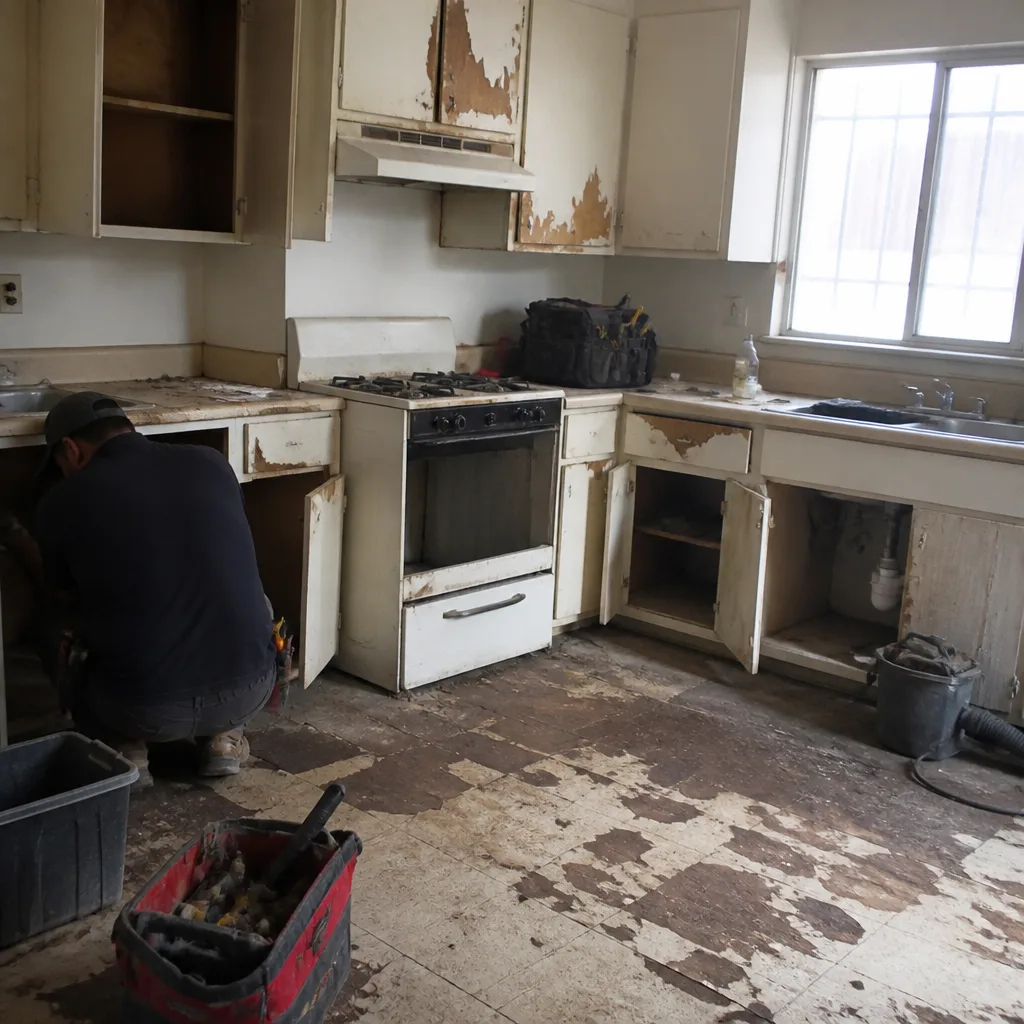 Before
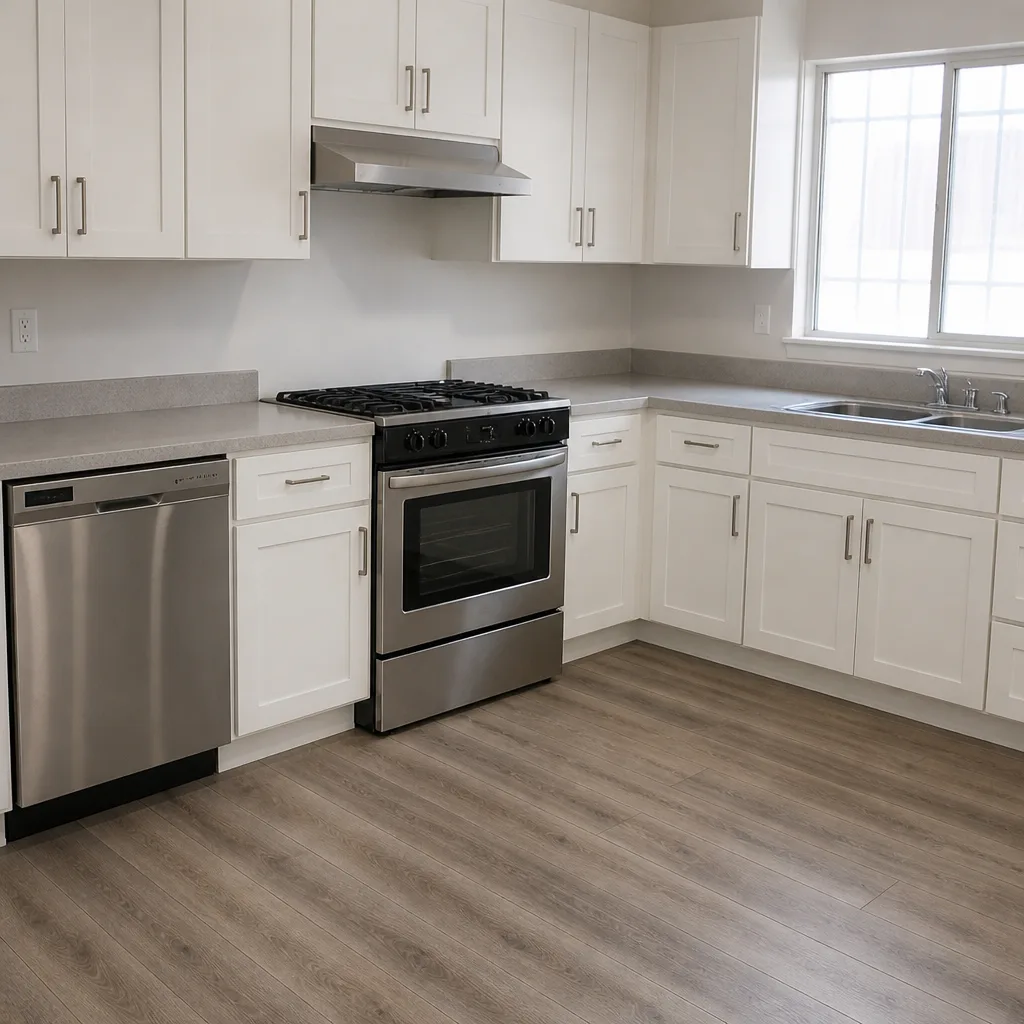 After
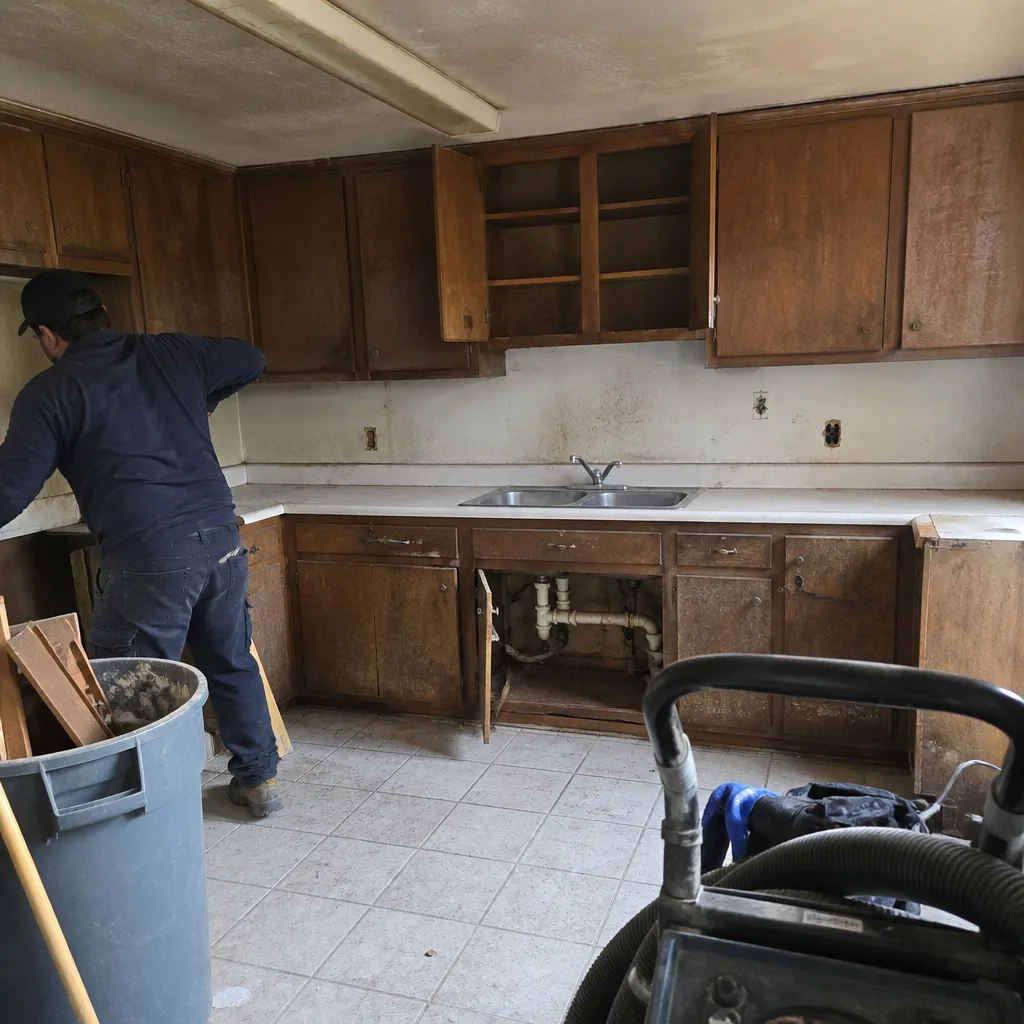 Before
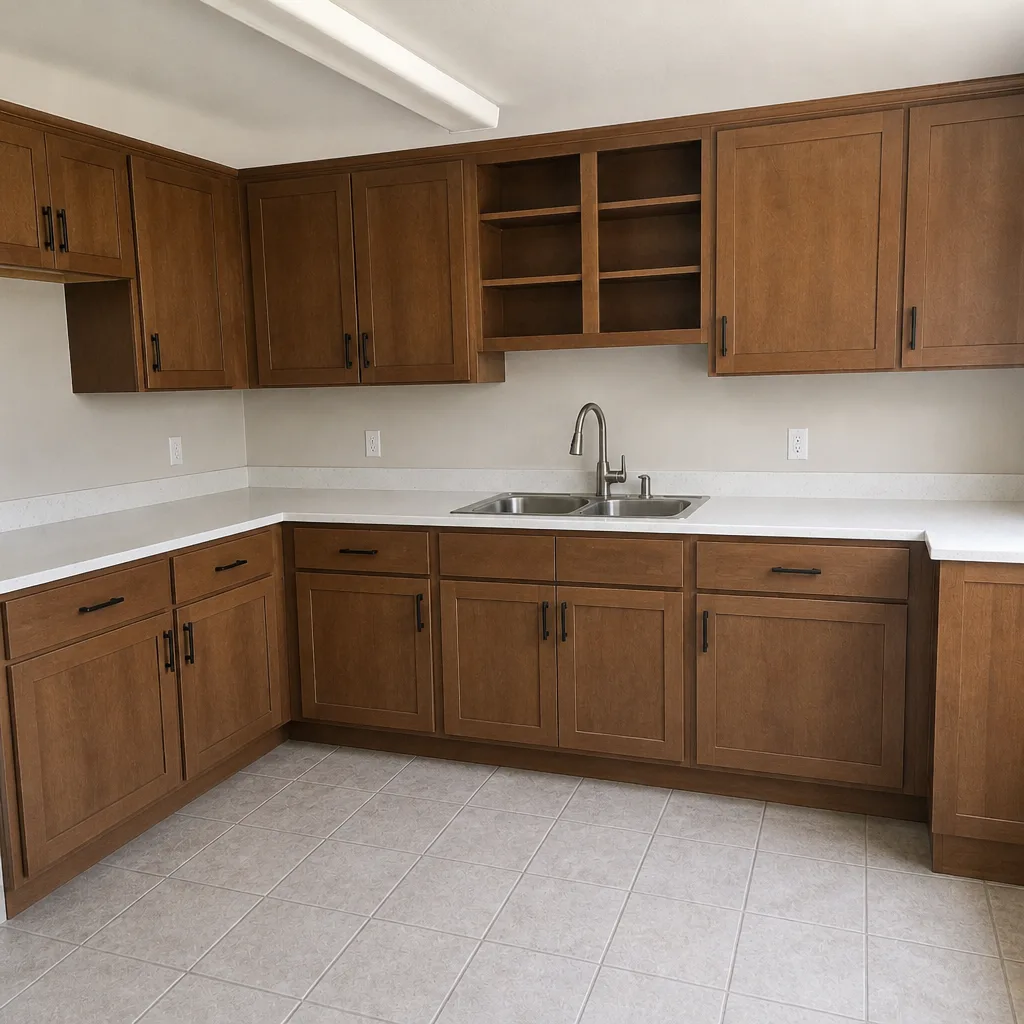 After
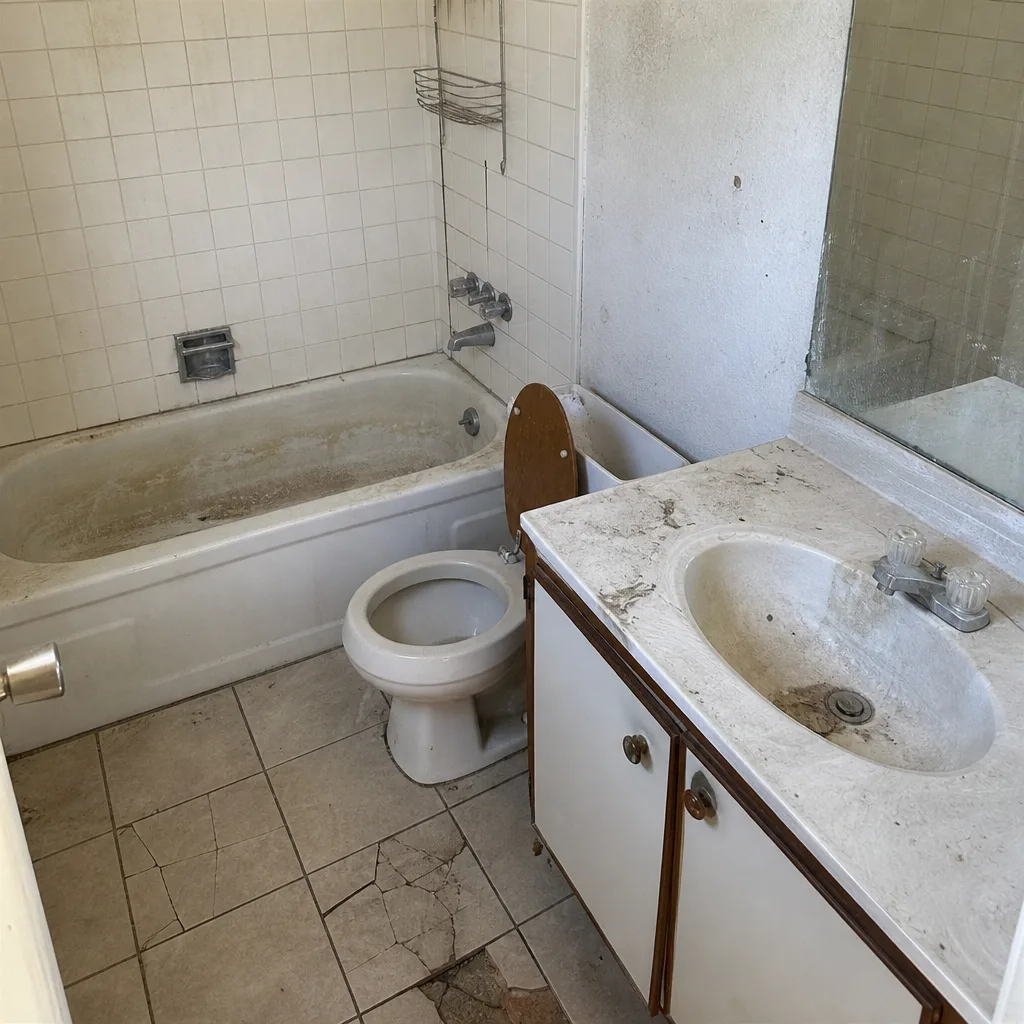 Before
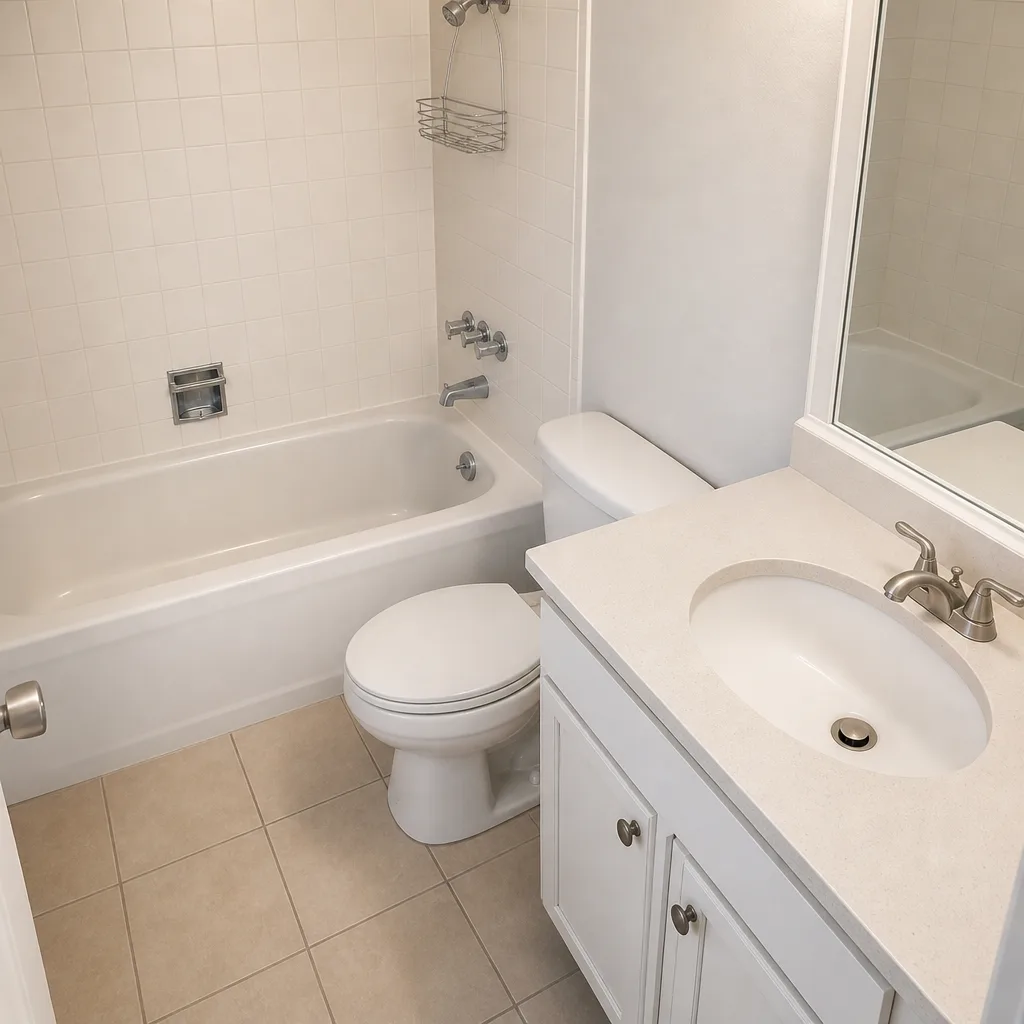 After
When to Call a Professional
Call a licensed professional when the problem crosses into three zones: structural or safety work (load-bearing walls, framing corrections, electrical panel changes, gas lines), permit-required work that an unlicensed handyman can’t legally touch, or any project where the contractor has stopped showing up and the site needs to be secured and taken over. In North Las Vegas, takeover projects are common mid-year, and they need an honest scope assessment before anything else. Sawyer Remodel North Las Vegas offers free estimates for takeover assessments, remediations, and full renovation restarts in North Las Vegas. Call (844) 834-9656 to get the walkthrough scheduled and a written price in hand before any work begins.
Frequently Asked Questions

Send one dated written message asking for the next confirmed date and a status update, giving 3 to 5 business days to reply. If there’s no response, request an accounting of completed work and materials in writing, and begin the Nevada State Contractors Board complaint process. Don’t let the silence drag past two weeks. Call (844) 834-9656 if you need a takeover estimate while you sort it out.
You can pause a scheduled draw only after written notice that states the defect, the contract language it violates, and the remedy you’re requesting. Withholding without notice can put you in breach, even if your complaint is valid. The written notice protects you, and it usually gets the fix moving faster than withholding alone.
File a written complaint with the NSCB, including your contract, all written communication, photos, and payment records. An investigator typically inspects the work and directs a remedy, which can range from correcting the work to a financial order up to the recovery fund limit, to action against the license. Timelines usually run weeks to a few months, not days.
Don’t authorize the work at the jobsite. Ask the sub to send a written statement of the scope gap to you and the GC the same day, and have the GC issue a signed change order with price and revised schedule before any additional work happens. This single habit prevents most mid-demo disputes in North Las Vegas remodels.
Common fixes range from around $300 for drywall repair after rework to $1,800 for framing corrections in older homes. A re-tiled shower floor section usually runs $650 to $1,400. For a specific number, call (844) 834-9656. Estimates are free, and you’ll get a written line-item price before any work starts.
Legitimate delays come with specific explanations (named weather events, named material backorders) and a new confirmed date. If you’re getting vague reasons and missed dates stacking up, ask for the crew roster, the next milestone date, and the active job count for the month. Call (844) 834-9656 if you want an independent read on the project status.
The Bottom Line
Nearly every remodeling problem starts as a communication gap, and nearly every fix starts with the same move: write it down, send it dated, and ask for a written response. When you’ve got that record, you can push for a correction, escalate to the Nevada State Contractors Board, or exit cleanly with your money protected. The homeowners who come out ahead on a North Las Vegas remodel aren’t the ones who argue hardest. They’re the ones who ask for the price in writing, get updates they can actually see, and know exactly when to call a professional. When you need a fresh set of eyes on a stalled project, call (844) 834-9656 to schedule a free estimate.
Written by the team at Sawyer Remodel North Las Vegas.